Last updated November 25, 2026
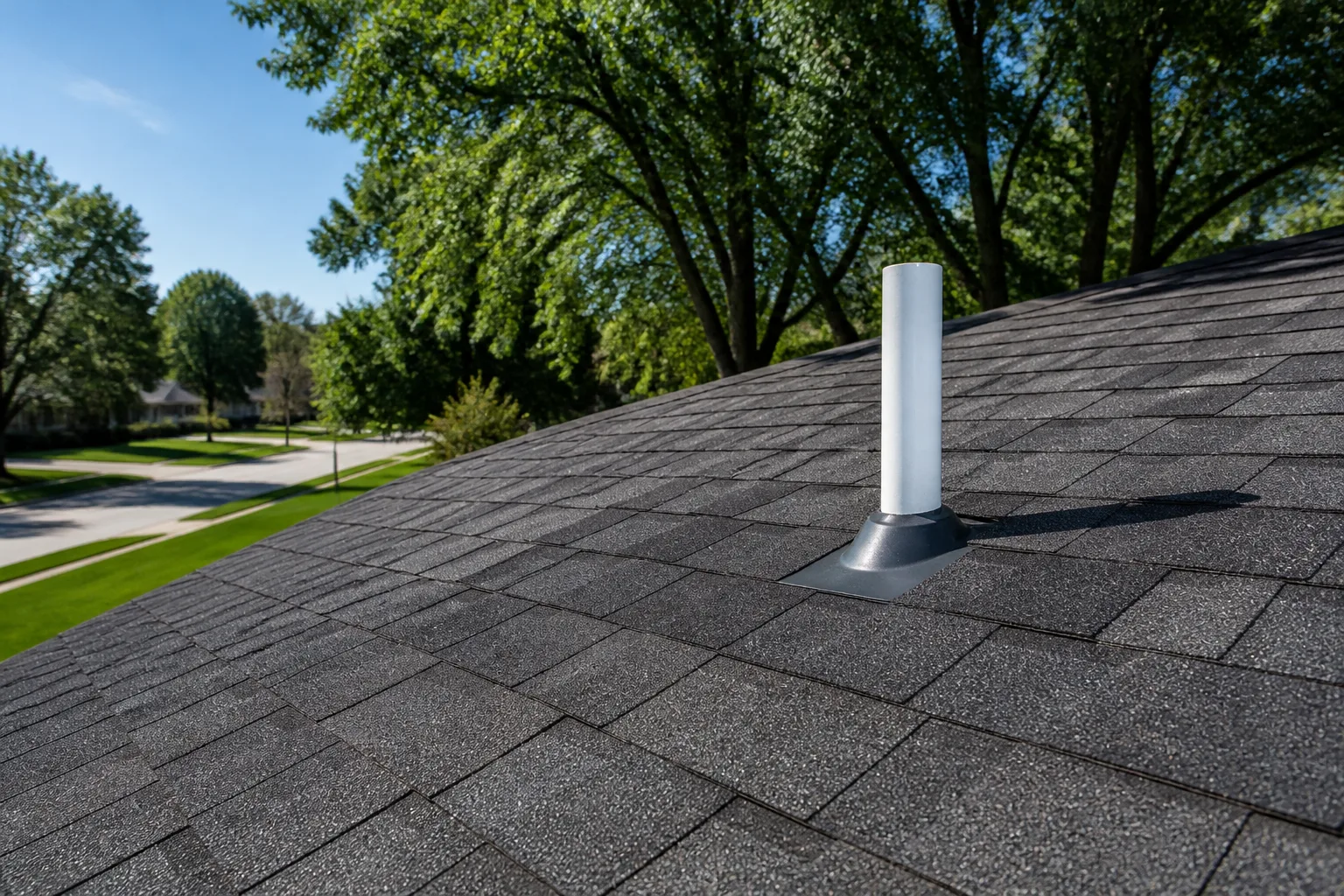
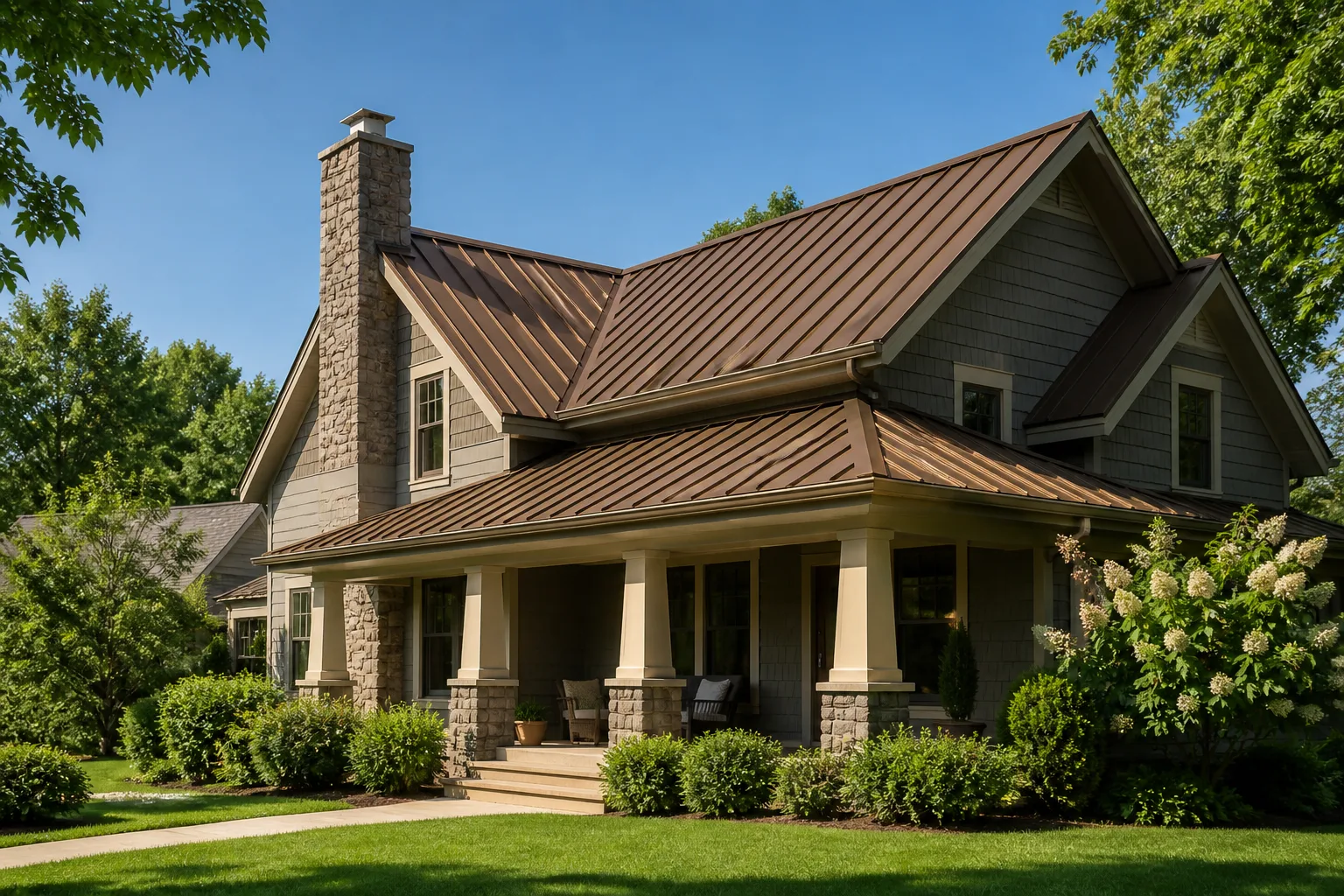
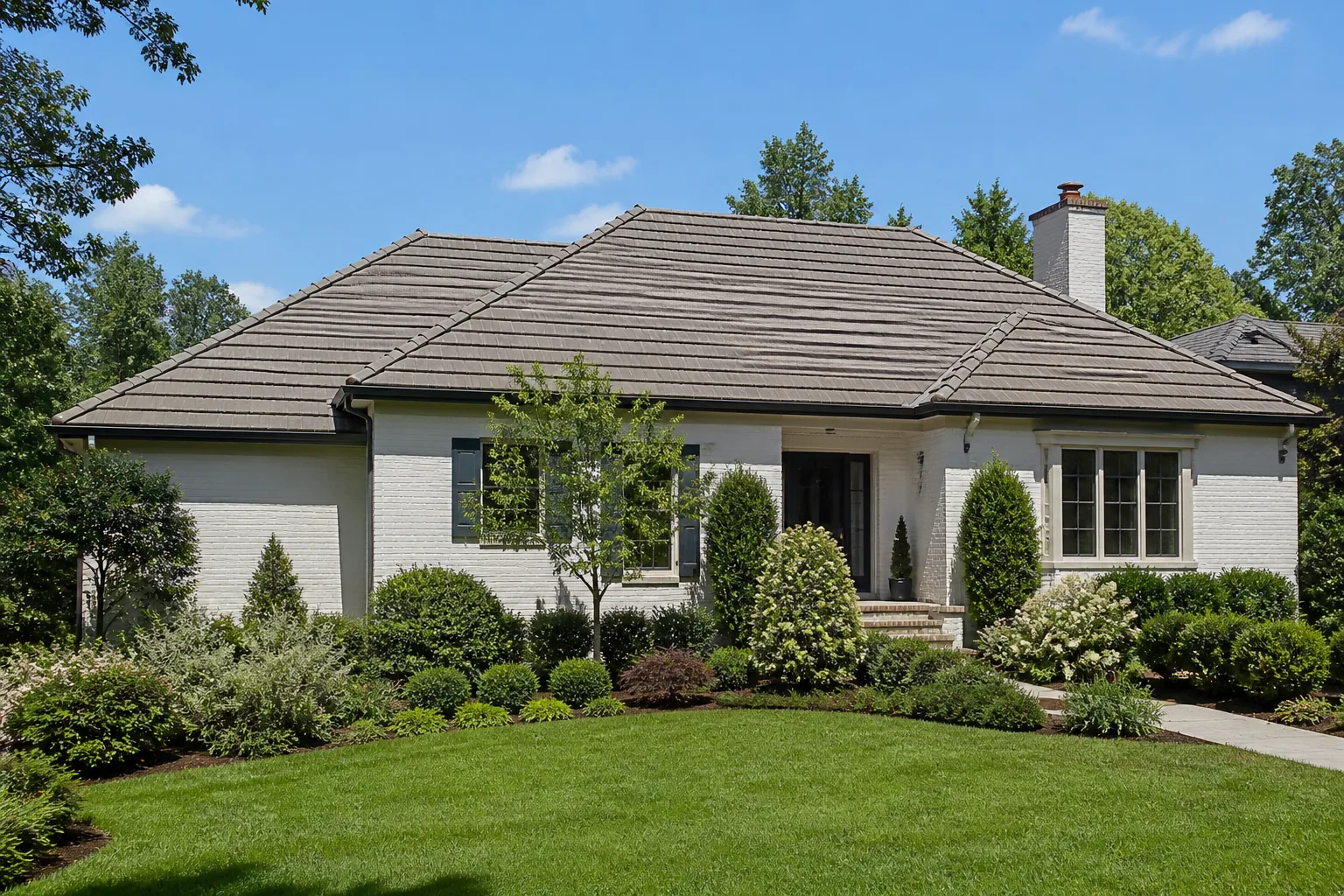
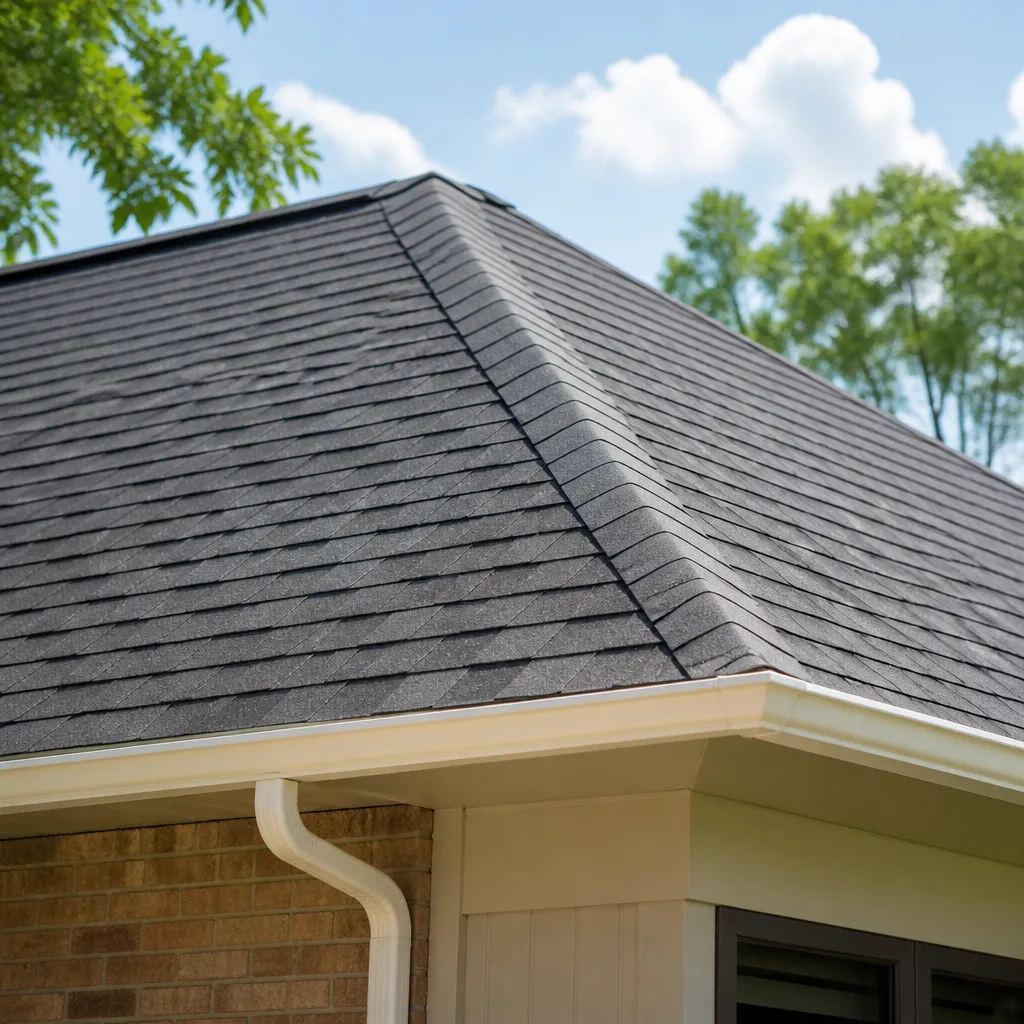
Free roof inspection with deck photos before we talk money - GAF and Owens Corning certified installation
Roofing Permits, Codes & Inspections in Tacoma, WA: What You Need to Know
Most homeowners assume a roof is a roof: tear the old one off, nail the new one down, done. The permit part feels like paperwork nobody will ever look at again. That assumption causes real trouble in Tacoma, because the permit question is not a formality – it is tied to your title, your insurance, and how the work is inspected when it matters. In this guide we’ll walk through the actual permit triggers in Pierce County, what the Tacoma Building Department inspection sequence looks like, how Washington’s energy code reaches into a re-roof, and who is legally on the hook for pulling the permit in the first place.
Quick Answer
In Tacoma and the rest of Pierce County, most roof replacements and roof overlays require a building permit, while minor repairs of a small area often do not – but the scope threshold matters and you should confirm it with the city’s building department before work starts. Roofing work is inspected in stages, and re-roofs must also meet Washington State Energy Code ventilation and insulation requirements. An unpermitted roof can surface later as a title problem or a homeowner’s insurance complication.
Styles & brands we work with
- Architectural shingles
- Metal roofing
- Tile roofing
- GAF
- Owens Corning
- Flat & low-slope
Table of Contents
- What Triggers a Roofing Permit in Tacoma and Pierce County?
- The Tacoma Building Department Inspection Sequence, Step by Step
- How Washington’s Energy Code Affects Your Re-Roof
- Unpermitted Roofing: The Insurance and Title Problem
- Who Is Legally Responsible for the Permit?
- Repair, Overlay, or Full Replacement: Which One Do You Actually Need?
- Do Different Roofing Materials Change the Permit Rules?
- Common Mistakes to Avoid
What Triggers a Roofing Permit in Tacoma and Pierce County?
Broadly: a permit is triggered when the work goes beyond routine maintenance or a small repair. The three most common scopes in Tacoma – a patch repair, an overlay, and a full tear-off replacement – sit at different points on that spectrum.
Scope thresholds, roughly
- Small repairs: Replacing a handful of shingles, patching a leak at a vent boot, or fixing flashing around a chimney is often treated as maintenance, and many jurisdictions don’t require a permit. Confirm with the city before assuming.
- Larger repairs and partial replacements: Once you’re tearing off sheathing, replacing decking, or re-roofing a substantial area of the house, permit requirements kick in more often than not.
- Overlays: Installing a new layer of shingles over an existing one is still a roofing project in most jurisdictions, and usually requires a permit. Some also limit how many layers are allowed.
- Full replacement: Tear-off and replacement of the full roof almost always requires a permit, and it’s the scope where skipping one causes the biggest downstream problems.
- Structural changes: Changing roof pitch, framing, or adding dormers or skylights adds a structural review to the permit.
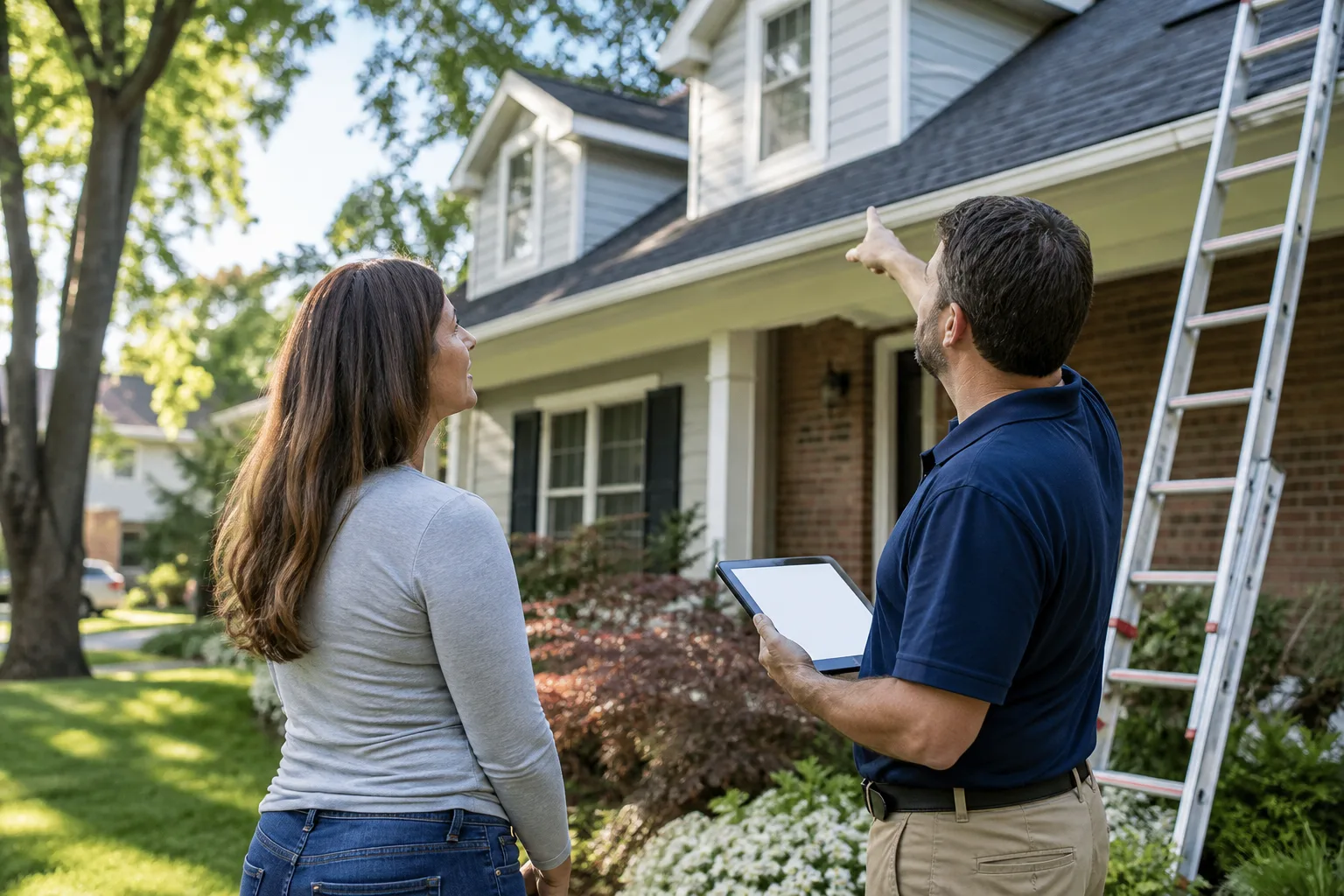
The exact line varies. The safest rule for a Tacoma homeowner is to ask the Tacoma Building Department directly, in writing, before work starts. It costs nothing and answers the question definitively for your address and your scope. A licensed contractor will already know where that line sits for your project. When we quote a roof replacement, the permit is part of the conversation at the estimate stage, not after the dumpster shows up.
One more thing: permits are tied to the address, not the contractor’s memory. If you’ve owned your Tacoma home for a while, it’s worth checking the city’s permit history before you buy or sell. Roofs that were done years ago without permits are common, and the record is the only way to know.
The Tacoma Building Department Inspection Sequence, Step by Step
The inspection sequence for a Tacoma re-roof follows a predictable order. It’s worth understanding because it dictates when the contractor schedules inspections and when you can expect the roof to be “closed up” and the job finished.
- Permit application and plan review. The contractor submits the scope and product specs. The city reviews for code compliance, and for re-roofs the product listing and installation method usually come up here.
- Permit issued. Work cannot legally start until the permit is issued and the inspection card is on site.
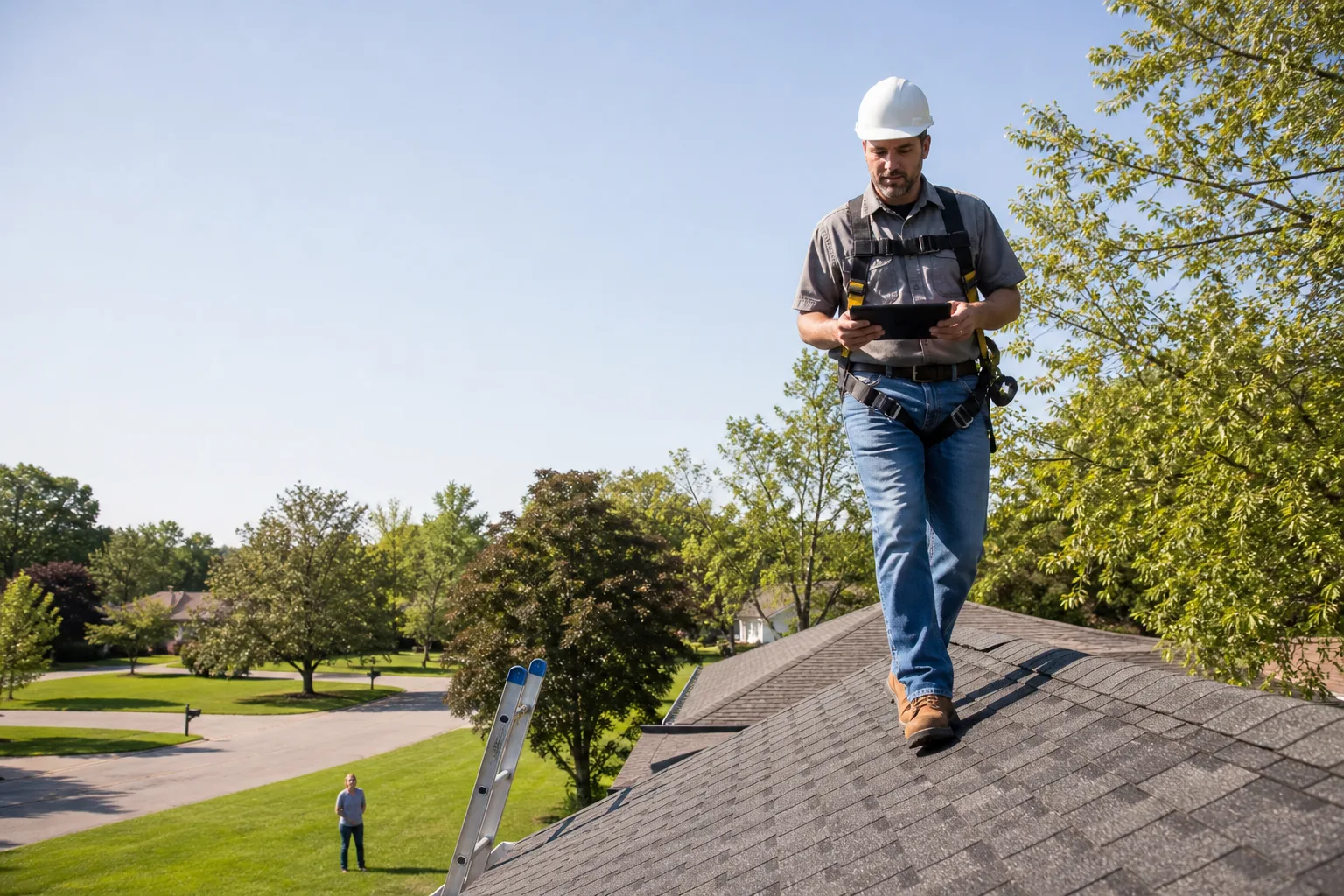
- Tear-off and deck inspection. This is the first physical inspection. The inspector checks that the old roof is fully removed, that the sheathing underneath is sound, and that any rotted decking has been replaced. This stage is not skippable – if the deck is covered before it’s inspected, it’s a problem for the contractor.
- Underlayment and flashing inspection (sometimes combined). Depending on the jurisdiction and the product, the inspector may want to see the underlayment, ice and water shield at the eaves and valleys, and flashing at penetrations and walls before the finished roofing goes on.
- Final inspection. Once the roof is complete, the inspector verifies the finished install against the approved scope. Ventilation, flashing details, and the finished surface are all part of this pass.
The exact inspection points vary by material and by the scope on the permit. If your contractor tells you there’s only one inspection, ask them to confirm with the city for your project. The Tacoma Building Department is the authority on the sequence for your address.
What the inspector is actually looking for
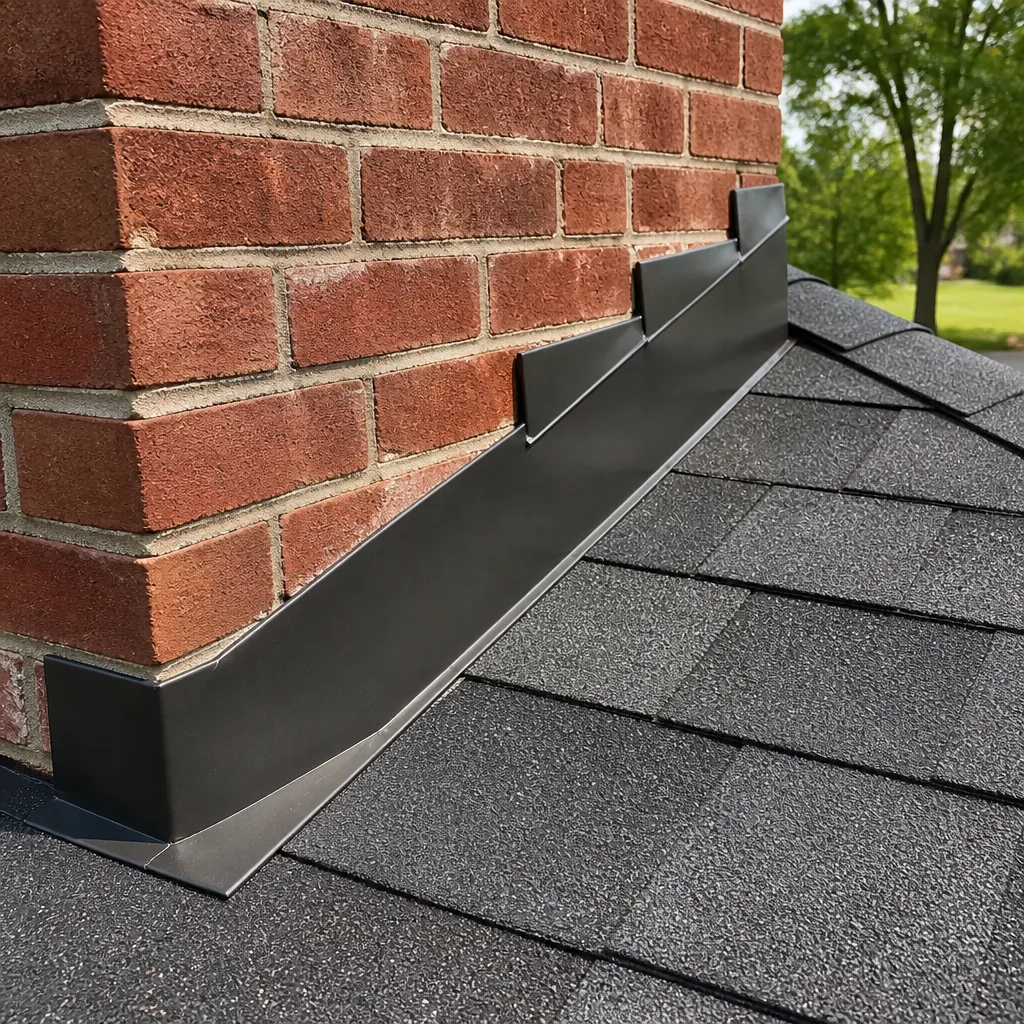
At the deck inspection, it’s the condition of the sheathing. At the finished inspection, it’s the details: is the flashing correct at the chimney, do the valleys terminate correctly, are the penetration boots installed as the manufacturer specifies. The inspector isn’t grading the aesthetic. They’re checking that the assembly will perform. A crew that’s done this many times knows what the inspector looks for and builds to that standard without being told.
How Washington’s Energy Code Affects Your Re-Roof
This is the code item most homeowners never hear about until a permit review flags it. Washington’s energy code reaches into re-roofing because the roof assembly is the boundary between your heated space and the outside. On a full replacement, the permit review frequently looks at two things alongside the roofing itself:
- Attic insulation levels. If your attic insulation is below code minimum, some jurisdictions require that it be brought up to current standards as part of the re-roof scope. The logic is straightforward: the roof is open, the work is cheap relative to doing it later, nobody wants to do it twice.
- Ventilation. Roof deck ventilation is a code item independent of insulation, and it’s checked as part of the assembly. Intake at the eaves and exhaust at or near the ridge needs to be balanced, and that balance is calculated – not guessed. Over-ventilating without enough intake or under-ventilating in a Pacific Northwest attic both cause problems, typically condensation and moisture in the sheathing years later.
In our experience, the ventilation conversation is where Tacoma homeowners get surprised. The old roof “worked fine” but a close look at the venting shows it didn’t have the intake it needed, or the exhaust was undersized for the attic volume. When a new roof goes on with the same undersized venting, the problem comes back – but now it’s under a fresh, expensive roof. Fixing it during the install adds little to the project cost. Fixing it after the fact means pulling shingles.
The right time to sort this out is at the estimate. A roofing contractor who is worth the call will walk the attic, count the vents, measure the insulation depth, and write the ventilation scope into the estimate – not leave it as an “add-on” if the inspector catches it. Tacoma’s climate wants a balanced assembly, and the energy code is the reason for it.
Unpermitted Roofing: The Insurance and Title Problem
Here’s the part that surprises people. An unpermitted roof doesn’t usually cause problems while it’s on the house. It causes problems when the house changes hands, or when a homeowner needs their insurance to do the one thing they’ve been paying premiums for.
Where it surfaces: title and escrow
When a Tacoma home is sold, the title company runs a permit history on the property as part of the transaction. If a roof was replaced without a permit, or a permit was opened and never closed out with a final inspection, that shows up. Depending on how the transaction is structured, the seller may be asked to provide documentation, to obtain a retroactive permit, or to negotiate a credit. It can be a headache at the worst possible moment – during escrow, when both sides are motivated to close but no one can move without the paperwork.
Where it surfaces: homeowner’s insurance
Homeowner’s insurance carriers care about the roof for two reasons. First, a roof is the most common claim on a home, so the carrier wants to know that the roof is in insurable condition. Second, in some cases, an unpermitted roof is outside the scope of what the policy treats as a compliant structure. Carriers vary in how strictly they apply this, and we are not insurance professionals – the point is that the question exists, and it surfaces at a moment when the homeowner has the least leverage to fix it.
The clean answer is simple: if the work requires a permit in Tacoma, get the permit, get the inspections, and keep the paperwork. It’s not about the inspector; it’s about your position when you sell, when you claim, or when a buyer’s carrier asks for the record.
Who Is Legally Responsible for the Permit?
Washington law makes the property owner responsible for the permit on work done at their address. The contractor can pull the permit on the owner’s behalf – and in most residential work, that’s how it’s done – but the owner is who the city holds accountable if something goes wrong.
This is why the question “who pulls the permit?” during a Tacoma roofing estimate is not a technicality. It’s a signal. When a contractor insists the homeowner pull the permit themselves, there are a few possible reasons:
- The contractor isn’t properly licensed to do the scope in question.
- The contractor doesn’t want the address on their permit record.
- The contractor is simply trying to stay out of the inspection process.
None of those are good reasons for the homeowner to take on that role. A licensed roofing contractor who regularly works in Tacoma should be the one on the permit application – it’s their scope, their installation method, and their crew. The right answer to “who pulls the permit?” is: the licensed contractor, on the homeowner’s behalf, with the homeowner named on the record. That’s how we do it, and it’s one contract, one set of inspections, and one warranty conversation at the end.
What that means for you
When you sign a roofing contract in Tacoma, confirm two things in writing: (1) the permit is pulled before work starts, and (2) the final inspection is completed and documented. The permit number and the inspection record are the proof. Without them, you’re taking the contractor’s word – and the city’s records say otherwise. The local pro we connect you with is licensed and insured as Washington requires; that’s the baseline, and pulling the permit is part of what a properly licensed contractor does.
Repair, Overlay, or Full Replacement: Which One Do You Actually Need?
Deciding between a repair, an overlay, and a replacement isn’t just a budget call. The scope you choose determines the permit requirement, the inspection sequence, and how much of your energy code obligation comes into play. It’s worth understanding what each one actually involves before you ask a contractor “what will this cost?”
The three scopes explained
- Repair. Fixes a specific issue – a leak at a penetration, damaged flashing, a wind-lifted section. Small repairs are the least likely to require a permit, and the cheapest, but they only make sense if the roof beneath the repair area is sound and has life left in it. A patch on a 20-year-old failing roof buys months, not years.
- Overlay. Installs a new layer of shingles over the existing one. It saves money on tear-off and disposal, and some homeowners prefer it for a shorter job timeline. But an overlay doesn’t let anybody inspect the sheathing underneath, doesn’t address any existing moisture problems, usually requires a permit anyway, and many jurisdictions cap the number of layers allowed. It also means whoever re-roofs next time has to tear off two layers. In our experience, when the overlay math is compared honestly against a tear-off, the savings are smaller than they look – and the trade-offs are bigger.
- Full replacement. Full tear-off, deck inspection, any sheathing rot repaired, new underlayment and flashing, new roof. It’s the largest scope and the largest permit obligation, and the only one that lets the entire assembly be verified before the new roof covers everything.
How to decide
How do you know which one your Tacoma home needs? The honest answer depends on the roof’s age, its current condition, the condition of the decking underneath, and how long you plan to stay in the house. A new new roof installation on new construction is a simpler call – there’s no existing roof to tear off – but the permit and inspection obligations still apply, and the material choices deserve the same careful look.
The good news is that a real estimate will tell you. A contractor who walks the roof, checks the attic, and looks at the sheathing from underneath can tell you within a couple of years which scope you’re facing and where the deck is likely to need repair. That conversation is the one worth having before you commit to a scope. If a contractor quotes you a full replacement without walking the roof, or quotes an overlay without talking about the layers underneath, the estimate is a guess.
Do Different Roofing Materials Change the Permit Rules?
Yes, in a few ways that matter. The permit application includes the product and the installation method, and different materials bring different review considerations. In Tacoma, the three categories we install are asphalt shingle, tile, and metal, and each interacts with the permit and inspection process a little differently.
- Asphalt shingle. The most common re-roof in Tacoma, and the most familiar to the permitting and inspection process. The inspector’s checklist – deck condition, underlayment, flashing, ventilation – is the standard one. Brand selection here is broad, from CertainTeed to Atlas, and the brand choice affects warranty more than the permit itself.
- Tile. Heavier, and the structural review at permit time takes the additional roof load into account. Installation method is specific, and the inspection items will include how the tile is fastened and what supports it, not just what it looks like on the finished roof.
- Metal. Panel profiles vary widely, and the permit application has to name the system and the manufacturer’s installation standard. Fastening, seam treatment at penetrations, and how the panels interface with the flashings are all inspection points.
One point worth making clearly: material choice doesn’t change whether you need a permit. A full tear-off and replacement in Tacoma is a permit project whether the new roof is shingle, tile, or metal. What it changes is the review and inspection detail. That’s one reason we carry all three – the recommendation should follow from the structure and the goals, not from whatever material a single contractor happens to push. We carry seven brands – GAF, CertainTeed, Owens Corning, IKO, Atlas, Tamko, and Boral – so the conversation is about which roof fits your home, not which roof fits the contractor’s inventory.
If you’re comparing materials, the option most Tacoma homeowners start with is shingle roofing, because it has the widest range of grades, the most warranty options, and the most predictable permit and inspection path. From there, comparing tile and metal is an honest trade-off conversation: cost, weight, lifespan, and what the rest of the neighborhood has done. All of it is a decision you get to make, not one that gets made for you.
Common Mistakes to Avoid
- Skipping the permit to save time or money. The permit is the cheapest part of the job and the most expensive part to skip. The title and insurance issues that surface from unpermitted work almost always cost more to resolve than the permit would have.
- Letting the contractor put the permit in the homeowner’s name without asking why. Some contractors push permit responsibility to the owner as a matter of course. If yours does, ask why before signing. It’s a signal.
- Covering the deck before the inspection. If the underlayment or sheathing gets covered before the inspector has a look, the job can be flagged. The right order is deck inspection, then cover.
- Ignoring ventilation during the re-roof. Reusing undersized venting on a new roof puts the same moisture problem under a new install. Tacoma’s wet winters make this the highest-frequency long-term issue we see. Fix it while the roof is open.
- Assuming the energy code doesn’t apply because the roof is being replaced. It does. Insulation and ventilation requirements are part of the re-roof scope in most Tacoma permit reviews, and the time to address them is during the install.
- Not closing out the permit. A permit that was opened and never finaled shows up in the title search. Make sure the final inspection is scheduled and passed before the final payment clears.
- Looking for the cheapest quote without asking about permits or details. A quote that skips the permit usually skips other things too – ventilation, flashing details, sheathing repair. What looks like a lower price often means a narrower scope.
See the difference
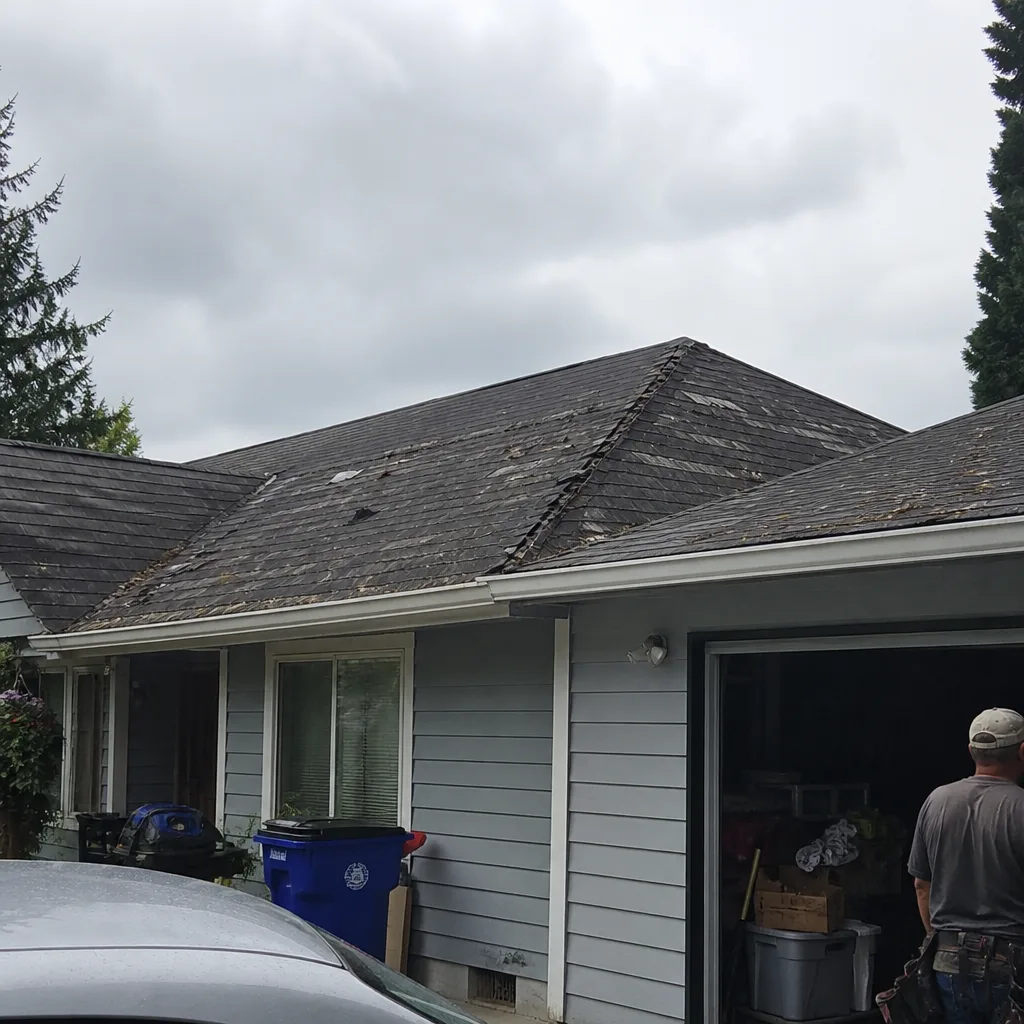 Before
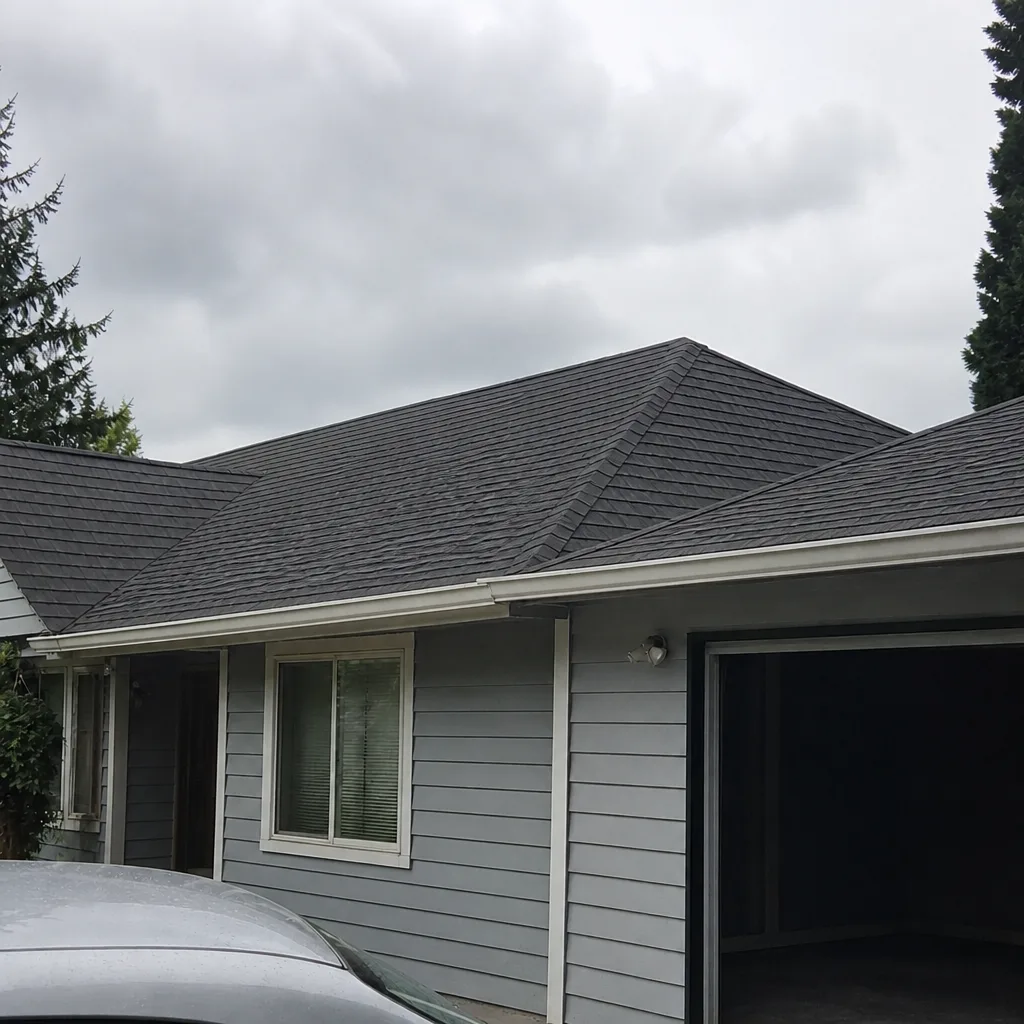 After
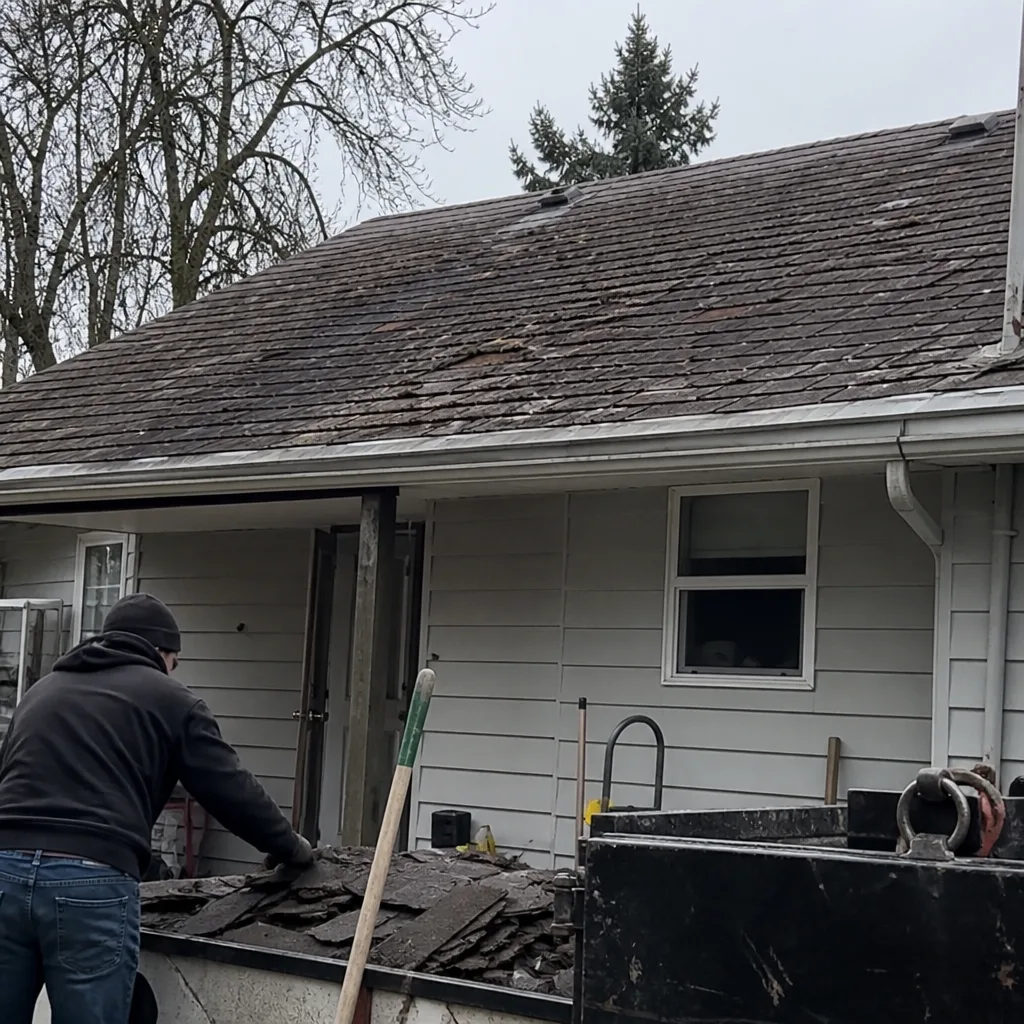 Before
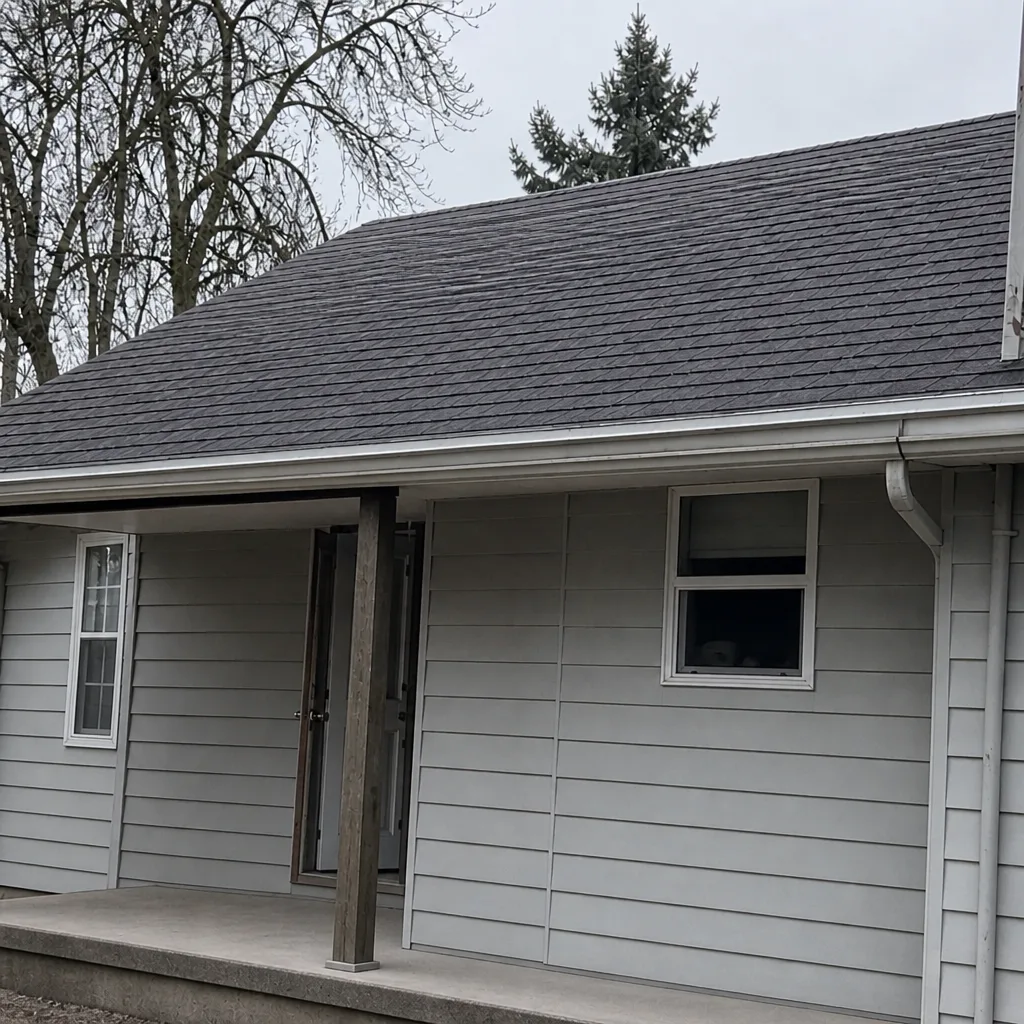 After
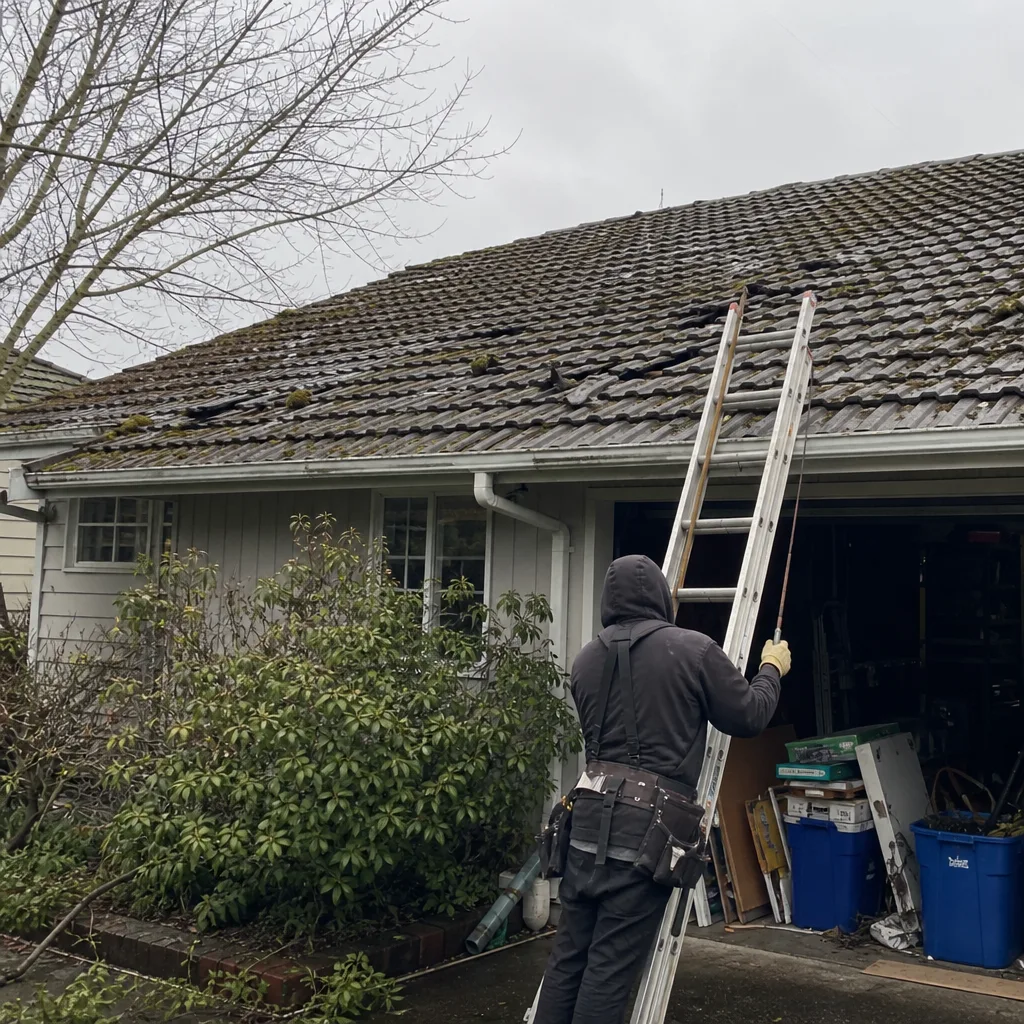 Before
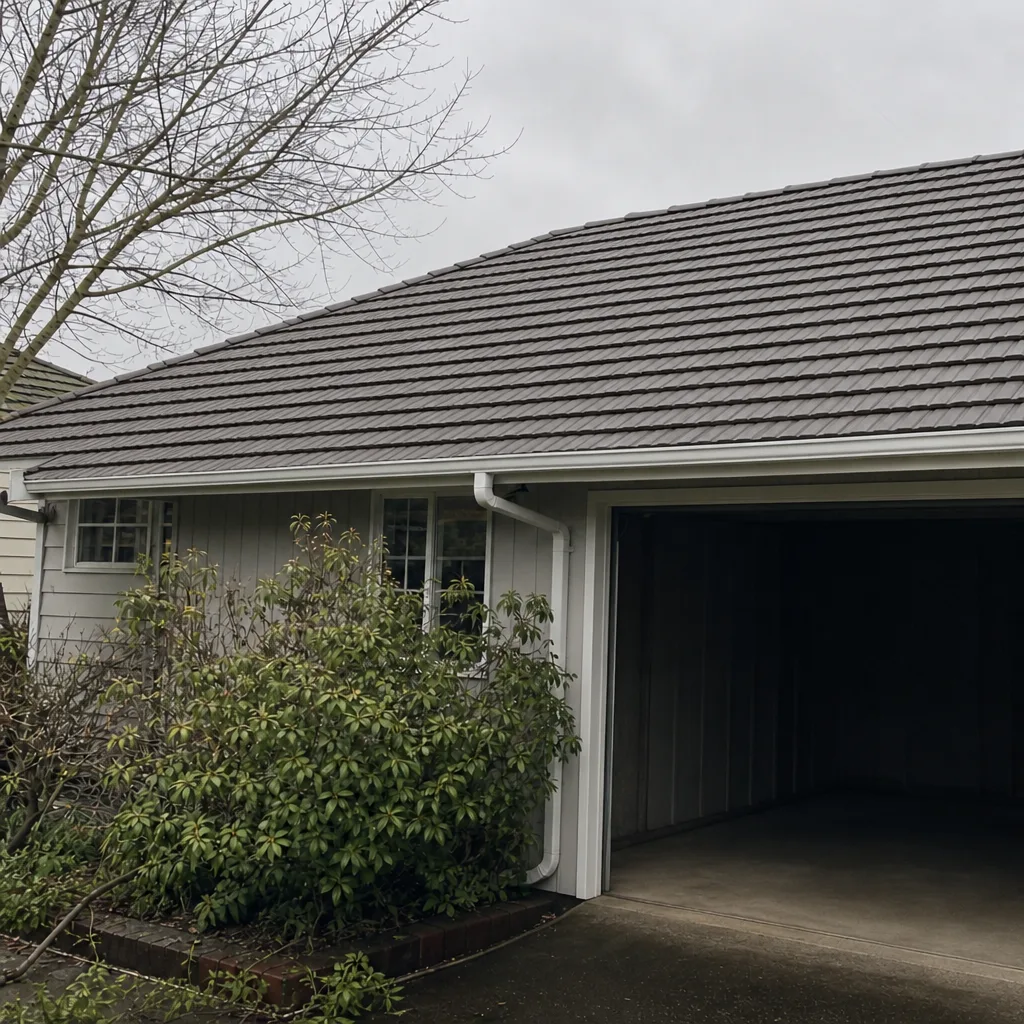 After
When to Call a Professional
A roof is the kind of work where the safety concerns are real and the scope questions are more than a homeowner can answer from the ground. Call a professional if any of these apply: you’re missing shingles or seeing granules in the gutters; a leak is showing up in the attic or on a ceiling; a section of the roof is sagging or feels soft from underneath; the roof is past its service life and you’re not sure what to do next; or you’re planning a sale or a purchase and the permit history is unclear. The work involves heights, and the finished assembly has to be right on the first pass – it’s a trained-trades job, not a homeowner project. Tacoma Roofing Co offers free estimates in Tacoma – call (253) 295-5163. We answer 24/7. Fast dispatch from 7am to 7pm, Sunday through Friday.
Frequently Asked Questions
Usually yes – most full roof replacements and overlays in Tacoma and the rest of Pierce County require a building permit, though small repair scopes often do not. The exact threshold depends on the scope and the jurisdiction, so confirm with the Tacoma Building Department before work starts. Call (253) 295-5163 for an exact quote – estimates are free.
Permit fees in Pierce County are set by the jurisdiction and are typically a small fraction of the total roof cost, but we don’t quote a fee we haven’t confirmed. The permit is included in the written estimate, so you see it as a line item rather than a surprise. Call (253) 295-5163 for a free estimate.
A typical Tacoma re-roof includes a deck inspection after tear-off, a possible underlayment and flashing inspection, and a final inspection once the roof is complete. The exact points on your project depend on the scope and the material, and the Tacoma Building Department is the authority. The local pro is licensed and insured as Washington requires, and pulling the permit and scheduling the inspections is part of the job. Call (253) 295-5163.
The property owner is legally responsible for work done at their address, and some homeowners pull the permit themselves – but on a full roof replacement this is not the right arrangement. The scope, the installation method, and the crew are the contractor’s, so the contractor should be on the permit. If yours insists otherwise, ask why. Call (253) 295-5163 for a free estimate on a properly permitted project.
It can. A permit history is part of the title search in a sale, and homeowner’s insurance carriers vary in how they treat unpermitted work – both are places where a missing permit can surface at the worst moment. The fix is to have the permit record clean before you need it. Call (253) 295-5163 and we’ll walk you through what your project requires.
Yes, and it’s the most commonly missed code item on a Tacoma re-roof. The energy code reaches into attic insulation and roof ventilation, and permit reviews often look at both alongside the roofing scope. Fixing those during the install adds little cost; fixing them later means pulling shingles. Call (253) 295-5163 for an estimate that addresses the full assembly.
Most residential re-roofs in Tacoma take a few days from tear-off to final inspection, but the timeline depends on the size, the pitch, the material, and whether the deck needs repair once it’s exposed. The schedule and the scope are written into the estimate before work starts. Call (253) 295-5163 for a free estimate.
Not if the scope was estimated properly. A written line-item estimate accounts for the deck condition, ventilation, permit, and material before the first shingle comes off. If hidden rot shows up once the deck is exposed, that’s the one place a change order is legitimate – and a good contractor will document it before doing the work. Call (253) 295-5163 for a written estimate.
The Bottom Line
The permit question in Tacoma is not a formality and not a way to save a few hundred dollars on a roofing project. It’s the record that protects your title when you sell, your insurance position when you claim, and the process that gets your ventilation and energy code requirements sorted while the roof is open. If your roof is a full replacement or overlay, expect a permit and inspections; if it’s a small repair, ask the city to confirm. Pull the permit before work starts, close it out with a final inspection, and keep the paperwork. Seven brands and three material types under one contract means the conversation is about your roof, not a contractor’s inventory. Written by the team at Tacoma Roofing Co.
If you’re ready to price a project or you’re not sure what scope you’re facing, call (253) 295-5163 for a free estimate. We answer 24/7. Fast dispatch from 7am to 7pm, Sunday through Friday. Learn more about our Tacoma Roofing Co approach to roofing, or call and we’ll walk through your options – shingle, tile, or metal – and the permit and inspection path that goes with each.