Last updated November 25, 2026
Free roof inspection with deck photos before we talk money - GAF and Owens Corning certified installation
The Complete Guide to Roofing in Tacoma
Most homeowners judge a roof by how it handles a downpour. In Tacoma, that’s the wrong test. We average around 38 inches of rain per year, but it’s the persistent low-level moisture – the damp that settles in for days and never quite dries – that degrades most roofs here ahead of schedule. Downpours sheet off fast. It’s the slow soak that rots a deck, feeds moss, and lifts a shingle edge before its time. A roof spec that performs well in Phoenix, or even in drier parts of the Northwest, can fail faster here than most homeowners expect. This guide walks through how Tacoma’s marine climate and older housing stock shape which materials actually work, and how to choose a roof that fits your structure rather than a contractor’s inventory.
Quick Answer
The right roof in Tacoma is the one that matches your home’s structure, pitch, and ventilation to a material built for persistent moisture, not just annual rainfall totals. Asphalt shingle is the most common choice for good reason, but tile and metal can outperform it on certain homes when the deck and pitch allow. A material recommendation should start with your structure and climate exposure, not with a single brand a contractor happens to stock.
Styles & brands we work with
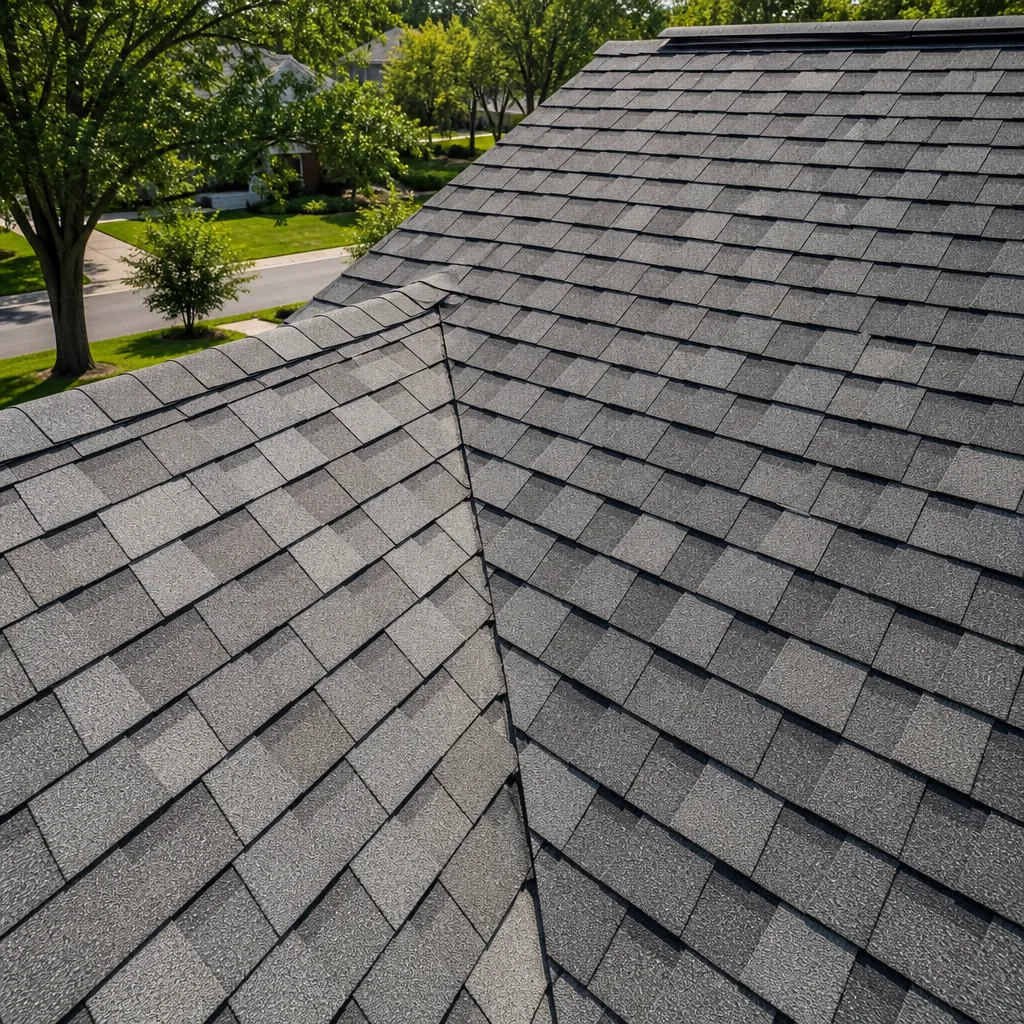
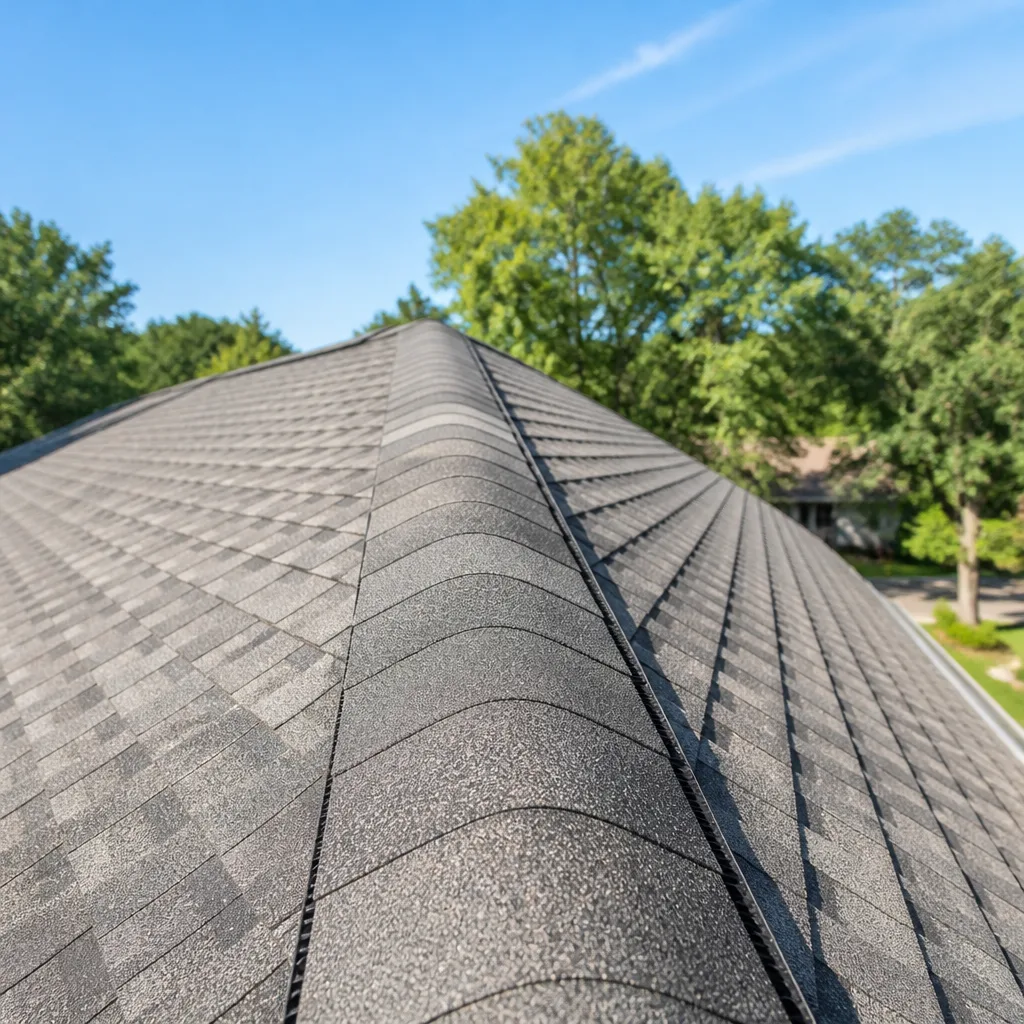
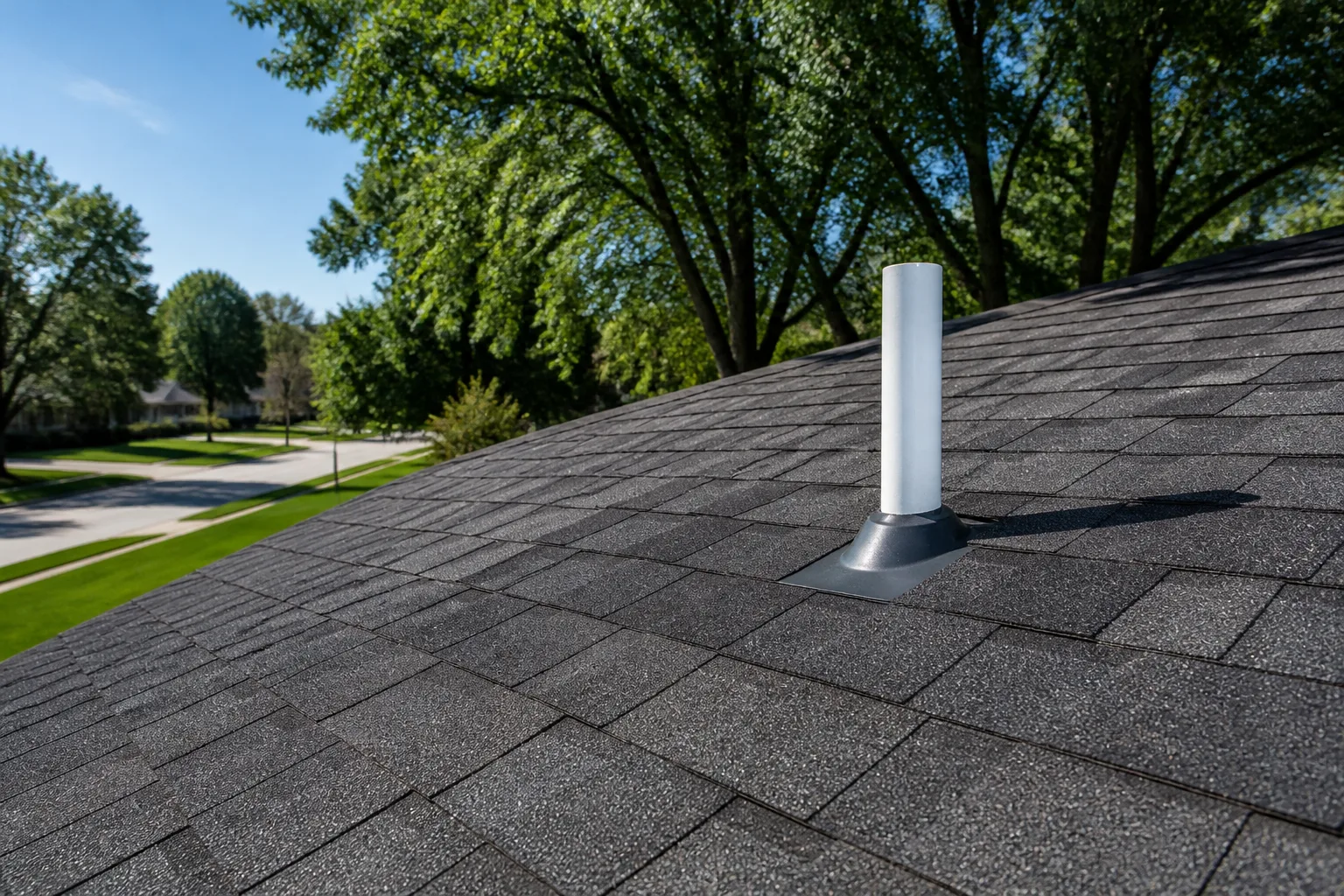
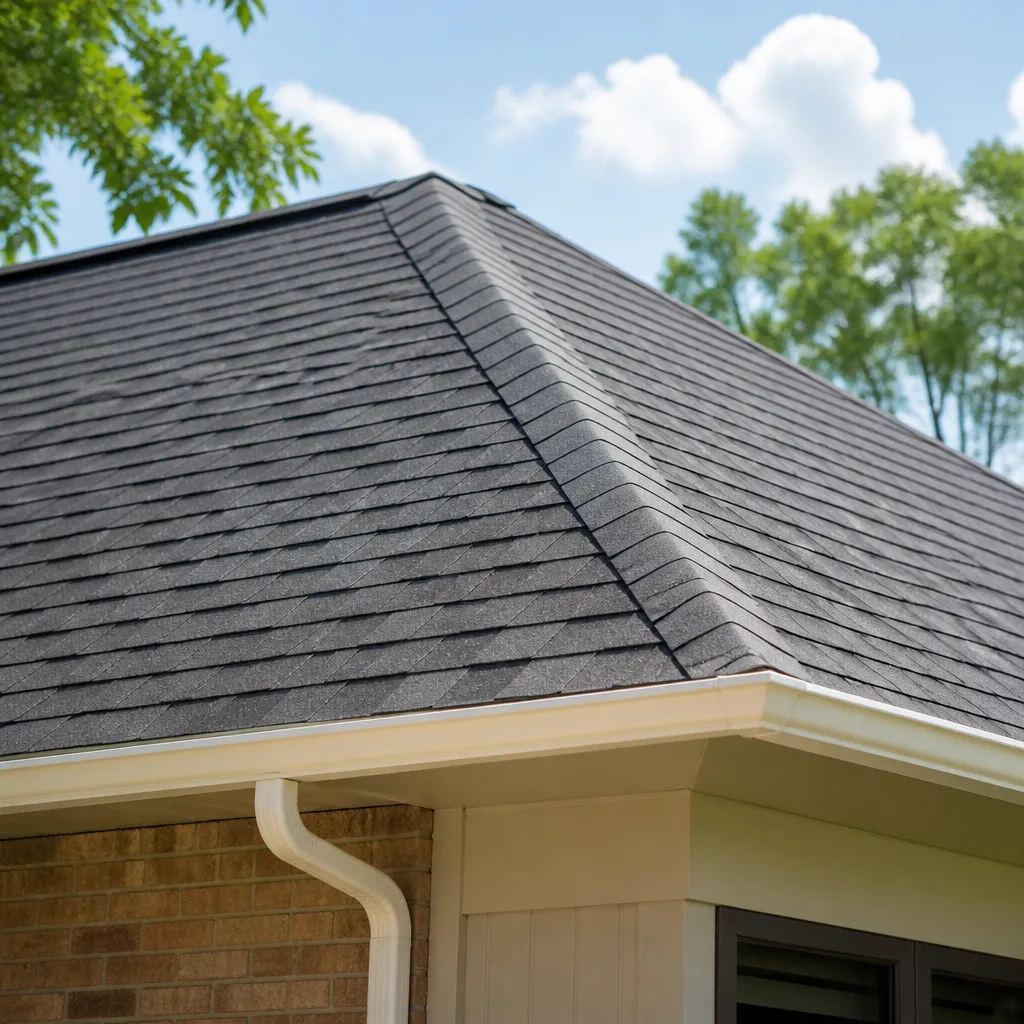
- Architectural shingles
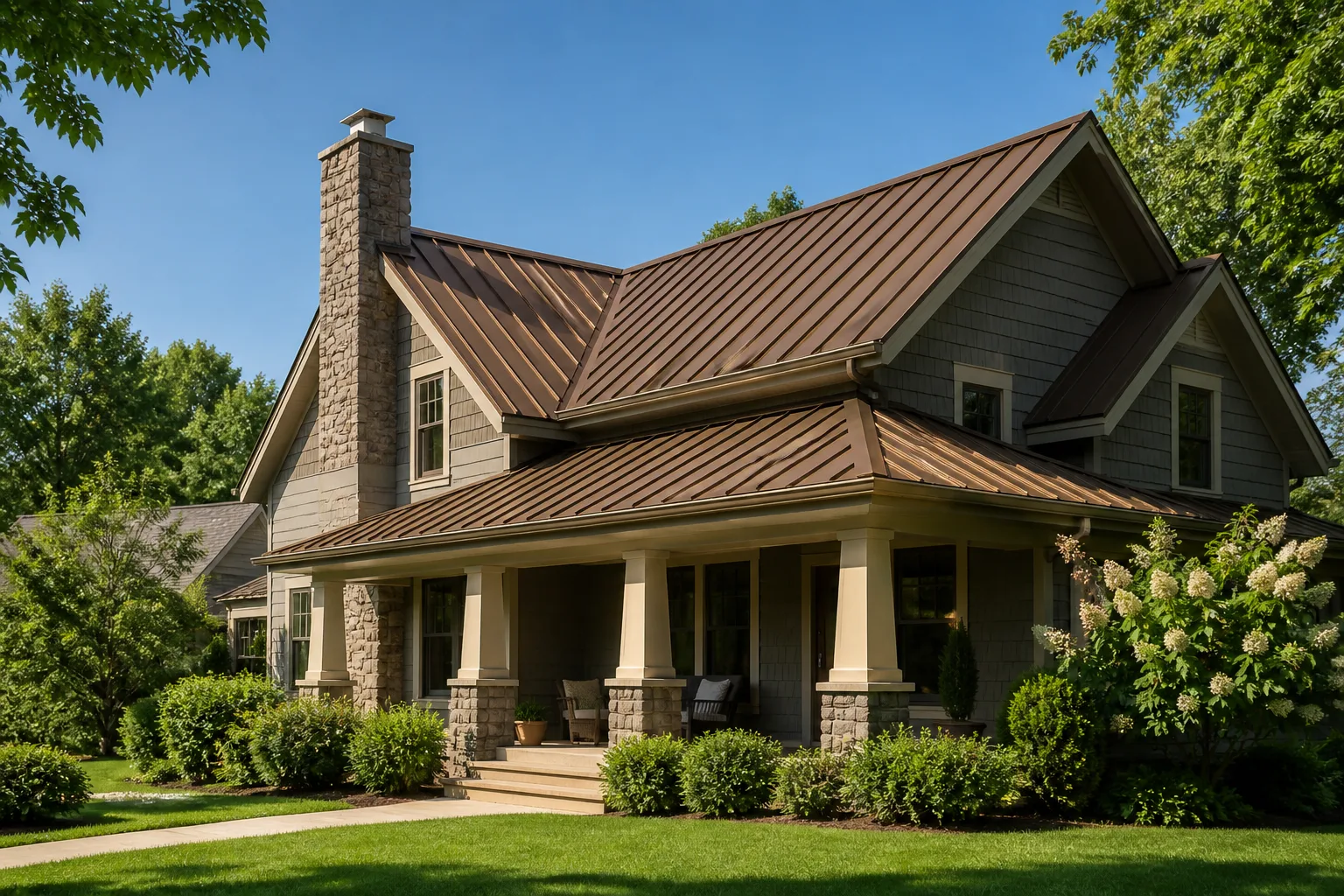
- Metal roofing
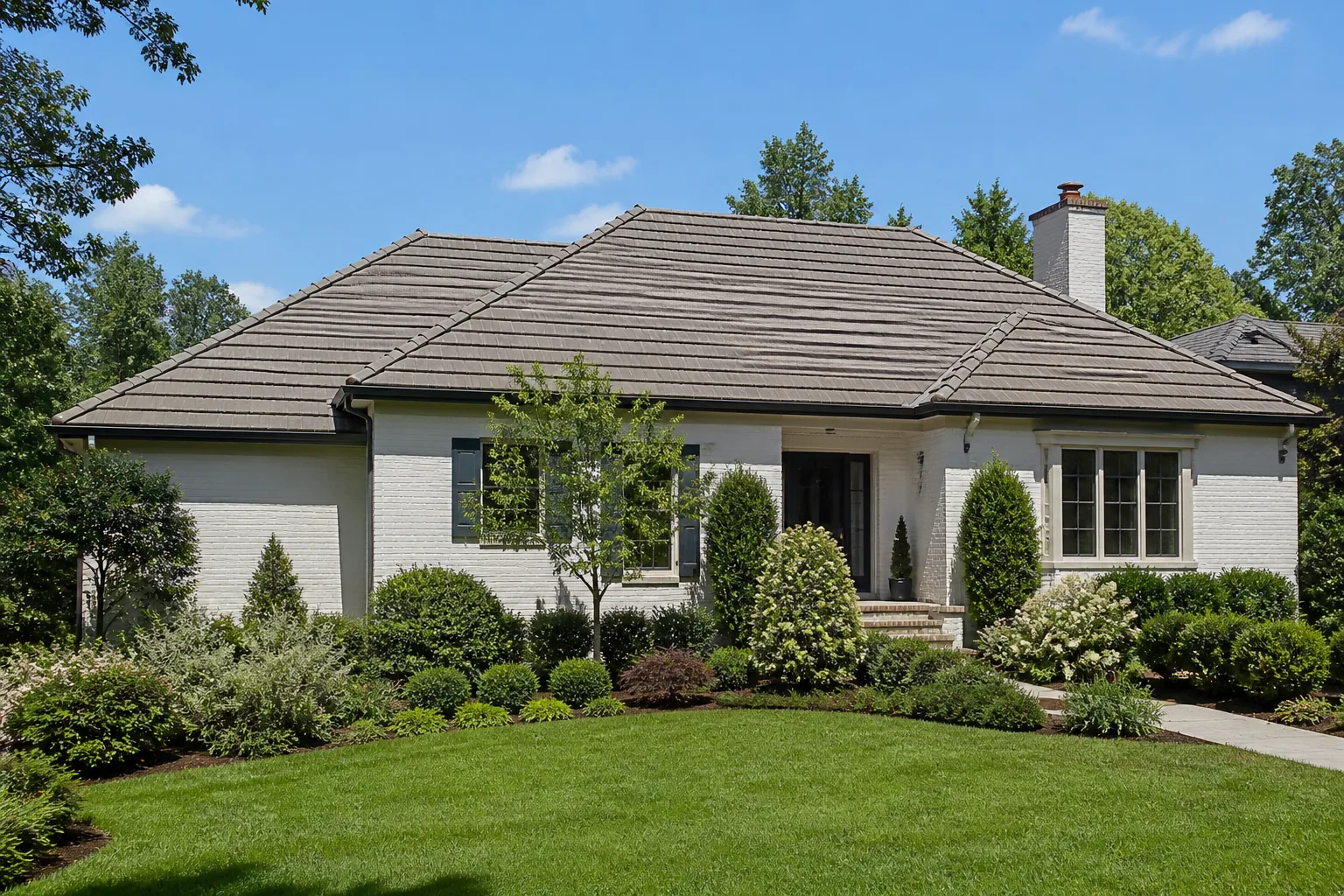
- Tile roofing
- GAF
- Owens Corning
- Flat & low-slope
Table of Contents
- How Tacoma’s Marine Climate Degrades Roofs Differently
- Why Tacoma Housing Stock Limits Your Material Options
- Roofing Materials Rated Against Tacoma Conditions
- The Moss and Algae Problem in the South Sound
- How to Read a Contractor’s Material Recommendation
- Roof Replacement vs. New Installation: What to Expect
- What Drives Roofing Costs in Tacoma
- Common Mistakes to Avoid
How Tacoma’s Marine Climate Degrades Roofs Differently
Marine air and persistent damp don’t attack every material the same way. Knowing which failure mode is likely on your roof helps you pick a material that resists it, and helps you spot problems early. Here’s how the main categories break down in Tacoma conditions.
Asphalt Granule Loss
Asphalt shingles shed granules as they age; that’s normal. The problem in a damp climate is that constant moisture keeps the mat cooler and wetter for longer stretches, and the freeze-thaw cycles of a Tacoma winter work at the edges. Granule loss exposes the asphalt underneath, and once that happens, the shingle dries out faster and ages quicker. On a Tacoma roof, keep an eye on the lower slopes and the shaded sides, where moisture lingers longest.
Tile Efflorescence
Clay and concrete tile are durable, but in the South Sound they often develop efflorescence – a chalky white bloom that works its way to the surface as moisture moves through the tile. It’s largely cosmetic, but it signals that the tile and the moisture around it are interacting. Tile also needs a sound underlayment beneath it; the tile sheds water, but the underlayment is what actually keeps it out. On a Tacoma home, the underlayment matters as much as the tile.
Metal Oxidation
Metal roofs are a strong fit for wet climates, but the finish and the metal type matter. Aged or lower-grade metal can oxidize where moisture sits in laps and fasteners. Quality metal panels with a sound finish handle Tacoma’s damp well, and metal’s smooth surface sheds moss better than textured shingles. The catch is installation: poor flashing and fastener detail let water in regardless of how good the metal is.
Why Tacoma Housing Stock Limits Your Material Options
Before budget even enters the conversation, your home’s structure narrows the field. Tacoma has a lot of older housing stock – Craftsman bungalows, Tudor-style homes, and early ranch houses – and each carries constraints that affect which materials you can realistically put on it.
Deck condition. Heavier materials like tile and some metal systems add load, and an older deck may need reinforcement or repair before it can carry them. It’s not a dealbreaker, but it’s a structural question a good estimator checks first.
Roof pitch. Low-slope sections and complex rooflines common on older Craftsman and Tudor homes limit material choices and change how water drains. Certain materials need a minimum pitch to shed water properly, and low-slope areas call for a different approach.
Ventilation. Older Tacoma homes often have under-ventilated attics. Poor ventilation traps moisture from below and adds to the damp the roof is already fighting. Whatever material you choose, ventilation has to be part of the plan.
Historic character. Some neighborhoods care about the look of a roof. Tile and certain metal profiles can match an older home’s character in ways shingle can’t, which is a reason material choice is about more than durability and cost. When we look at a Tacoma home, we start with these structural facts. Material follows.
Roofing Materials Rated Against Tacoma Conditions
National comparisons rate materials against average conditions. This one rates them against Tacoma’s specific pressures – persistent moisture, moss, older decks, and the freeze-thaw of a Puget Sound winter. Use it as a starting point, not a final answer; your structure still has the last word.
Asphalt Shingle
- Moisture resistance: Good, especially algae-resistant lines.
- Moss resistance: Moderate; textured surfaces hold moisture and moss.
- Weight and deck demand: Light; suits most Tacoma decks.
- Best fit: The majority of Tacoma homes, especially where budget and deck condition are the driving factors.
- Trade-off: Shorter lifespan than tile or metal in damp conditions if granules wear early.
We install shingle lines from Atlas, Tamko, GAF, and other major brands, so you can compare grades side by side rather than take whatever’s on hand.
Tile
- Moisture resistance: Strong, provided the underlayment is sound.
- Moss resistance: Good; the smooth surface sheds moss.
- Weight and deck demand: Heavy; may need deck reinforcement on older homes.
- Best fit: Homes that can carry the load and want long-term durability and a distinctive look.
- Trade-off: Efflorescence is common in the South Sound, and installation cost is higher.
Metal
- Moisture resistance: Excellent when flashing and fasteners are detailed correctly.
- Moss resistance: Excellent; slick panels shed moss and debris.
- Weight and deck demand: Light to moderate depending on panel type.
- Best fit: Homeowners prioritizing longevity and low moss maintenance.
- Trade-off: Finish quality matters; lower-grade metal can oxidize in a wet climate.
Boral and other manufacturers give us tile and metal options to compare directly against shingle, so the decision is driven by your home, not one product line.
The Moss and Algae Problem in the South Sound
Moss and algae are a bigger deal in Tacoma than in drier parts of the Pacific Northwest, and they’re worth planning for at the material stage rather than treating as an afterthought. The South Sound’s damp, shaded conditions are close to ideal for both.
Why algae-resistant shingles matter here. Algae streaks aren’t just cosmetic; they signal a roof that stays wet. Algae-resistant shingles carry granules designed to resist this growth, and in a climate where roofs stay damp for long stretches, that resistance earns its keep. On a Tacoma roof, it’s a feature worth prioritizing over a small step up in cost.
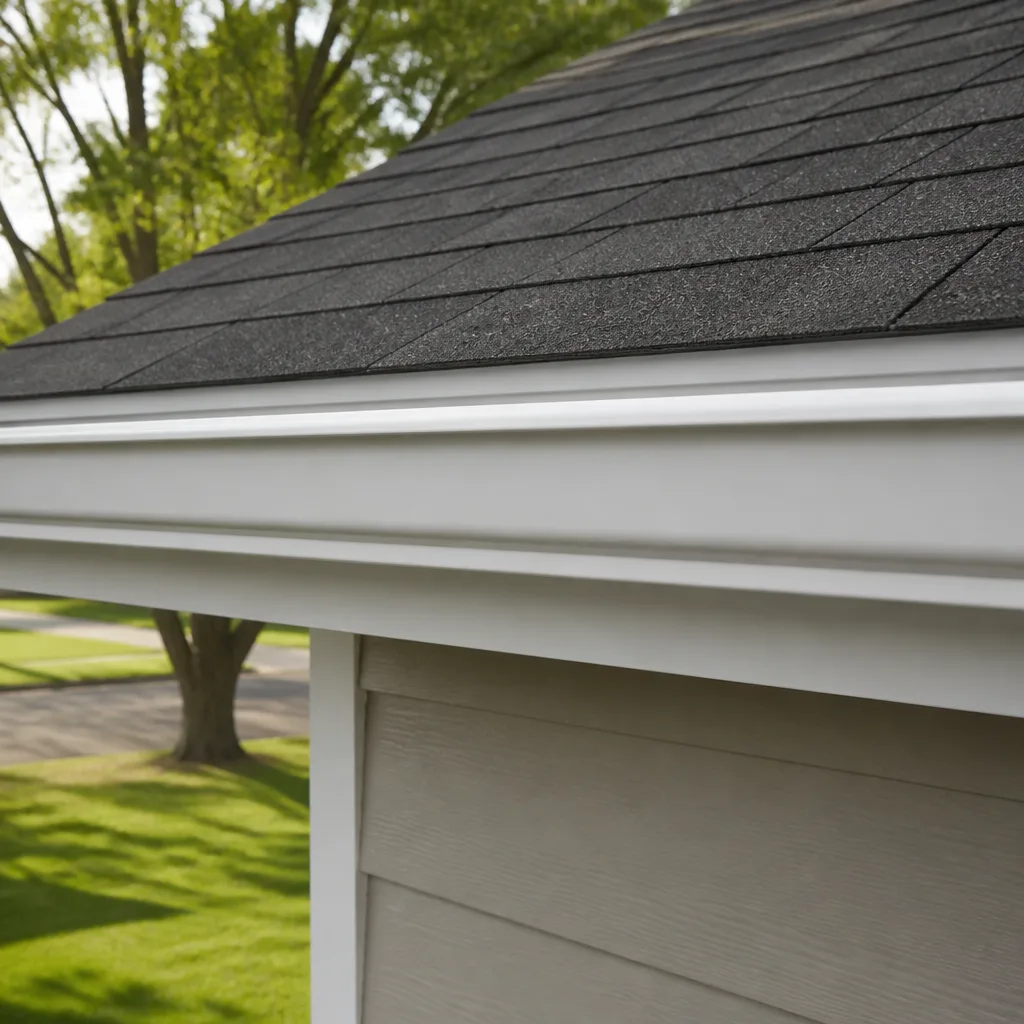
Why moss is harder to prevent than algae. Moss takes hold on textured surfaces and shaded slopes where debris collects and moisture sits. Smooth materials like metal shed moss and debris better than textured shingles. On a shingle roof, keeping gutters clear and trimming back overhanging branches to let light and air reach the roof make a real difference.
What not to do. Pressure-washing a shingle roof to remove moss can strip granules and shorten its life. If moss is heavy, a gentle manual approach is safer than a hard blast. It’s one of the most common missteps we see on Tacoma roofs.
How to Read a Contractor’s Material Recommendation
A material recommendation is only as good as what’s driving it. Some contractors push what they stock; others recommend what your structure and goals call for. Here’s how to tell the difference and get a recommendation you can trust.
- Ask what’s driving the suggestion. A good estimator should explain whether the recommendation comes from your deck condition, pitch, ventilation, or your goals – not just “this is what we install.”
- Ask to compare at least two materials. If you’re only shown one product line, you can’t judge the trade-offs. We carry brands across shingle, tile, and metal specifically so you can compare in one conversation.
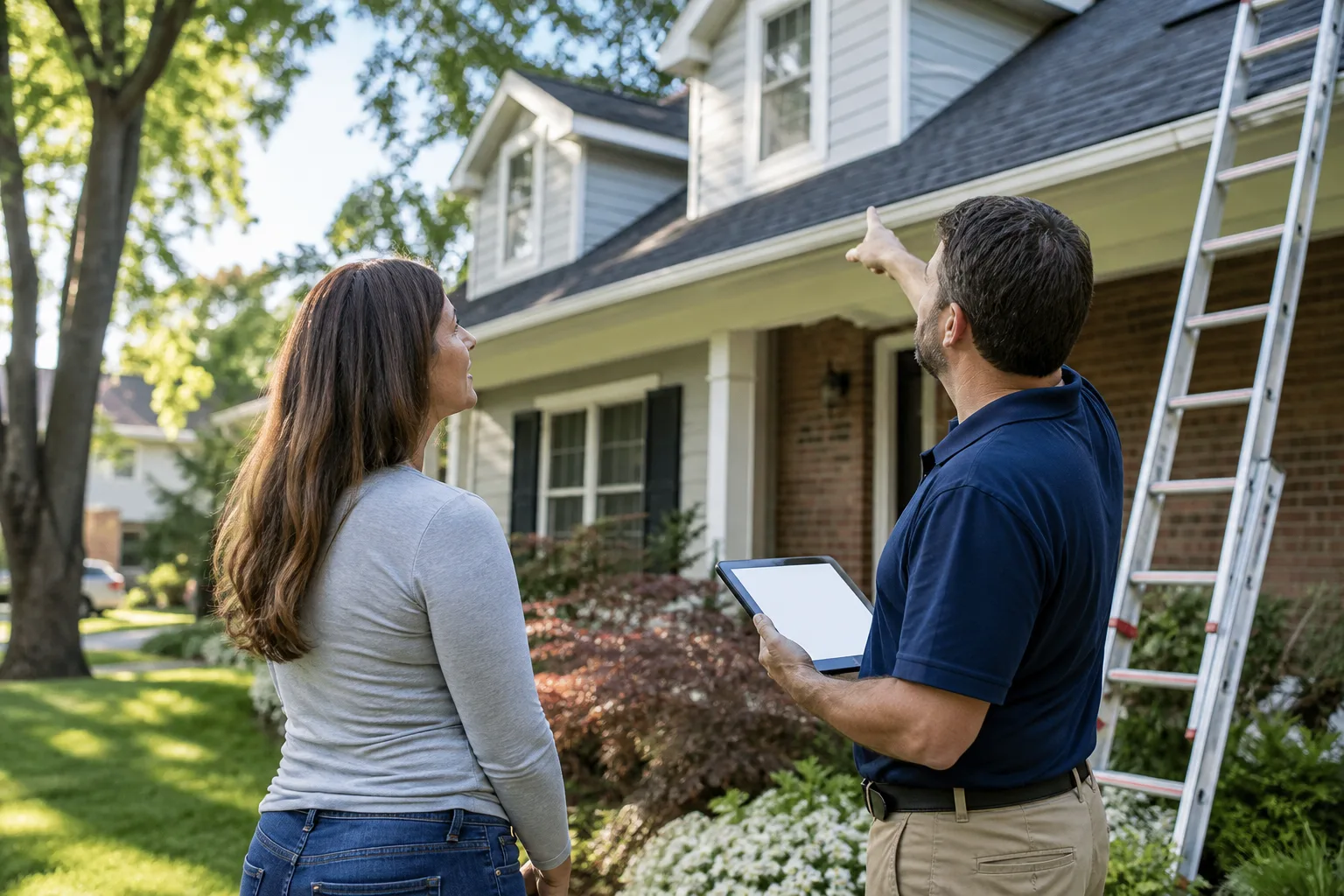
- Check whether the pitch and deck were actually assessed. A recommendation made without inspecting the structure is a guess. Ask whether an older Tacoma deck was checked for load and condition.
- Ask about the warranty source. Manufacturer-backed warranties come from the brand and are backed by the installation. Know which brand backs which warranty and how long it runs.
- Watch for the single-brand push. If every answer steers you toward one product, ask why. A recommendation should survive a side-by-side comparison.
Treat the recommendation as advice to be tested, not a verdict. You’re paying for a roof that lasts, and the questions above keep the decision on your structure and goals.
Roof Replacement vs. New Installation: What to Expect
Most Tacoma homeowners are looking at a replacement; some are building new and need a full installation. They’re different jobs, and knowing what each involves helps you plan and ask the right questions.
Full Replacement
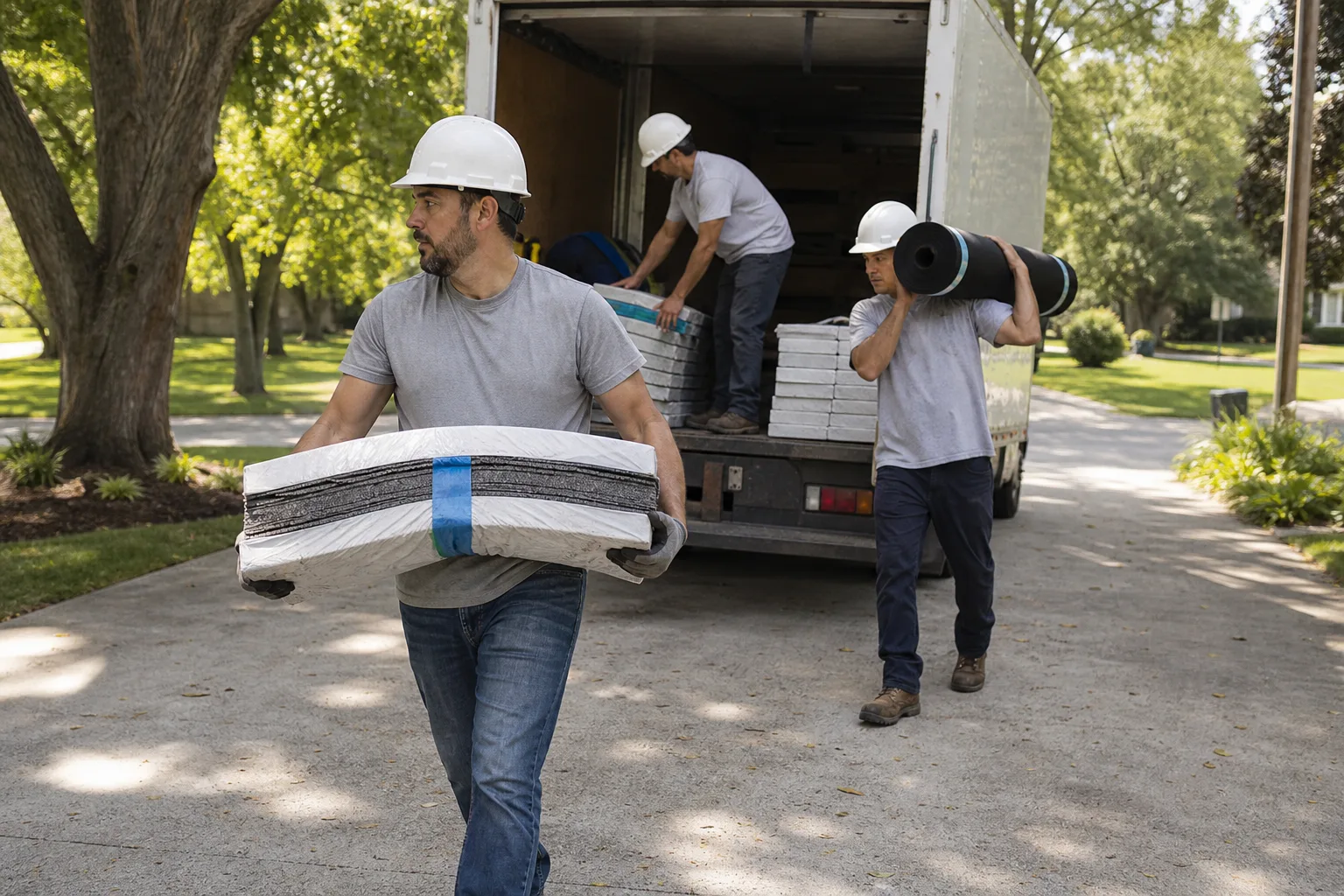
- Tear-off of the existing roof, so the deck can be inspected.
- Repair or reinforcement of any deck issues found – especially important on older Tacoma homes.
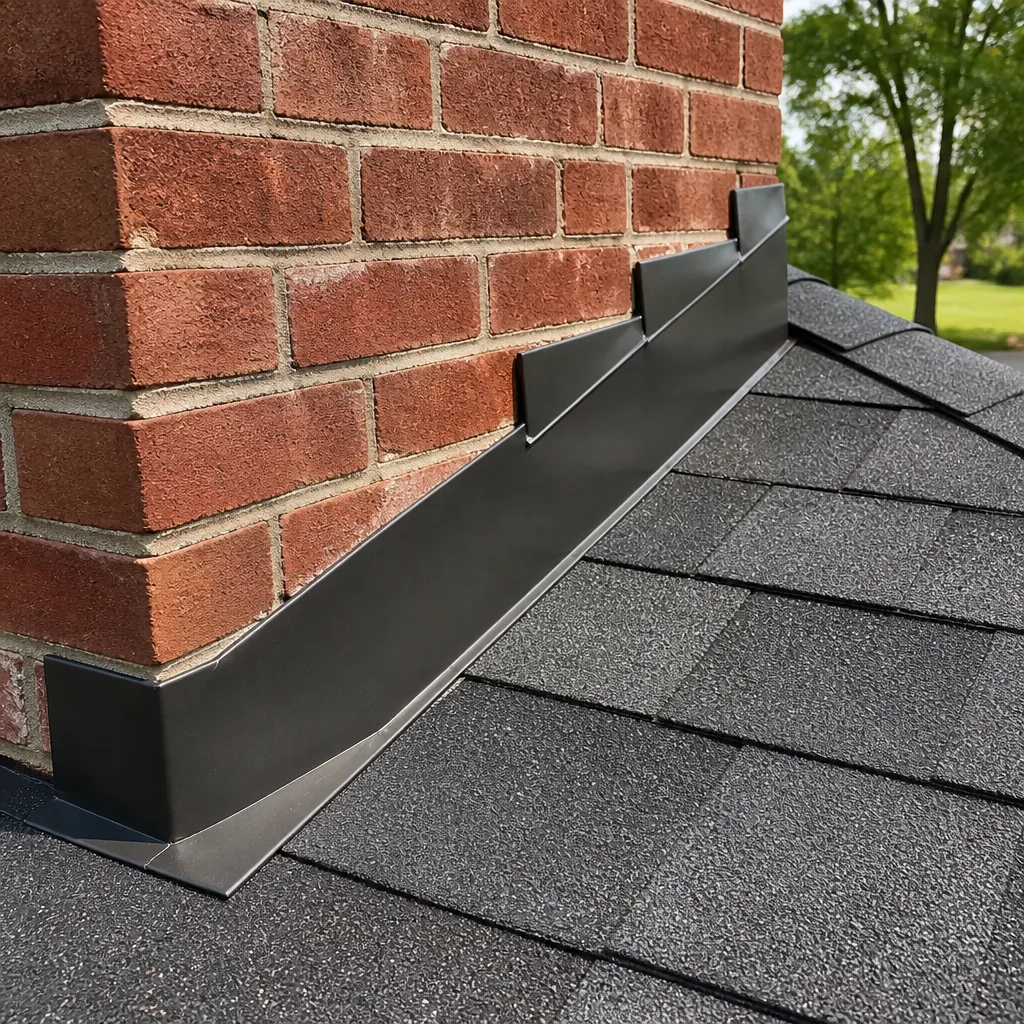
- New underlayment, flashing, and ventilation worked into the plan.
- Installation of your chosen material, with a manufacturer-backed warranty tied to proper installation.
Our roof replacement work starts with the deck, because a new roof over a failing deck won’t last. For homes being built, a new roof installation follows the same material-selection logic from the ground up. Our technicians have up to 8 years of experience, and our estimators work through the trade-offs with you before you commit to a material.
What Drives Roofing Costs in Tacoma
Roof cost in Tacoma isn’t a single number – it’s the sum of your structure, your material choice, and the details of your roof. Two homes on the same block can land far apart once those factors are weighed. We don’t quote flat prices here because your written estimate sets the final price, but you can expect these factors to drive the total.
- Material choice. Shingle is typically the lowest upfront cost; tile and metal run higher but last longer in Tacoma’s damp climate.
- Deck condition. Older Tacoma homes sometimes need deck repair or reinforcement before new material goes on, especially under tile.
- Roof complexity. Complex rooflines, valleys, and dormers take more labor and flashing detail than a simple gable.
- Ventilation and underlayment. Getting these right costs more upfront but prevents the moisture problems Tacoma roofs fight.
- Moss and algae exposure. Shaded slopes prone to moss may warrant algae-resistant shingles, which cost a little more.
The reliable way to price a Tacoma roof is a written, line-item estimate based on your actual structure and material choice. That’s what we provide, free and with no obligation.
Common Mistakes to Avoid
- Choosing a material by style alone. A look you love can fail fast on an under-ventilated Tacoma attic or a deck that can’t carry the weight. Match the material to the structure first, then choose the look.
- Skipping the deck inspection. Recovering a failing deck with new material hides problems that resurface quickly. On older Tacoma homes, the deck is the first thing to check.
- Ignoring ventilation. A damp climate plus a poorly ventilated attic is a recipe for moisture damage. Ventilation belongs in the plan, not as an afterthought.
- Pressure-washing shingles to clear moss. A hard blast strips granules and shortens roof life. Use a gentle approach instead.
- Taking a single-brand recommendation at face value. If you’re only shown one product line, you haven’t compared the options. Ask to see more than one material side by side.
- Overlooking algae resistance. In the South Sound, algae-resistant shingles are a worthwhile choice; skipping them can mean streaks and a wet roof within a few seasons.
- Treating the lowest quote as the answer. A low price on the wrong material for your Tacoma home costs more over time. Weigh the trade-offs, not just the bid.
See the difference
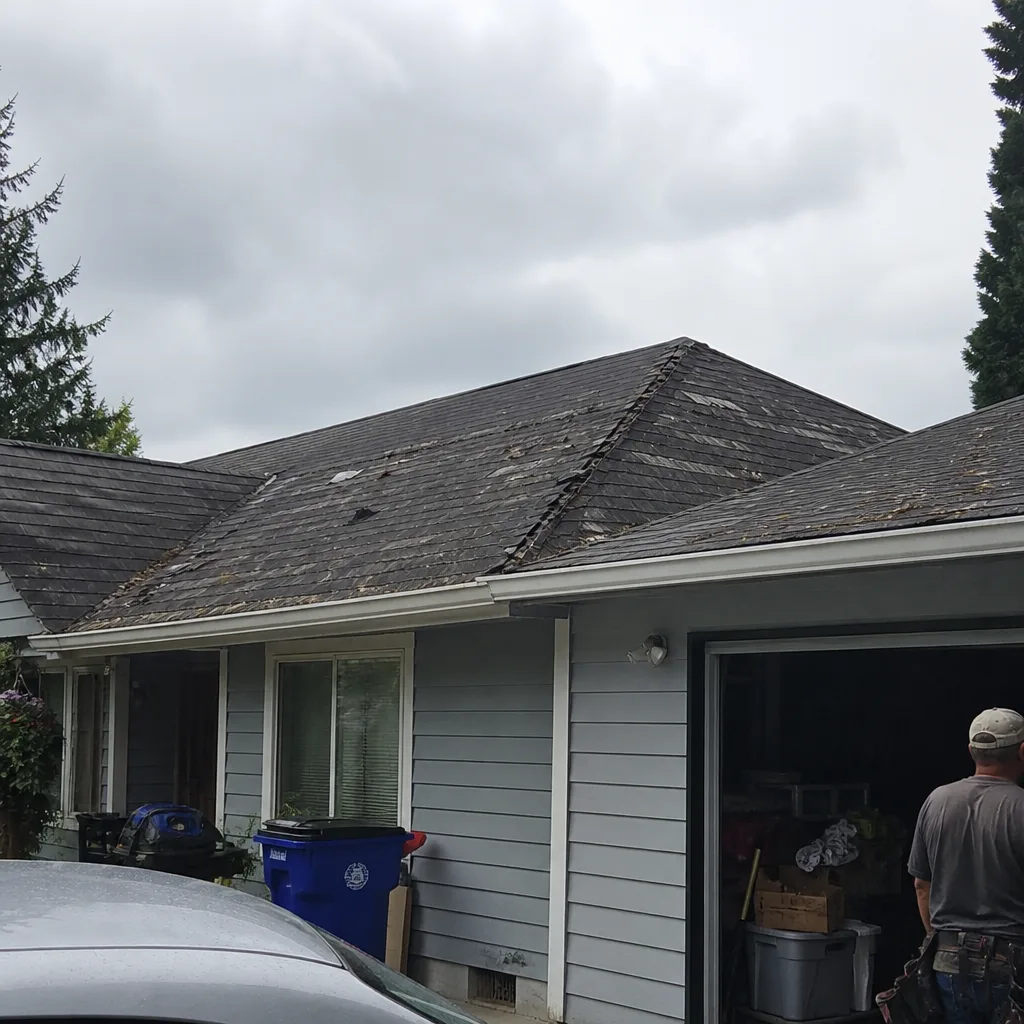 Before
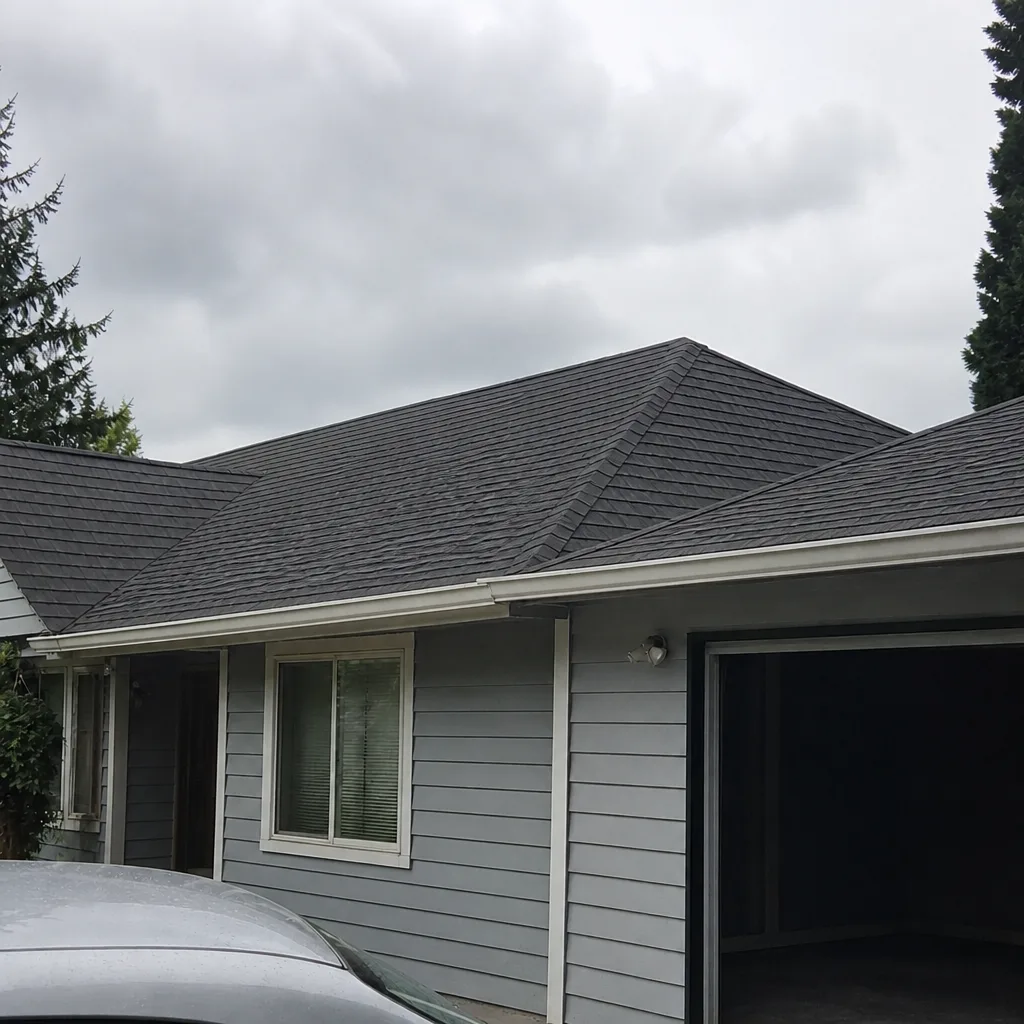 After
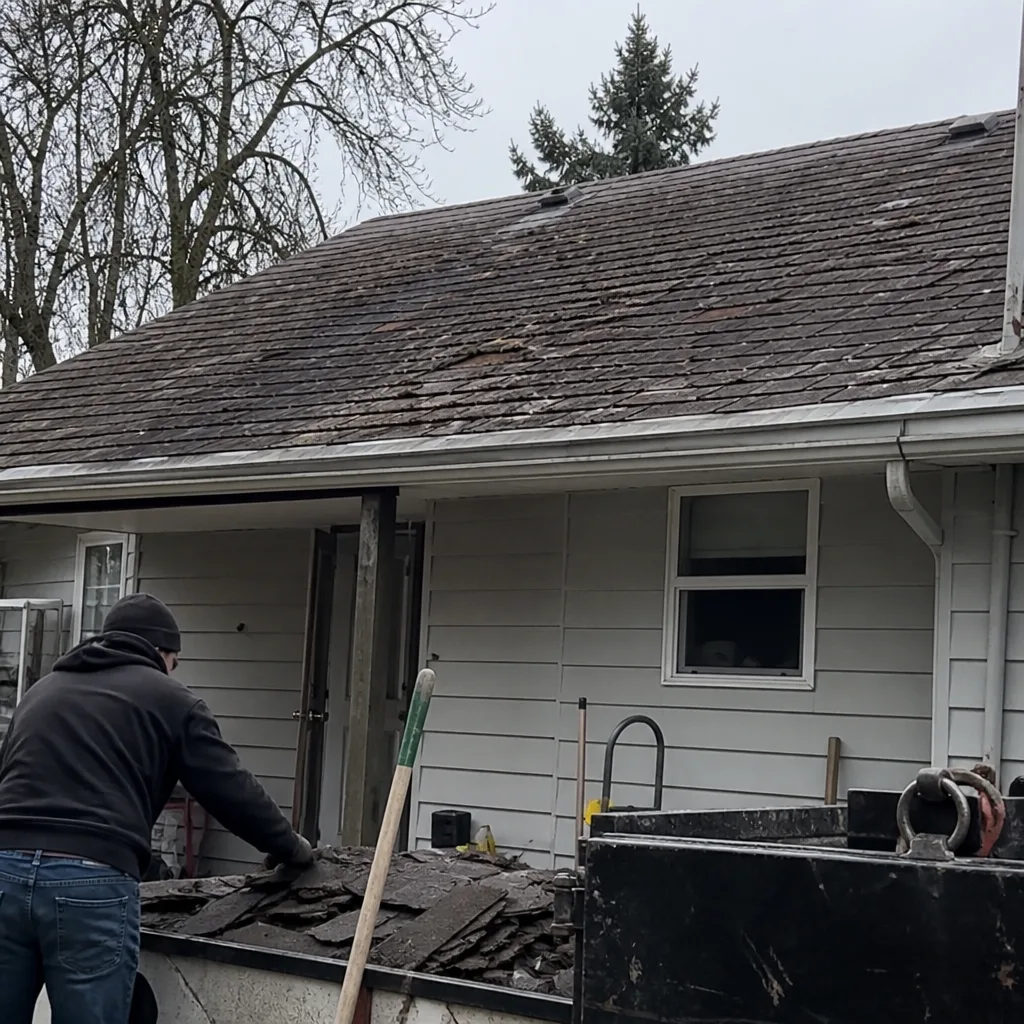 Before
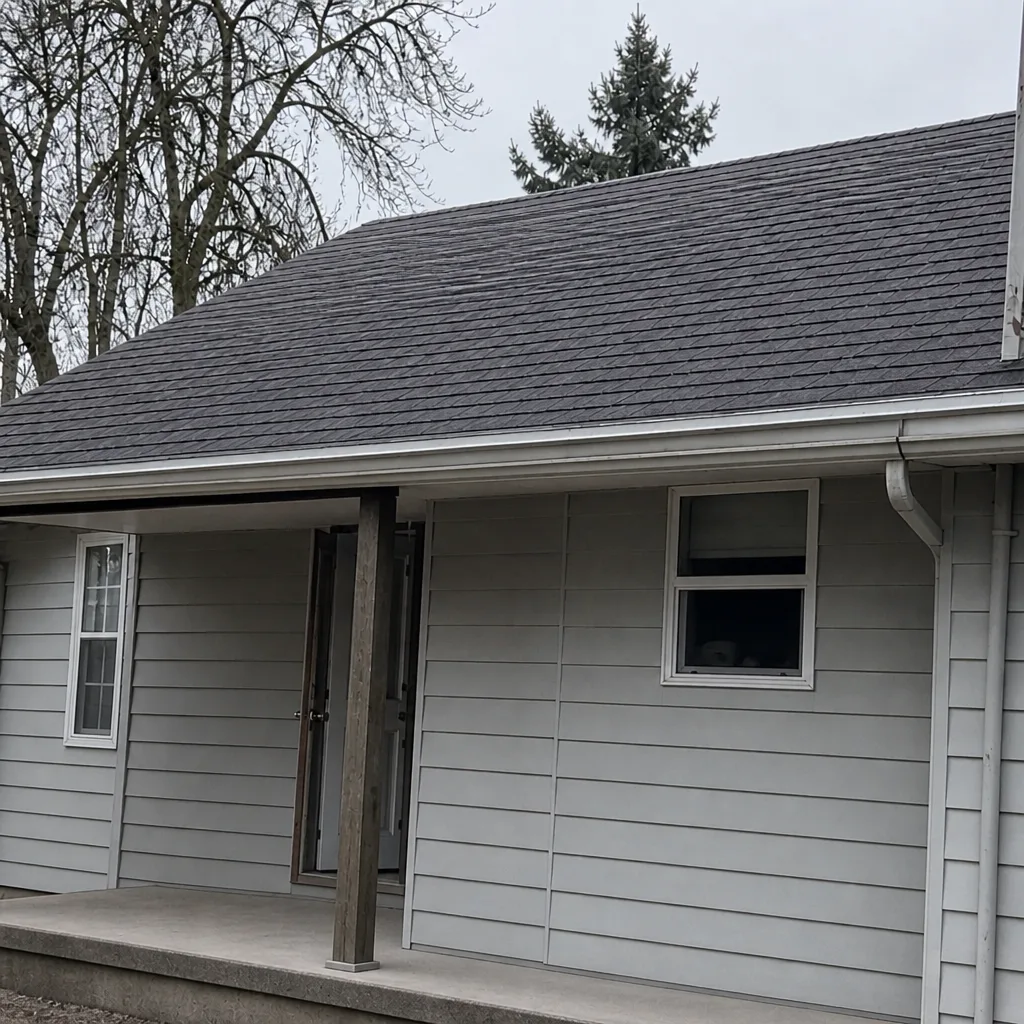 After
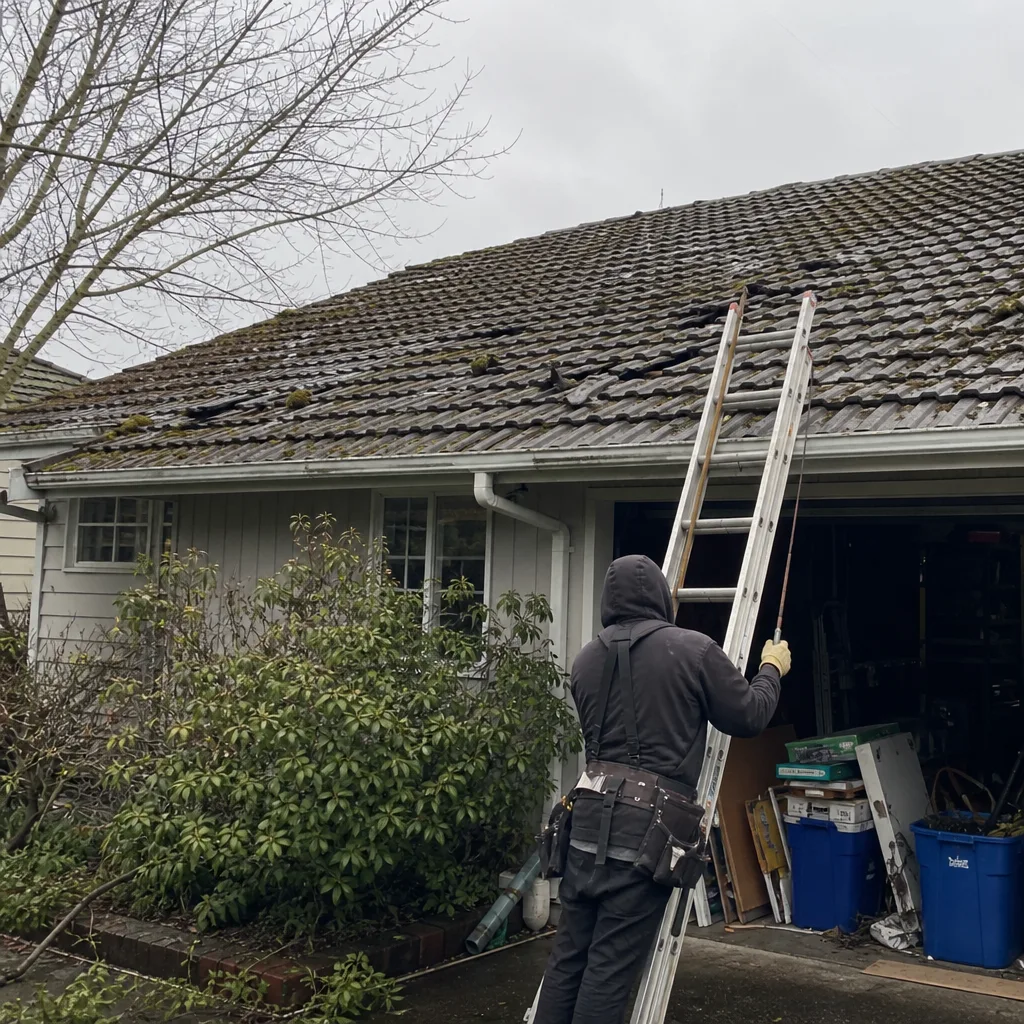 Before
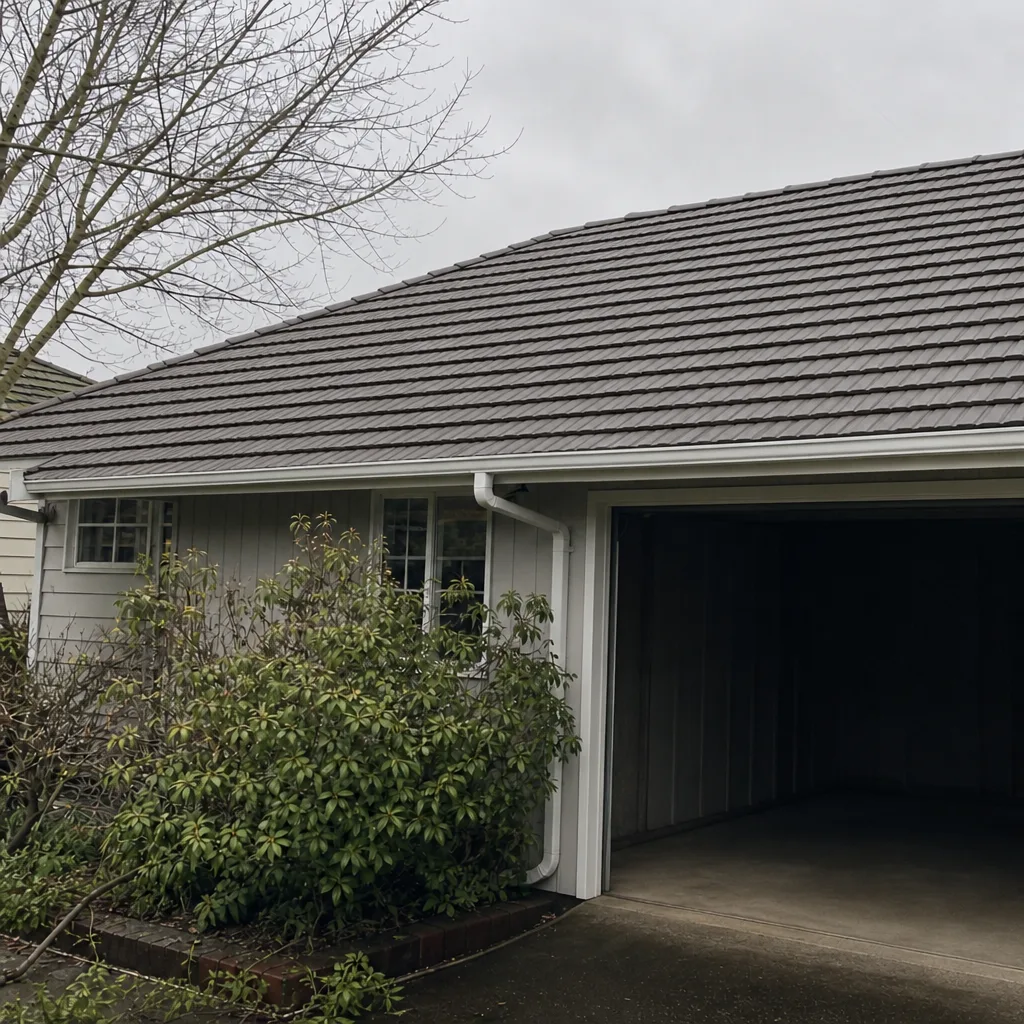 After
When to Call a Professional
Some roof issues are worth watching; others shouldn’t wait. Call a professional if you see granules collecting in gutters, missing or lifted shingles, water stains on ceilings or attic sheathing, or moss spreading across shaded slopes. Structural questions – whether your deck can carry tile, whether your pitch suits a material, whether your attic is vented well enough – are best answered by someone who inspects the roof, not by guesswork. Tacoma Roofing Co offers free estimates in Tacoma – call (253) 295-5163. We answer 24/7. Fast dispatch from 7am to 7pm, Sunday through Friday. A call outside dispatch hours is booked into the next opening, Sunday through Friday, 7am to 7pm.
Frequently Asked Questions
There’s no single “best” – the right material depends on your structure, pitch, and goals. Asphalt shingle fits most Tacoma homes, while metal excels at shedding moisture and moss, and tile offers long-term durability on homes that can carry the load. Call (253) 295-5163 for a free estimate.
Replacement cost in Tacoma depends on material, roof complexity, and deck condition, so the written estimate sets the final price. Shingle is typically the lowest upfront cost, with tile and metal running higher but lasting longer. Call (253) 295-5163 for an exact quote – estimates are free.
Algae-resistant shingles are worth the step up in the South Sound, where damp, shaded conditions favor algae growth. They resist the streaks and wetness that ordinary shingles develop faster here. Ask your estimator to compare grades.
Moss thrives in the South Sound’s damp, shaded conditions, especially on textured shingle slopes where debris collects. Smooth materials like metal resist it better, and clearing gutters and trimming branches helps on shingle roofs.
Sometimes, but it depends on the deck’s condition and load capacity, which an inspection must confirm. Older Craftsman and Tudor homes often need deck reinforcement before heavier materials go on. Ask for a structural check before choosing.
Re-roofing usually requires a permit, and the details vary by project and jurisdiction. The local pro we connect you with handles permitting as their state and city require, so ask about it in your estimate. Call (253) 295-5163 to schedule.
The Bottom Line
Roofing in Tacoma comes down to matching material to your structure and your climate, not picking the product a contractor wants to sell. Persistent moisture, moss, and older housing stock each narrow the field, and a roof that ignores them ages faster. Start with the deck and pitch, weigh shingle against tile and metal on their real trade-offs, and lean on algae-resistant options where moss and damp are worst. Shingle roofing covers most homes; metal and tile earn their keep on the right structure. Whatever you choose, get a written line-item estimate and a warranty backed by the manufacturer. Call (253) 295-5163 to schedule your free estimate. We answer 24/7. Fast dispatch from 7am to 7pm, Sunday through Friday.
Written by the team at Tacoma Roofing Co.