Last updated November 25, 2026

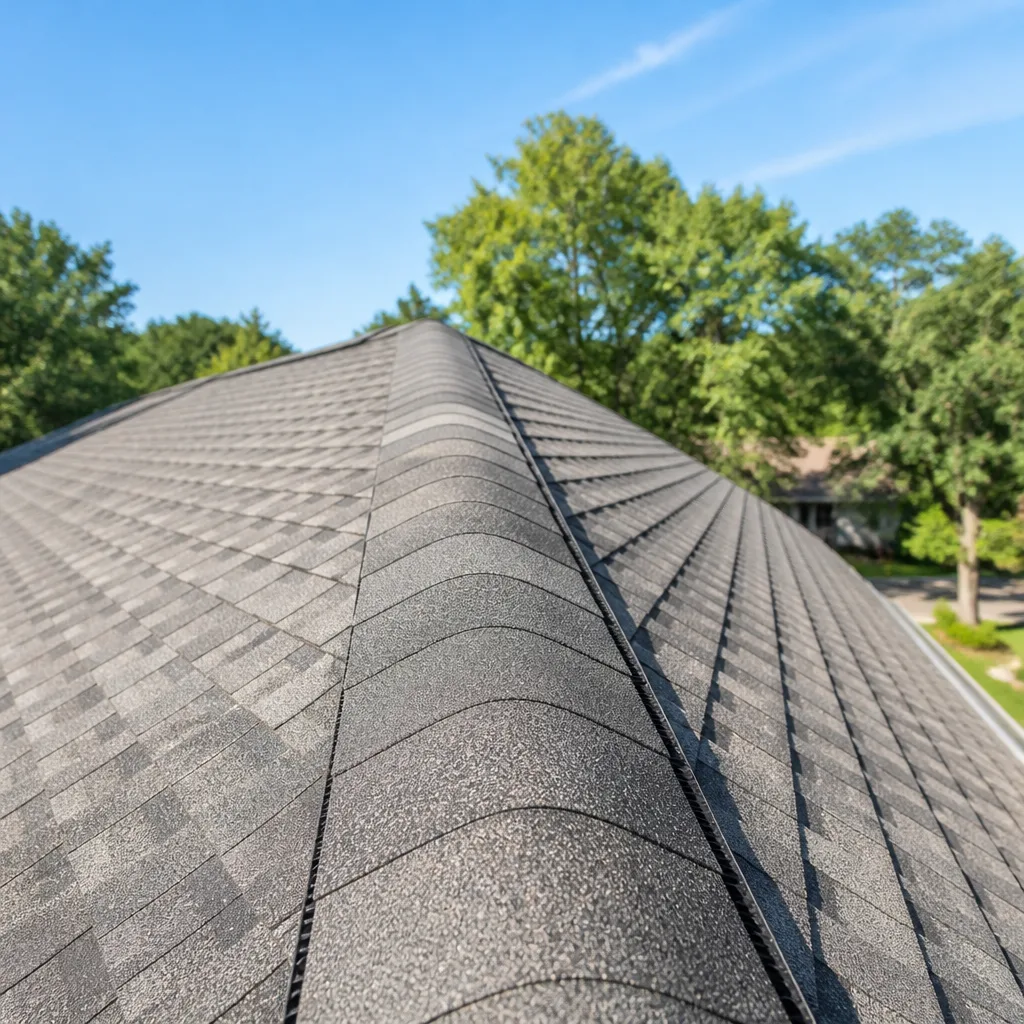
Free roof inspection with deck photos before we talk money - GAF and Owens Corning certified installation
Seasonal Roofing Care for Tacoma: Year-Round Homeowner’s Guide
Most roofing advice you’ll find online was written for a place with four clean seasons. Tacoma doesn’t work that way. Our wet season runs roughly October into May, and our dry season is short and sharp. That leaves a narrow stretch of weeks in late summer when the roof surface is dry enough for treatments to actually cure and repairs to hold. Miss it, and you spend the winter watching moss spread and caulk fail on work that should have lasted. This guide maps the whole year for Tacoma, month by month, so you know what to do and when. You’ll learn the treatment timing, the debris patterns, the winter risks that do and don’t apply here, and the storm damage to look for after a South Sound wind event.
Quick Answer
Seasonal roof care in Tacoma centers on a single window: late summer, roughly August into September, when the roof is dry enough for moss treatment to cure and preventive repairs to bond before the fall rains return. Everything else in the year either sets up that window or catches what it couldn’t prevent. A good routine means clearing debris after wind and rain, inspecting in late winter and early spring, and booking any real repair work before the wet season starts.
Styles & brands we work with
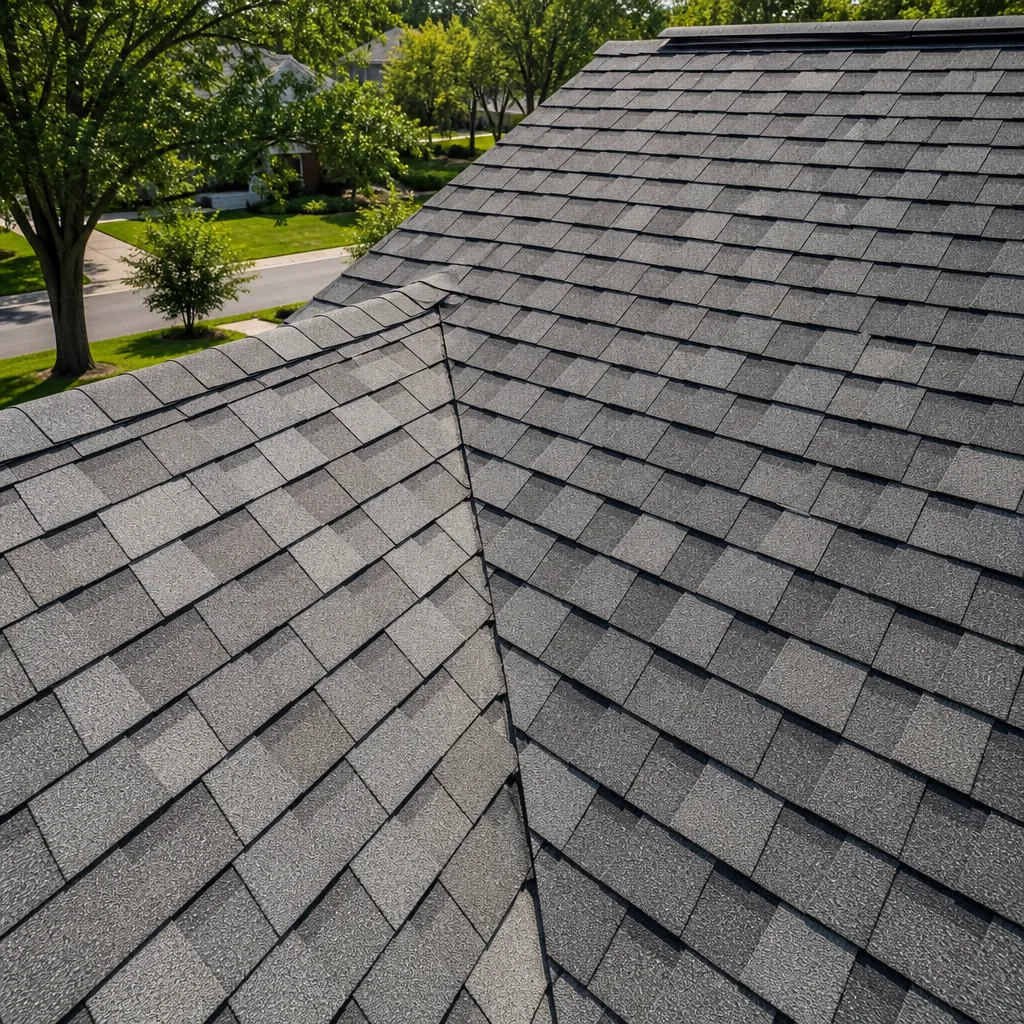
- Architectural shingles
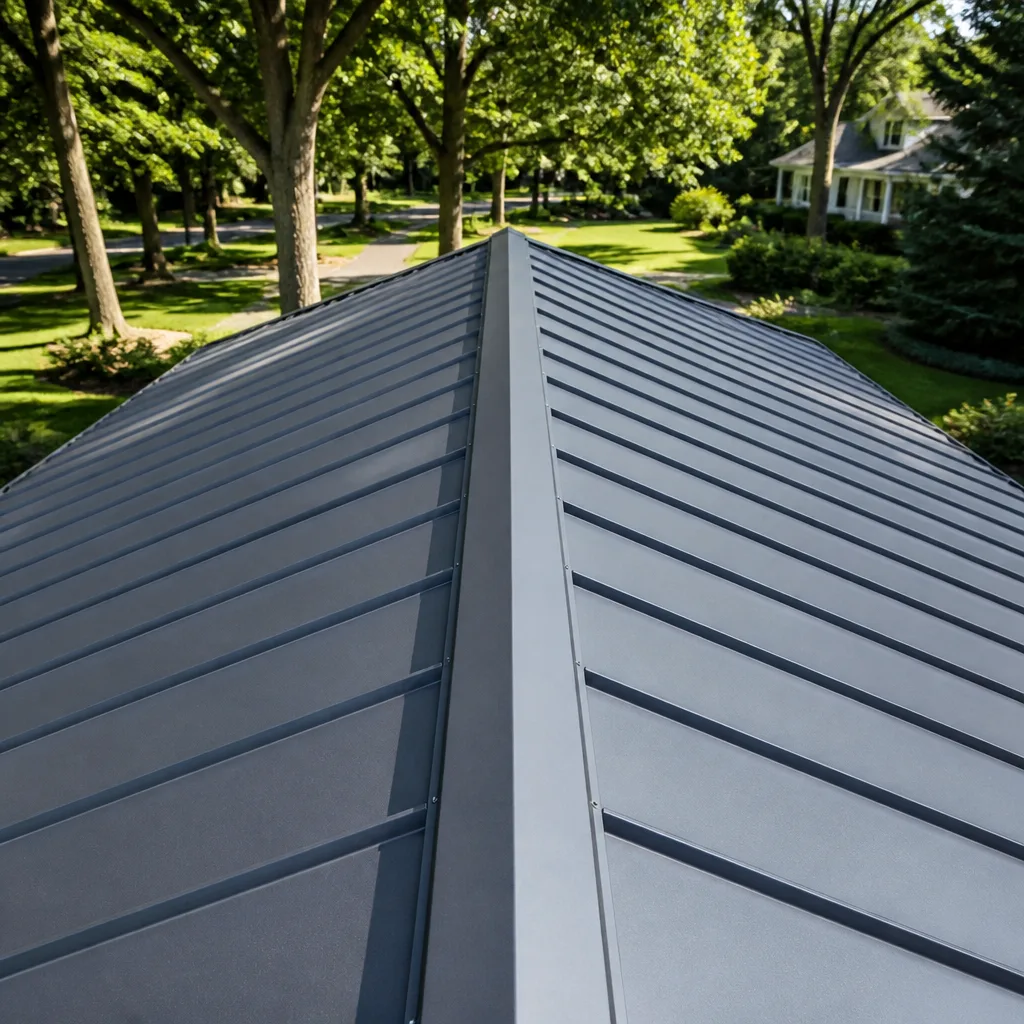
- Metal roofing
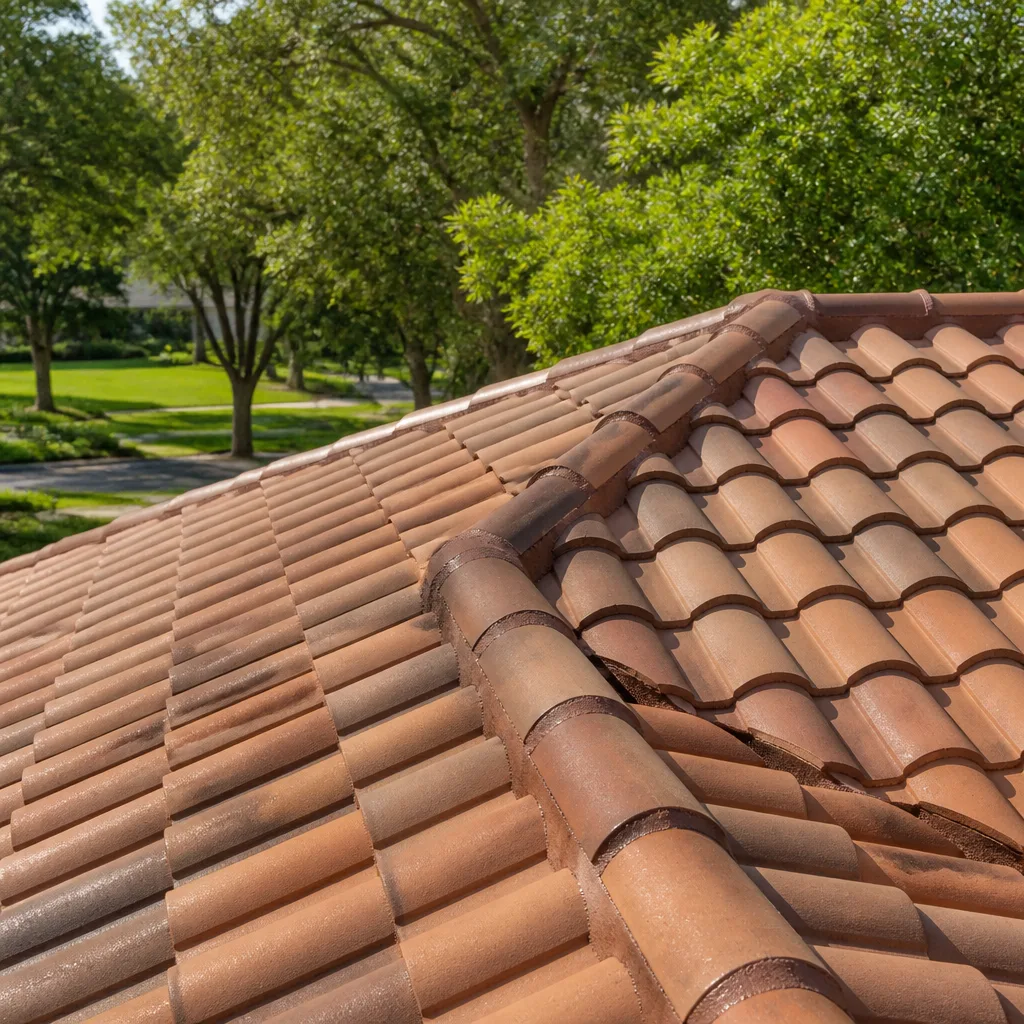
- Tile roofing
- GAF
- Owens Corning
- Flat & low-slope
Table of Contents
- Why Tacoma’s Roof Care Calendar Is Built Around a Six-to-Eight-Week Window
- The Month-by-Month Roof Care Map for Tacoma
- Why Moss Treatment Has to Happen in Late Summer, Not Fall
- Fall Gutter and Downspout Prep for Tacoma’s Tree Canopy
- Winter Roof Inspection: What Ice Damming Risk Really Looks Like Here
- Spring Post-Storm Inspection Checklist
- When Seasonal Care Is Enough and When It’s Time to Plan a Replacement
- Choosing Materials That Suit Tacoma’s Climate
Why Tacoma’s Roof Care Calendar Is Built Around a Six-to-Eight-Week Window
Tacoma gets roughly six to eight weeks between the point where summer has dried the roof surface enough for treatment products to cure and the point where fall rain resumes. Most homeowners don’t know that window exists. They see a dry August, feel no urgency, and then the first real rain arrives and the roof is wet again until next summer.
That window matters because it’s the only stretch of the year when several jobs actually work as intended. Moss treatment needs a dry surface to bond and cure. Sealant and flashing repairs need dry wood and dry metal to adhere. Preventive inspections are most useful before the wet season because the roofer is looking at a clean slate, not water-damaged evidence. In our experience, the difference between a roof that reaches the far end of its expected service life and one that doesn’t comes down to whether these jobs were done inside the window or skipped to the next year.
Think of the Tacoma year in three blocks rather than four:
- The wet season (October through May): roof stays damp, growth stays active, and conditions for repairs are unreliable. Watch, clear, and catch problems early, but don’t expect treatment to cure.
- The drying and window (June through September): the roof dries out, moss dries and goes dormant, and the surface is ready for treatment and repair. This is when the real work gets booked.
- The transition (late September into early October): last call. After the rains settle in, treatment applied to a damp roof washes off or fails to cure, and you’re waiting another year.
Every section that follows ties back to this point. If you hire one thing out for the year, make it the late-summer treatment and inspection, because that one visit covers the most ground.
The Month-by-Month Roof Care Map for Tacoma
A generic four-season template doesn’t fit Tacoma. Here’s a calendar calibrated to our actual precipitation pattern, so you can match the task to the weather you’re living in rather than the calendar on a national home-maintenance site.
January and February
Peak wet season. After any wind event or stretch of heavy rain, walk the yard and look at the ground below the roof edges. Granules washing off shingles, grit in the gutters, or bits of roofing material are early signals. Note interior stains on ceilings and walls; the day the stain appears is diagnostic information. This isn’t repair season, it’s watch-and-record season.
March and April
Rain continues, but daylight returns. This is the best time of year for a thorough wet-season inspection from the ground and a careful look at attic-side evidence, because you’re catching what the winter did rather than guessing. Check gutter hangers and downspouts for sagging from months of debris loads. If you found anything in January or February, get it on the schedule now so the repair lands in the summer window.
May and June
The transition out of the wet season. Rain tapers, surfaces start to dry, and moss growth slows but doesn’t stop. Clear remaining debris from gutters after the last of the spring wind. Get estimates lined up for any moss treatment or repair booked for the summer window so the work doesn’t slip.
July and August
The roof is at maximum dryness and treatment actually cures. If you have a moss treatment to do, get it done. Any flashings, pipe boots, or valley details that failed over the wet season get repaired now, while materials and wood are dry. This is also the month to book your fall gutter cleaning and any pre-winter inspection so it doesn’t get pushed into the rain.
September
The narrow end of the window. Late September is your last chance to treat and repair before the fall rains. Anything not done by early October essentially waits another year. We’ve seen plenty of roofs where moss treatment was applied in October hoping for the best; the result is a wasted tank of product and active moss through the winter.
October and November
Rain returns. Gutter cleaning has to happen before the big leaf drop and again after it, because the debris load from Tacoma’s mature canopy is heavy. Clear valleys and drainage paths so water moves off the roof instead of pooling. This is also the time to watch for the first evidence of ice damming, though as we explain below, our temperature range makes that less common than in colder climates.
December
Wet season at its height. Keep clearing debris from gutters and inspecting for wind-driven rain intrusion around chimneys and skylights. If you haven’t done the summer work, this is the month you’ll notice.
Why Moss Treatment Has to Happen in Late Summer, Not Fall
Moss treatment in Tacoma has to be applied to a dry roof in late summer because the active ingredients in zinc and copper treatments depend on water chemistry to work, and they also need to cure onto the surface. Both of those require dry conditions. Applied to a wet roof in October, the product either washes off before it can work or sits in a diluted puddle where it can’t do its job. Either way, you’ve paid for a treatment that didn’t treat.
Here’s the chemistry in plain terms. Zinc and copper compounds work by releasing metal ions onto the roof surface, and those ions disrupt the moss cells that absorb them. Water is the vehicle. On a dry roof, rain dissolves a small amount of the treatment over time and the ions run downslope, which is why treatments are often applied in a strip near the top of the roof and allowed to wash slowly down over the surface. On a roof that’s already wet and cold, the release happens all at once into saturated conditions, the ions wash straight past the moss into the gutters, and the treatment is spent before the moss is affected.
The other reason late summer matters is the moss itself. Moss goes dormant when the roof dries, which means treatment applied to dry, dormant moss is working on a plant that isn’t actively growing and hasn’t sealed itself to the surface. Growth stays active through the wet season, but the late-summer treatment is what interrupts the cycle and buys you a dry, manageable season. Skip it and next spring’s moss is thicker than this spring’s.
What a proper treatment looks like:
- Confirm the roof is dry. A surface that’s been rained on within the previous day or two isn’t ready.
- Clear loose debris first. Product can’t reach moss under a mat of needles and leaves.
- Apply the treatment and let it cure. Curing is the part that fails when treatment is done in fall.
- Let the dead moss weather off, or have it removed carefully so the shingle surface isn’t scuffed.
Avoid the instinct to pressure-wash moss off a shingle roof. It strips granules and voids the warranty on many products from GAF, CertainTeed, and Owens Corning. Treatment, patience, and gentle removal work better.
Fall Gutter and Downspout Prep for Tacoma’s Tree Canopy
Tacoma’s fall gutter prep has to account for two very different debris loads from two very different trees. Big-leaf maple leaves are large, wet, and heavy, and they mat into a solid layer that holds water against the gutter and behind the fascia. Douglas fir needles are small, abundant, and behave completely differently: they sift through most leaf guards, pack into downspout elbows, and form a dense, waterlogged plug that a casual glance will miss.
That means one fall cleaning isn’t enough. A typical Tacoma fall benefits from two passes:
- The pre-drop clean, usually late September or early October. Clear gutters and downspouts before the bulk of the leaf fall, so the system starts the season empty.
- The post-drop clean, usually late November. After the maples have finished shedding, clear again. This second pass is the one that catches the fir needle load the first clean didn’t see.
Downspout elbows are the highest-risk spot. A plugged elbow at the bottom of a run turns the whole gutter into a pond, and the water backs up under the first course of shingles until it works its way into the fascia and soffit. Test each downspout with a hose and watch where the water actually goes. If the discharge point is right against the foundation, extend it away from the house.
Leaf guards help, but they aren’t a replacement for cleaning. Fir needles and broken maple bits slide through most guards and pack the gutter underneath. The correct expectation is that guards reduce the frequency of cleaning, not the need for it. Wet-season overflow around the roof edge or staining on the fascia usually means a clogged system somewhere, not a failing shingle.
Winter Roof Inspection: What Ice Damming Risk Really Looks Like Here
Ice damming is less of a concern in Tacoma than in colder climates, because our winters mostly hover in a temperature range where snow melts and drains rather than refreezes into a long-lived dam. But it isn’t zero, and the years where we do get a cold snap plus snow are the years it shows up. Knowing when it actually applies saves you from paying for preventive work you don’t need, and knowing the conditions means you’ll catch it on the years it matters.
Ice damming needs three things at once: snow on the roof, warm air leaking from the house into the attic and heating the upper roof, and a cold enough eave to refreeze the meltwater before it reaches the gutter. That last part is the one Tacoma often fails to deliver. Warm, wet winters mean snow usually melts evenly and runs off. The exceptions are the cold, snowy stretches, and on those, the risk is real. The telltale sign is ice forming at the eave with water backing up under the shingles behind it, and interior staining or dripping along the exterior wall line in the same period.
A winter inspection in Tacoma should focus on these items:
- Attic-side evidence. Look for damp wood, frost, or staining on the roof sheathing and along the top of the exterior walls. These point to warm-air leaks that will feed an ice dam when conditions align.
- Ventilation. Blocked soffit vents and a poorly vented attic are the biggest controllable factor in ice damming. A dry, well-vented attic is the best protection you can install.
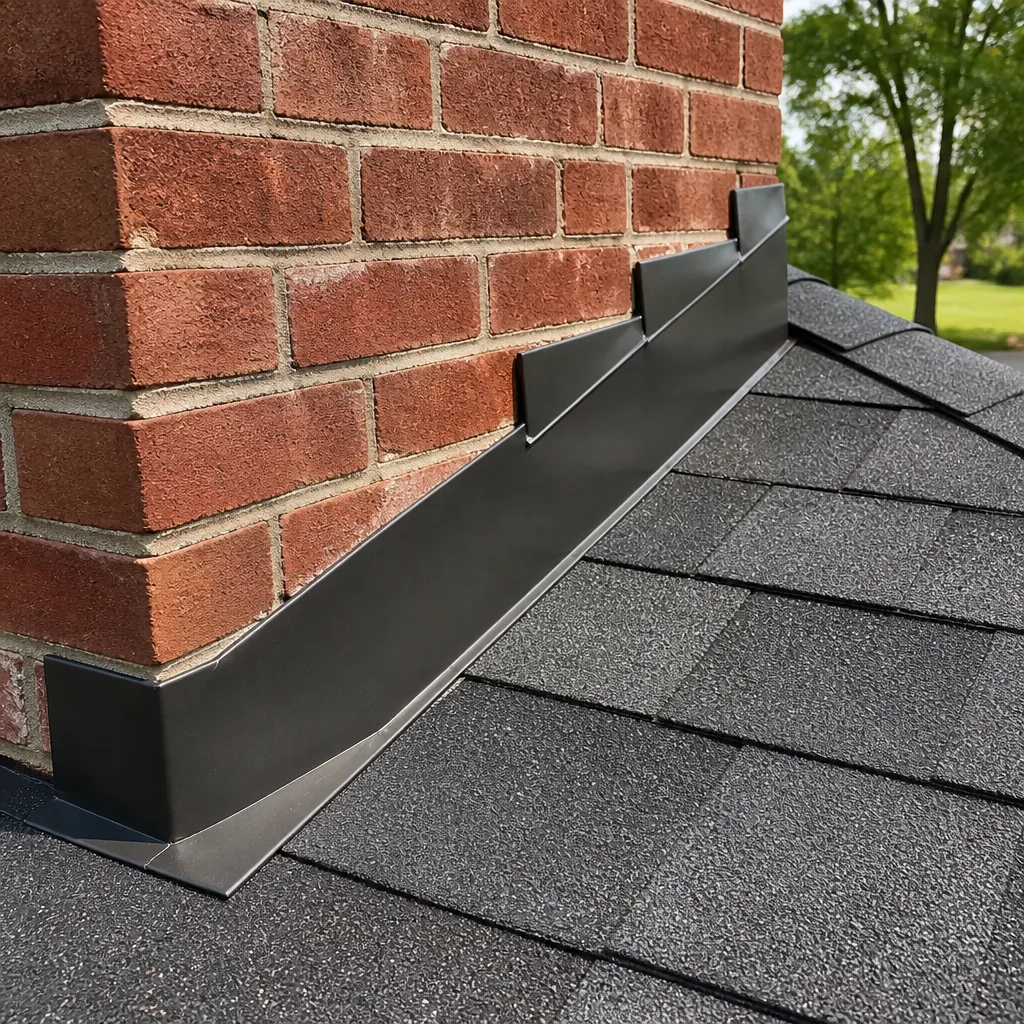
- Flashing. Chimney flashing, skylight surrounds, and step flashing at walls are where wind-driven rain enters in our wet winters. Check them from the attic side where you can see them.
- Ceiling and wall stains. A fresh interior stain after a storm is the fastest way to find an active leak before it spreads.
If you do see ice at the eave during a cold snap, don’t chip it off with a tool. You’ll damage the shingles and gutters. Note where it’s forming and address the attic heat and ventilation issue after the weather clears.
Spring Post-Storm Inspection Checklist
Spring in Tacoma brings wind, and the damage signature of a South Sound wind event looks very different from hail damage. Hail is uncommon here, so when a roof shows impact marks on this side of the mountains, it’s more often a fallen branch, blown debris, or a lifted shingle torn back by a gust than a hail strike. Knowing which signature you’re looking at tells you what to check and what to leave alone.
Wind damage signatures to look for after a spring blow:
- Lifted or creased shingles. Wind gets under a tab, folds it back, and creases it. A creased tab is broken even if it’s lying flat again, and it’s the start of a leak path.
- Missing or shifted ridge caps. Ridge shingles catch the most wind. A run of missing caps shows as a line of exposed ridge board or underlayment.
- Granule loss in a pattern. Wind-driven rain and grit can strip granules in streaks. Patterned granule loss along a roof edge or valley is a sign to look closer.
- Lifted flashing. Wind can pull the metal at the chimney, sidewalls, and valleys. A lifted flashing tab is a leak waiting for the next rain.
- Debris on the roof. Branches, fir cones, and blown yard debris should come off the roof surface, and the roof edge and valleys should be cleared so they drain.
Spring is the right time to check these from the ground with binoculars and from the attic with a light, not by walking the roof yourself. Steep-roof walking is a genuine safety risk, and the consequences of a fall are much worse than the cost of an inspection. If your home has any multi-story or steep-pitch sections, have the roof inspected by a trained professional rather than climbing up. Our technicians have up to 8 years of experience and know which damage signatures are cosmetic and which mean a repair.
When Seasonal Care Is Enough and When It’s Time to Plan a Replacement
Seasonal care extends the life of a healthy roof. It doesn’t rescue a roof that’s already at the end of its service life, and knowing the difference saves you from pouring money into maintenance on something that needs to be planned for. A good rule: maintenance is the right call when the deck and underlayment are sound, the damage is localized, and the shingle surface still holds granules. It’s time to plan a roof replacement when the problems are widespread rather than isolated.
Signs that point toward replacement rather than repair:
- Shingles are curling, cracking, or losing granules across large sections, not just a few tabs.
- You’re patching the same area every year, or the leaks have moved.
- The attic shows widespread staining or damp sheathing, not a single leak point.
- Flashings and valleys have reached the end of their life at the same time as the shingles.
- The roof is being layered over for a second time instead of torn off, and you want to know the real condition underneath.
When that point arrives, the year map still applies: book the work for the dry window so tear-off, decking repair, and installation happen on dry materials. A full tear-off and re-roof in late summer gives the new roof its best start before the wet season. And if you’re specifying a replacement, this is where having real brand options pays off. Rather than being pushed toward whatever a contractor stocks, you can compare shingle grades and warranty terms across manufacturers like GAF, CertainTeed, Owens Corning, and IKO before committing. Your warranty comes from the manufacturer, backed by the installation, so the exact product line matters.
Choosing Materials That Suit Tacoma’s Climate
Tacoma’s wet winters and moss pressure make some materials easier to live with than others, and the right choice depends on the roof’s pitch, the tree canopy over it, and how long you intend to stay. There’s no single best material, which is why we recommend based on the structure and your goals rather than a brand. We carry seven brands across three material categories, so you can compare shingle, tile, and metal side by side before deciding.
Asphalt shingle
The most common roof in Tacoma, and for good reason: it’s cost-effective, easy to repair, and available in a wide range of grades. Moss resistance varies by product, and some lines from GAF and CertainTeed are formulated to resist algae and moss staining better than others. If your roof sits under heavy tree cover, an algae-resistant shingle line plus a regular late-summer treatment is a sensible pairing. For a deeper look at the options, see our shingle roofing page.
Tile
Tile handles wet climates well and lasts a long time, but it’s heavier and puts more structural demand on the framing. Boral tile profiles are one option worth comparing if you’re drawn to the look. Tile also handles moss differently: the surface is harder and slicker, and moss tends to colonize the grout lines and under the tile edges rather than the face. That affects how treatment is applied.
Metal
Metal roofing handles our wet season cleanly, sheds moss and debris easily, and is a strong fit for homeowners planning to stay in the home long term. Panel systems vary widely in profile and finish, and the details (fasteners, flashing, and panel transitions) matter more than the metal itself. We install metal panels from several brands so the panel system can be matched to the roof’s geometry.
Whichever material you choose, the full-lifecycle picture matters. That includes replacement on an existing home as well as new roof installation on a new build, where the deck-up scope is different from a tear-off. One contractor handling shingle, tile, and metal means one contract and one warranty conversation regardless of which way you go. More brands, more options, one contractor.
Common Mistakes to Avoid
- Treating moss in the fall. Fall application on a damp roof fails to cure or washes off before it works, which is the single most common seasonal mistake we see in Tacoma. Wait for the dry window or expect to pay twice.
- Pressure-washing a shingle roof. It strips granules and can void the manufacturer’s warranty on GAF, CertainTeed, and Owens Corning products. Treatment and gentle removal protect the surface; a pressure washer doesn’t.
- One fall gutter cleaning instead of two. The pre-drop clean misses the fir needle load that arrives with the late maple leaf fall. A plugged downspout elbow turns the whole run into a pond.
- Chipping ice off the eave during a cold snap. You’ll damage shingles and gutters. Address attic heat and ventilation after the weather clears instead.
- Mistaking wind damage for hail damage. Hail is uncommon here, so most impact marks on a Tacoma roof are from blown debris and branches. Check for lifted and creased shingles, not strike patterns.
- Walking a steep or multi-story roof to inspect it yourself. Steep-roof work is a genuine safety risk. Ground and attic inspection plus a professional look is the safer, more accurate approach.
- Patching a roof that’s past its service life. Repeated patching of the same area, widespread granule loss, and moving leaks are signs that the maintenance budget is better spent on a planned replacement.
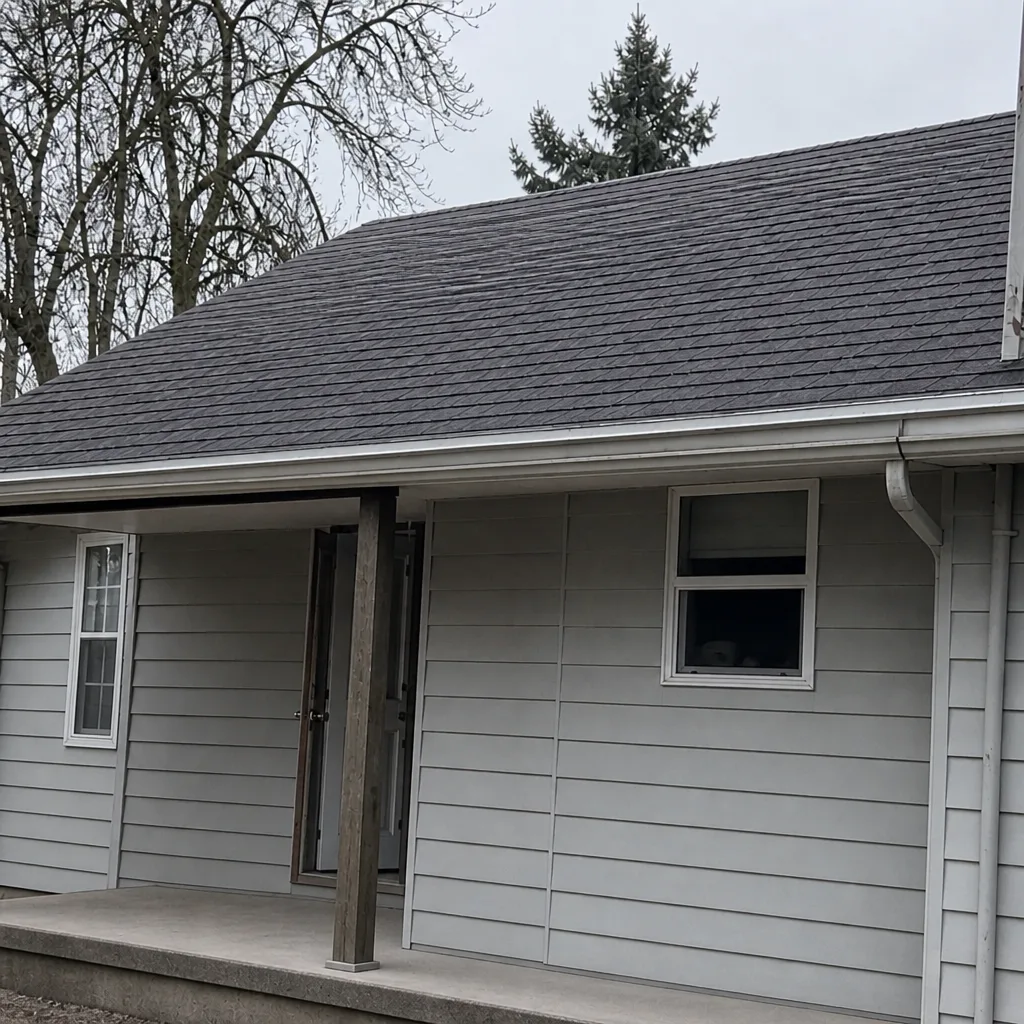
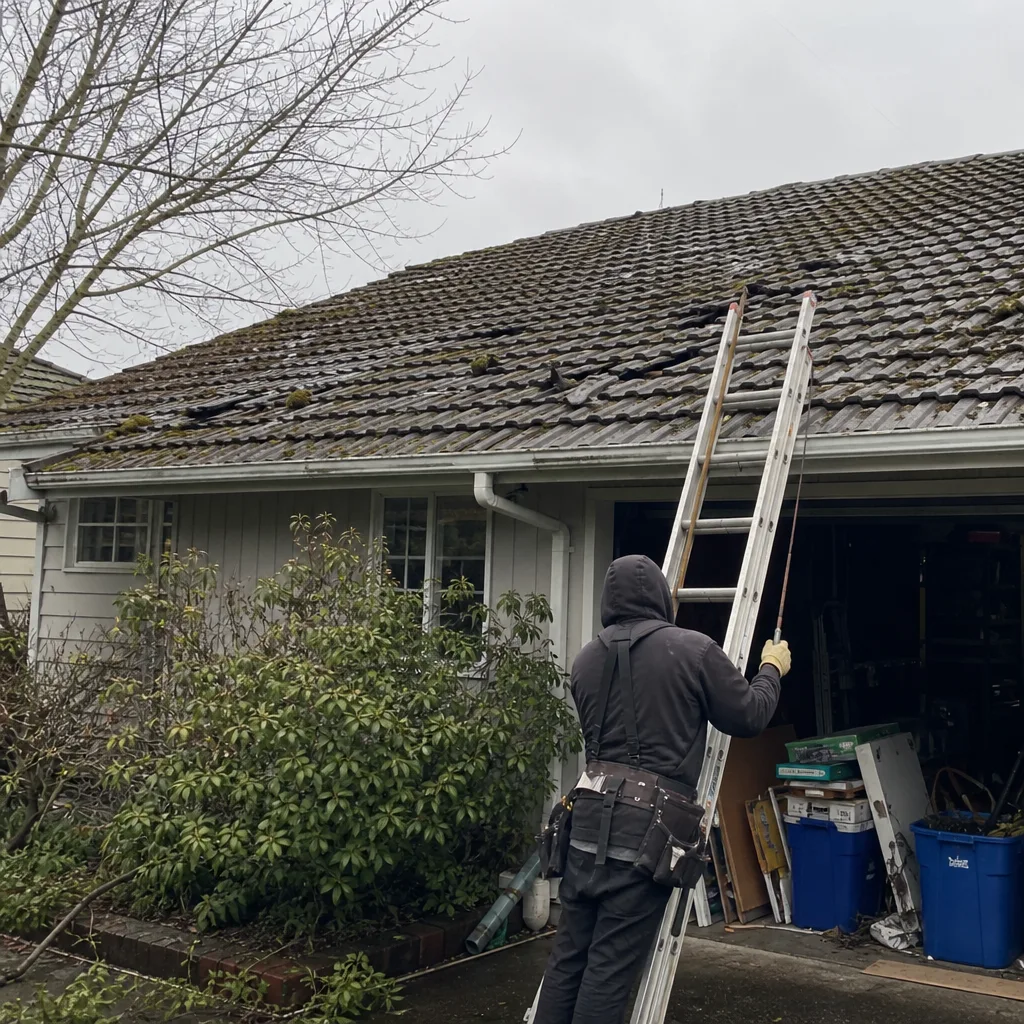
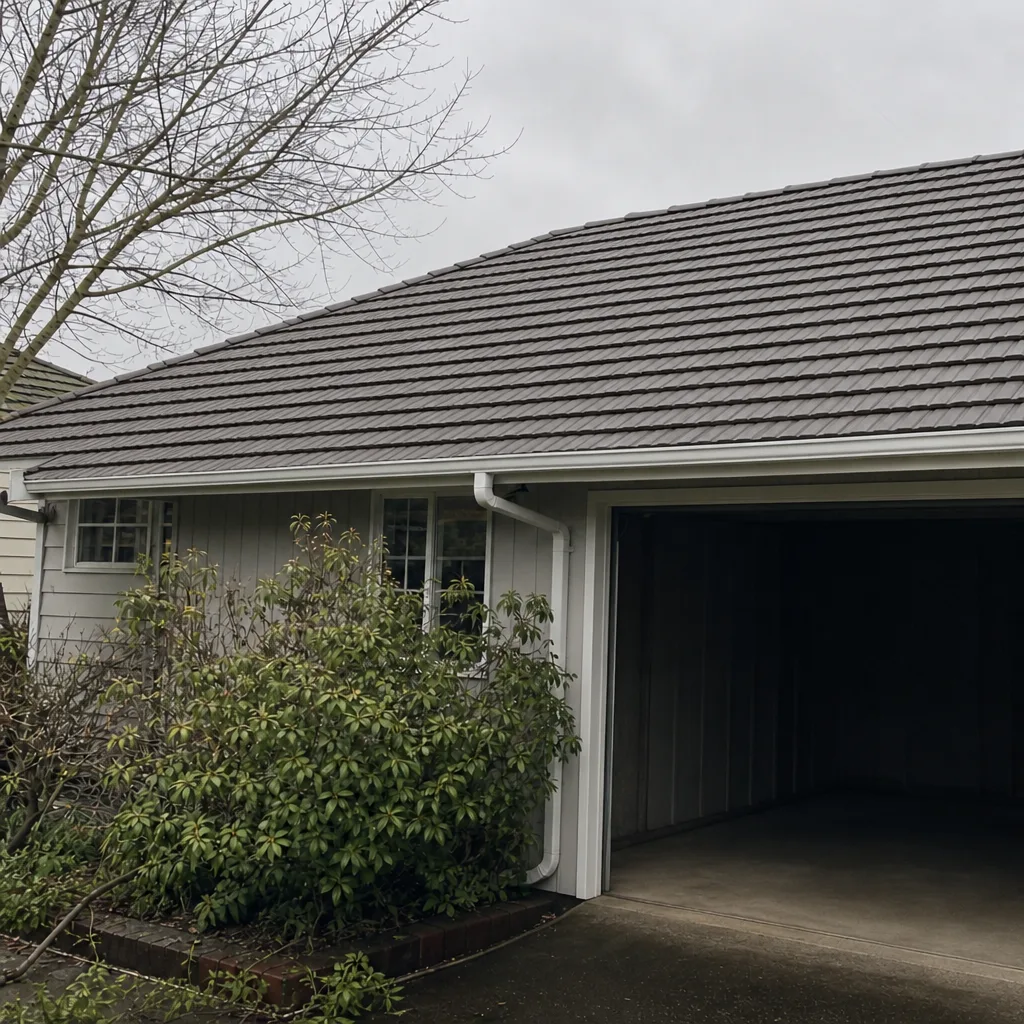
See the difference
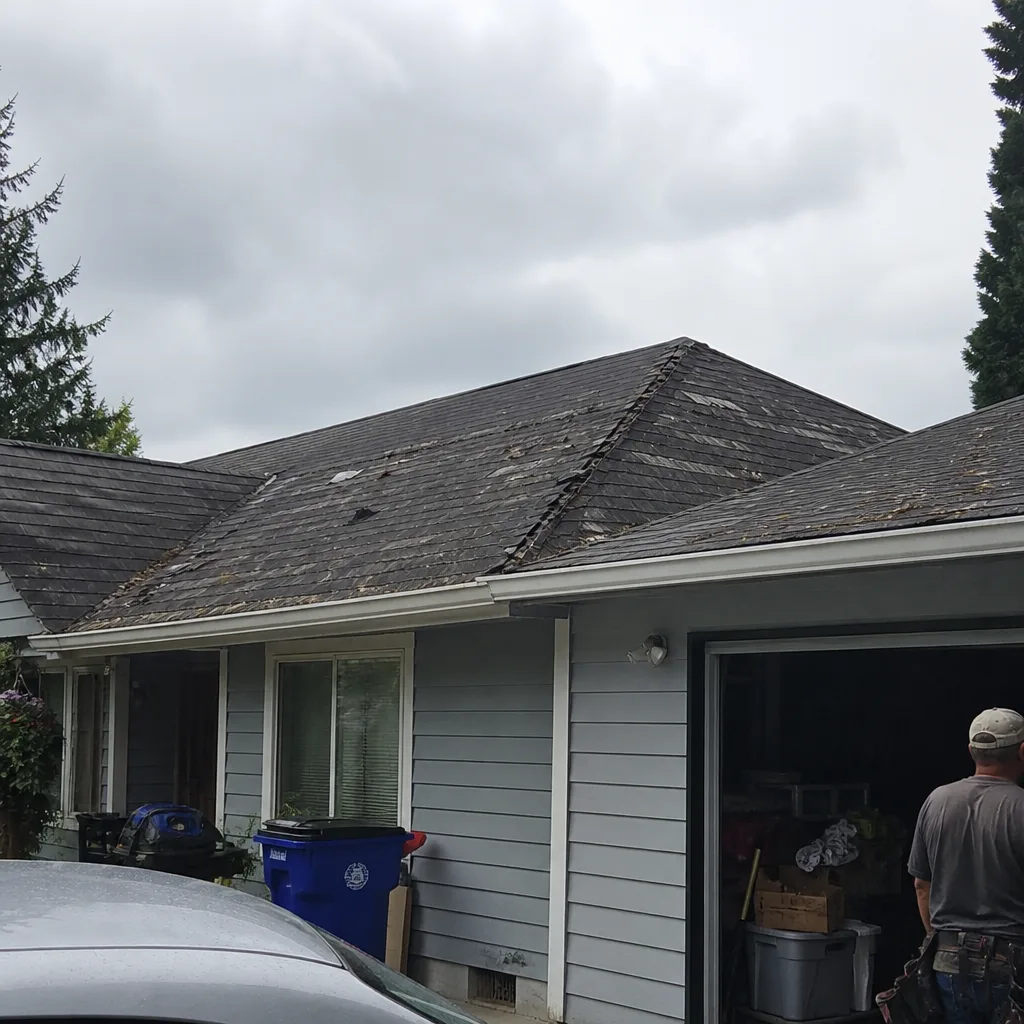 Before
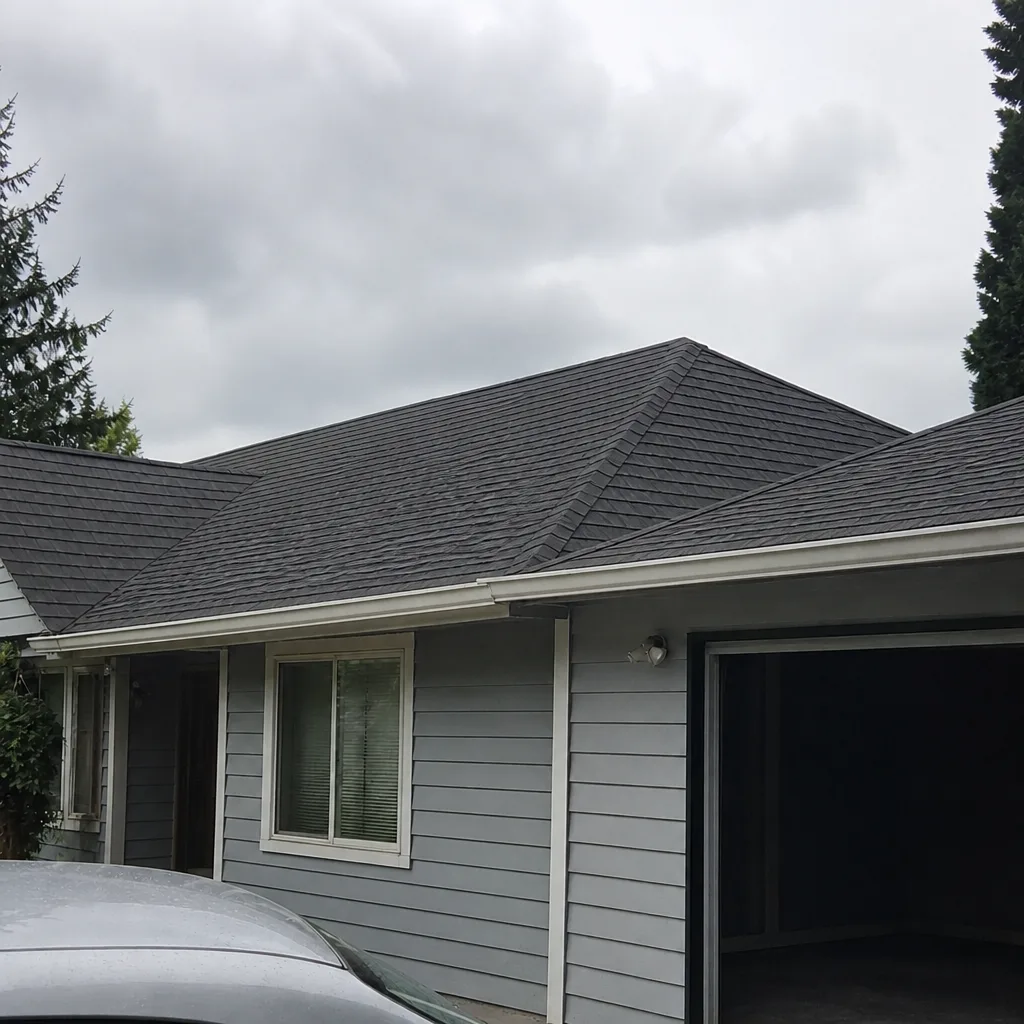 After
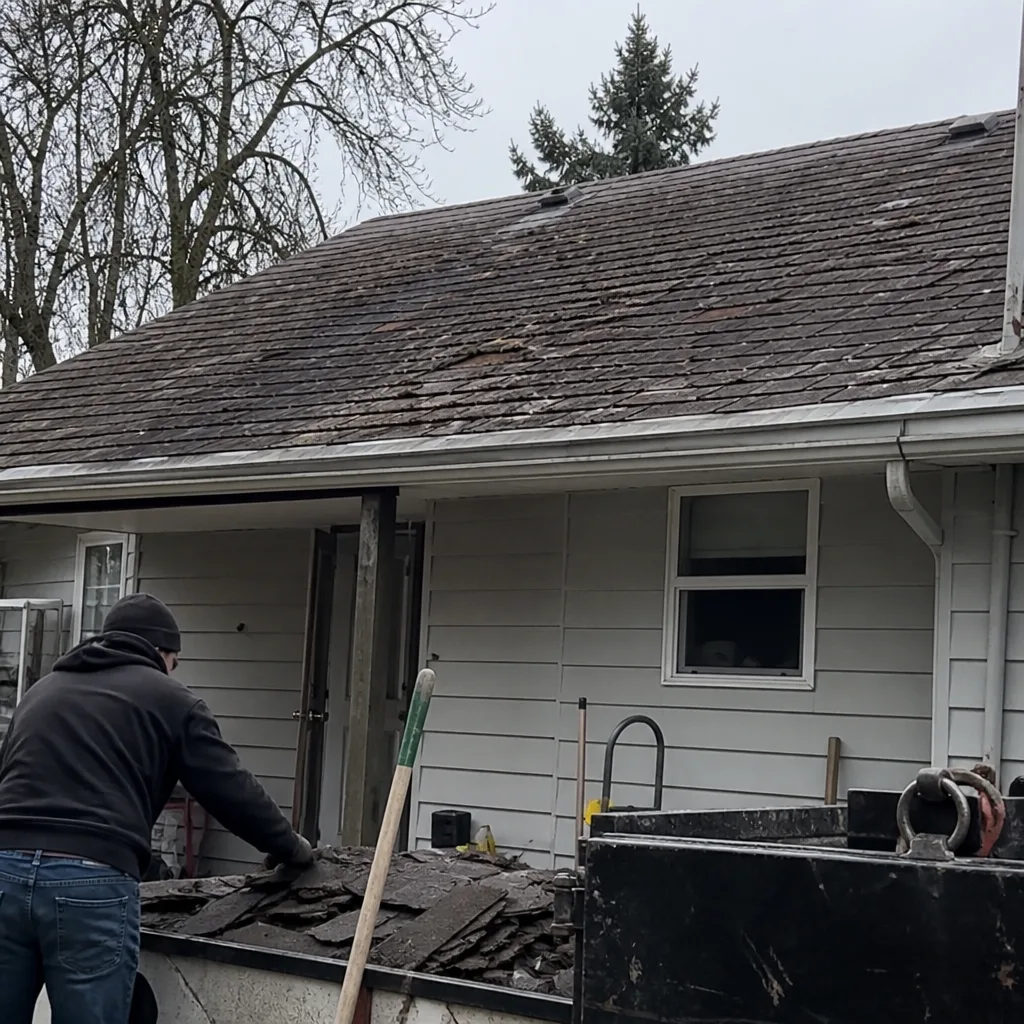 Before
 After
 Before
 After
When to Call a Professional
Call a roofing professional when the issue is above the reach of a safe ground inspection, when a leak has shown up on a ceiling or wall, when flashing around a chimney or skylight is suspect, or when the year map says it’s time for the late-summer treatment and inspection and you haven’t booked it. Also call if you’re unsure whether the damage you’re seeing is cosmetic or structural; a phone conversation and a free estimate will answer that faster than a ladder. For steep or multi-story roofs, don’t climb to check it yourself. Tacoma Roofing Co offers free estimates in Tacoma. Call (253) 295-5163. We answer 24/7. Fast dispatch from 7am to 7pm, Sunday through Friday. The estimate sets the scope and the price in writing, and the local pro is licensed and insured as the state requires.
Frequently Asked Questions
Late summer, roughly August into September, when the roof is dry enough for the treatment to cure and before the fall rains return. Moss treatment applied to a damp roof in fall either washes off or fails to cure, so the summer window is the one that works. Call (253) 295-5163 to schedule a treatment and inspection before the window closes.
Twice in the fall is the practical answer if you have mature maples and firs over the roof: once in late September or early October before the bulk of the leaf fall, and again in late November after the maples finish shedding. That second pass catches the fir needle load that the first clean misses. Call (253) 295-5163 for a gutter and downspout assessment.
Less than homeowners in colder climates, but not never. Ice damming needs snow on the roof, warm air leaking into the attic, and a cold enough eave to refreeze the meltwater, and our winters often don’t supply all three at once. During a cold, snowy stretch, the risk is real, so check the attic for warm-air leaks and make sure soffit vents aren’t blocked. Call (253) 295-5163 if you see ice at the eave or damp sheathing.
Lifted or creased shingles, missing ridge caps, lifted flashing at the chimney and sidewalls, patterned granule loss, and debris on the surface. Hail is uncommon here, so most impact marks are from blown branches and debris rather than hail strikes. Check from the ground and the attic, and call (253) 295-5163 for a free estimate if anything looks suspicious.
Maintenance and repair are the right call when the damage is localized and the shingle surface still holds granules. Widespread curling, recurring leaks in the same area, or moving leaks point toward replacement. Talk it through with an estimator rather than guessing; a free estimate will tell you which side of that line your roof is on. Call (253) 295-5163.
All three main categories work here, and the right one depends on your roof’s pitch, tree cover, and how long you plan to stay. Asphalt shingle is the most common and easiest to repair, tile handles wet weather well but needs a structure that can carry the weight, and metal sheds moss and debris cleanly for long-term owners. We carry seven brands across shingle, tile, and metal so you can compare the trade-offs directly. Call (253) 295-5163 to talk through options.
The Bottom Line
Tacoma’s roof care calendar is built around one window. Late summer, roughly August into September, is when the roof is dry and treatments and repairs actually work; miss it and you spend the wet season watching problems that could have been stopped. The rest of the year sets up that window or catches what it couldn’t prevent: two fall gutter cleans, a winter attic and flashing inspection, and a spring check for wind damage. Book the summer work early, choose materials that suit your roof and your plans, and get a written estimate before committing. Tacoma Roofing Co installs shingle, tile, and metal across seven brands, and estimates are free.
If your roof needs a look before the season turns, call (253) 295-5163 for a free estimate. We answer 24/7. Fast dispatch from 7am to 7pm, Sunday through Friday.
Written by the team at Tacoma Roofing Co.