Last updated November 25, 2026
Free roof inspection with deck photos before we talk money - GAF and Owens Corning certified installation
DIY vs Professional Roofing: The Tacoma Homeowner’s Decision Guide
Washington State doesn’t require a license for a homeowner to reroof their own primary residence. That single fact convinces a lot of Tacoma homeowners to rent a dumpster and start tearing off shingles on a spring morning. Here’s the part most of them don’t hear until the materials are already on the driveway: the manufacturer warranty on those shingles almost certainly requires installation by a certified contractor, which means the DIY install voids coverage from day one. This guide draws the actual line between the projects where doing it yourself is a defensible choice and the ones where the legal, warranty, and structural math clearly favors hiring a professional.
Quick Answer
For a simple low-slope shed or a small detached garage, a careful Tacoma homeowner can often do the work themselves without much risk. For a full re-roof on a primary residence, especially on the steep pitches common in older Tacoma neighborhoods, professional installation is the better bet: it preserves manufacturer warranty coverage that DIY typically voids, keeps the permit and inspection record clean, and protects you from structural surprises that only show up after tear-off. The line isn’t about skill; it’s about liability, warranty, and what’s hiding under the decking.
Styles & brands we work with
- Architectural shingles
- Metal roofing
- Tile roofing
- GAF
- Owens Corning
- Flat & low-slope
Table of Contents
- What Washington State rules actually say about DIY roofing
- How manufacturer warranties treat DIY installation
- Which Tacoma projects suit DIY and which don’t
- The real cost comparison: DIY vs a professional bid
- Tacoma-specific risk factors that change the math
- Permits, inspections and the paper trail
- Common mistakes to avoid
- Frequently asked questions
What Washington State rules actually say about DIY roofing
Washington State lets a homeowner pull their own permit for work on their primary residence without holding a contractor license. That exemption is real, and it’s the legal foundation most DIY roofing decisions rest on. What it does not do is cover every scenario a homeowner might assume it covers.
Here’s what the homeowner exemption generally includes, and what it leaves out:
- It covers: work you personally perform on a home you own and live in, under a permit taken out in your own name.
- It does not cover: work on a rental property, a flip, a property held in an LLC or trust, or a second home. Those are treated as contractor work and require a licensed professional.
- It does not cover: hiring unlicensed help. If you bring in a friend or day laborer to do the install while you hold the permit, you’ve stepped outside the exemption and into unlicensed-contractor territory.
- It does not cover: injuries to anyone working on the roof. Your homeowner policy may or may not respond to a helper’s fall, and the liability exposure sits with you.
What that means in practice: the exemption is a permit and licensing rule, not a safety or quality rule. It tells you whether you’re allowed to do the work. It says nothing about whether the work will hold up, whether your warranty survives, or whether the structural conditions under the old roof will cooperate. Those are separate questions, and they’re where most Tacoma DIY projects run into trouble.
If you’re weighing the paperwork side against a professional job, our Tacoma Roofing Co team can walk you through how permits and inspections work for a full replacement.
How manufacturer warranties treat DIY installation
This is the part that catches homeowners off guard. Most major shingle manufacturers tie their strongest warranty coverage to installation by a contractor who has been certified or authorized by that manufacturer. Install the same shingles yourself and the material warranty typically drops down to a limited product-only warranty that covers defects in the shingles themselves, not the labor, not the flashing, and not the leak that starts three winters later.
The exact terms vary by brand and by the specific warranty tier, so it’s worth reading the paperwork on whatever product you’re considering before you buy. In general, the pattern looks like this:
- Certified or authorized installation: access to enhanced warranty coverage that includes labor and workmanship for a defined period, plus the standard material coverage.
- Homeowner installation: typically limited to material defect coverage only, with no labor component and stricter conditions on what’s considered a valid claim.
- No permit or no inspection: some manufacturers require documentation of proper permitting as a condition of an enhanced claim.
The practical consequence is that a DIY install shifts a decade or more of leak risk onto your own shoulders. When a nail pops or a valley flashing fails and water gets into the sheathing, the manufacturer warranty won’t pay to open the roof back up and fix it, because the installation wasn’t theirs to stand behind.
Brands like IKO, Atlas, and Tamko all publish warranty terms that reward contractor installation in different ways, and a professional roofer who installs several brands can tell you exactly how each one handles labor coverage so you’re comparing apples to apples. That’s one reason we carry multiple product lines rather than steering every homeowner toward a single shingle.
Which Tacoma projects suit DIY and which don’t
The honest answer is that some Tacoma roofing projects are reasonable DIY candidates and others aren’t, and the dividing line has almost nothing to do with how handy you are. It’s about the size of the roof, the pitch, the number of penetrations, and the consequence of getting it wrong.
Reasonable DIY candidates:
- A detached garage or shed with a low to moderate pitch and a simple gable.
- A small porch or bay roof with minimal flashing complexity.
- Patching a single localized area where the leak source is obvious and the surrounding material is in good shape.
- Replacing a few damaged shingles after a wind event on a low, safe-to-walk roof.
Projects where the risk calculus favors a professional:
- A full tear-off and re-roof on your primary residence, especially at steep pitches.
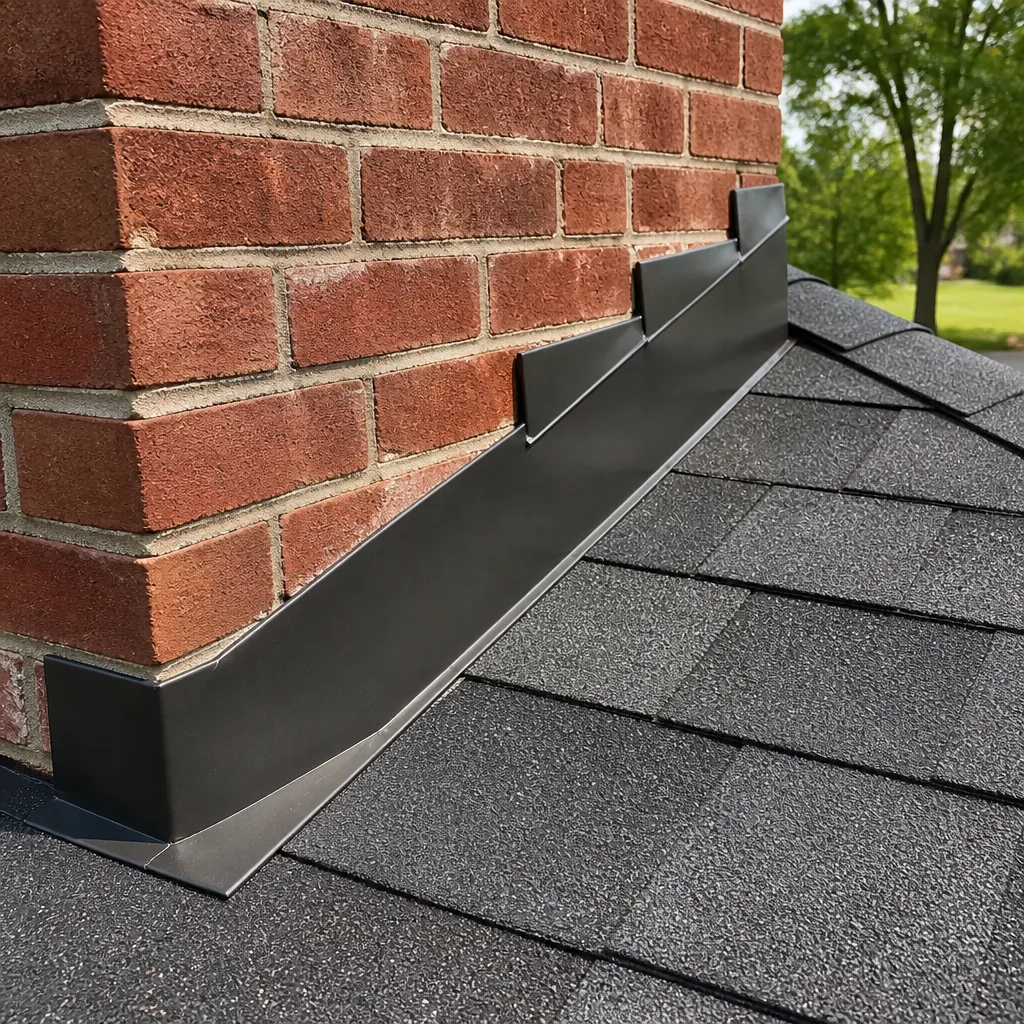
- Any roof with multiple valleys, dormers, skylights, or complex flashing intersections.
- Roofs over conditioned living space where an interior leak does real damage fast.
- Anything that requires you to diagnose hidden structural damage after the old roof comes off.
- Metal and tile installations, both of which demand material-specific methods that don’t tolerate guesswork.
That last point matters more than most homeowners expect. Shingle, tile, and metal all fail in different ways and all require different underlayment, fastening, and flashing details. A homeowner who’s comfortable with asphalt shingles still doesn’t have the knowledge base for a Boral tile system or a standing-seam metal panel. Those are separate trades layered under one roof, which is exactly why we install all three and can explain the trade-offs on each.
The real cost comparison: DIY vs a professional bid
Homeowners usually compare the price of materials at the lumber yard against a contractor’s bid and conclude they’ll save a bundle by doing it themselves. That comparison leaves out most of the actual cost of a DIY re-roof. Here’s what a realistic budget looks like, line by line.
What a DIY re-roof actually costs:
- Materials: shingles, underlayment, flashing, ridge vent, drip edge, nails, and sealant at retail pricing (contractors buy at trade pricing, which you can’t access).
- Tools: a nail gun and compressor, roofing shovel, magnetic sweeper, harness, ladder stabilizer, and safety gear, often rented for multiple weekends.
- Dumpster and disposal: the old shingles have to go somewhere, and disposal fees aren’t free.
- Permit: a homeowner permit carries a fee, and it’s on you to schedule the inspection.
- Time: a full re-roof that a professional crew completes in days can take a homeowner without experience weeks of partial weekends.
- Risk buffer: the unknown under the old roof, plus the cost of fixing anything you get wrong, plus the labor value of the warranty you voided.
What a professional bid covers: materials at trade pricing, tear-off and disposal, underlayment and flashing done to specification, permit and inspection handling, the labor warranty, and the manufacturer warranty that survives because the install was certified.
We won’t pretend professional roofing is cheaper than DIY on the sticker. It usually isn’t. What it is, in most cases, is a fixed price agreed before the work starts, with no change orders once the estimate is signed and no risk of discovering a rotten sheathing panel on day three and paying for it out of a contingency you didn’t budget. That predictability is a large part of what a homeowner is paying for, and it’s why free written estimates matter more than a rough per-square quote over the phone.
If you want to compare a pro bid against your DIY math, our roof replacement page lays out what a full tear-off involves.
Tacoma-specific risk factors that change the math
Tacoma’s climate and housing stock tilt the DIY decision in specific ways that don’t apply everywhere. Three of them come up again and again.
Steep pitches in older neighborhoods. Many of Tacoma’s older homes, especially in areas like North End and Proctor, were built with roof pitches that are genuinely dangerous to walk, let alone work on. Fall protection isn’t optional on these roofs, and a homeowner without harness experience is taking a real personal risk. This is the single biggest reason we see DIY re-roofs stall halfway through, with the lower slope done and the upper slope untouched for a season.
Wet-season scheduling constraints. Tacoma’s rainy months compress the window for roofing into the drier part of the year, and a professional crew plans around that window. A homeowner working weekends can easily lose three or four weeks to rain delays mid-project, which is exactly when an open roof deck gets soaked and the sheathing starts to swell. Water intrusion into an open deck is far more damaging than a slow leak through finished shingles.
Structural unknowns that only appear after tear-off. Older Tacoma homes routinely reveal rotten sheathing, sagging rafters, or deteriorated flashing once the old shingles come off. A professional crew expects this and builds a contingency into the scope; a homeowner discovers it mid-project with the roof open and rain coming. Knowing what to do about structural damage in real time is a different skill from laying shingles.
None of these factors make DIY illegal or impossible. They make it a higher-consequence bet on a Tacoma roof than it would be on a milder-pitched home in a drier climate, and a homeowner deserves to weigh that honestly.
Permits, inspections and the paper trail
Most cities require a permit for a full reroof, so confirm the current requirement with Tacoma’s building department before you buy a single bundle of shingles. Beyond the permit itself, the inspection record has downstream value that DIY homeowners often overlook.
- Pull the permit before the work starts. A permit taken out after the fact can trigger additional scrutiny and fees, and it puts the inspection on a different footing.
- Understand what the inspector checks. Roofing inspections typically verify underlayment, flashing details, fastening, and ventilation. The inspector isn’t there to grade your craftsmanship; they’re confirming the installation meets code.
- Keep the signed-off inspection. A closed permit with a passed inspection is documentation that the roof was installed correctly, which matters if you ever sell the home and a buyer’s inspector asks about the roof.
- Check whether your warranty requires it. Some manufacturer warranty tiers require proof of permitted installation, so the inspection isn’t just a code formality; it can be a warranty condition.
For a professional job, the contractor handles the permit and the inspection as part of the scope. If you want to understand how that paperwork flows through a replacement, our new roof installation page covers it. And if you’re comparing shingle grades before you decide anything, our shingle roofing page explains what distinguishes the tiers.
Common Mistakes to Avoid
- Buying materials before reading the warranty. Homeowners routinely purchase shingles, lay them, then discover the warranty excludes labor on homeowner installs. Read the warranty paperwork first, not after the roof is finished.
- Assuming the homeowner exemption covers a rental or an LLC-held property. It doesn’t. If the property isn’t your primary residence in your own name, the DIY path isn’t available to you.
- Starting a steep-pitch roof without fall protection. Older Tacoma homes often have pitches that are genuinely hazardous, and a harness isn’t optional equipment on those roofs.
- Leaving the deck open through the wet season. A partially finished roof during Tacoma’s rainy months can soak the sheathing and turn a simple re-roof into a structural repair.
- Skipping the permit to save time. An unpermitted roof can complicate a future sale, and it can void the warranty tier that requires proof of permitted installation.
- Treating metal or tile as a DIY extension of shingle work. Metal and tile have their own fastening, underlayment, and flashing methods. Shingle experience doesn’t transfer to them.
- Hiring unlicensed help to speed up the job. Bringing in an unlicensed crew while you hold the permit exposes you to liability and can put you outside the homeowner exemption entirely.
See the difference
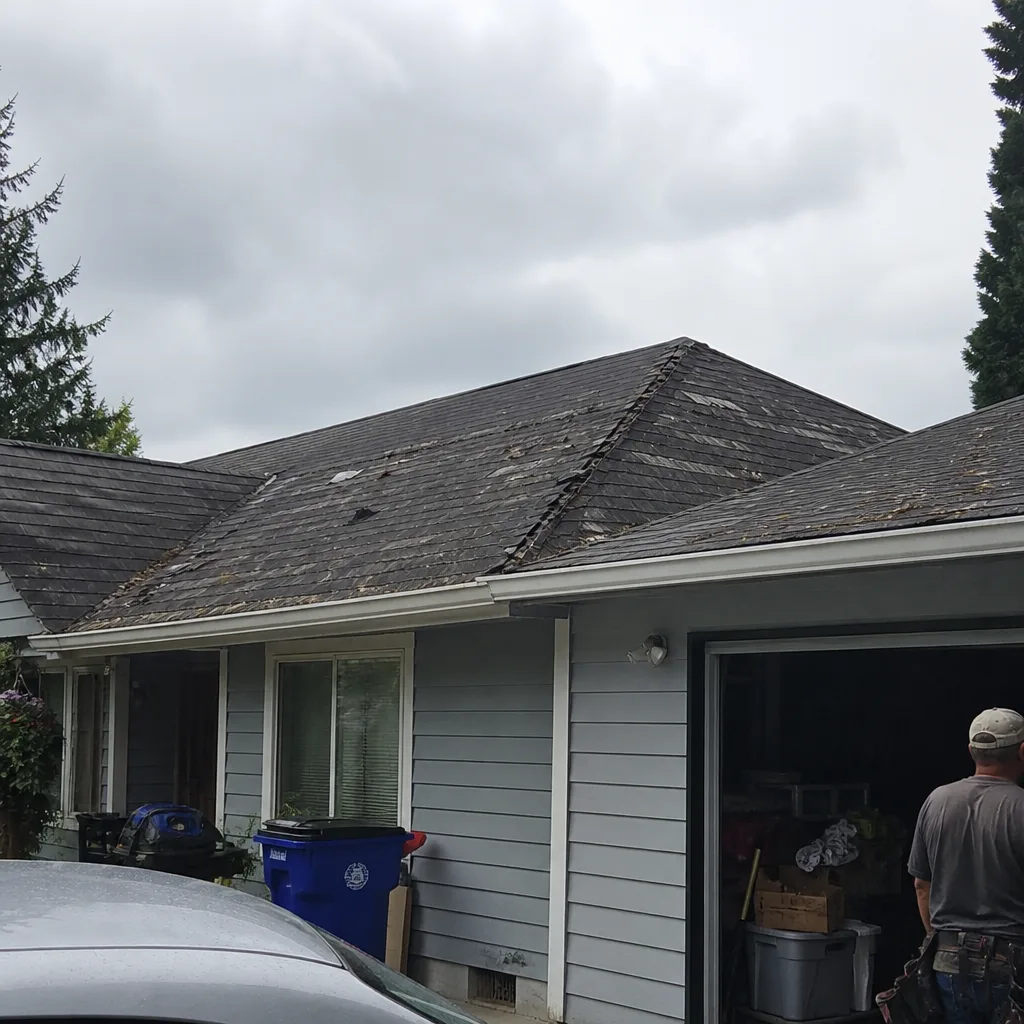 Before
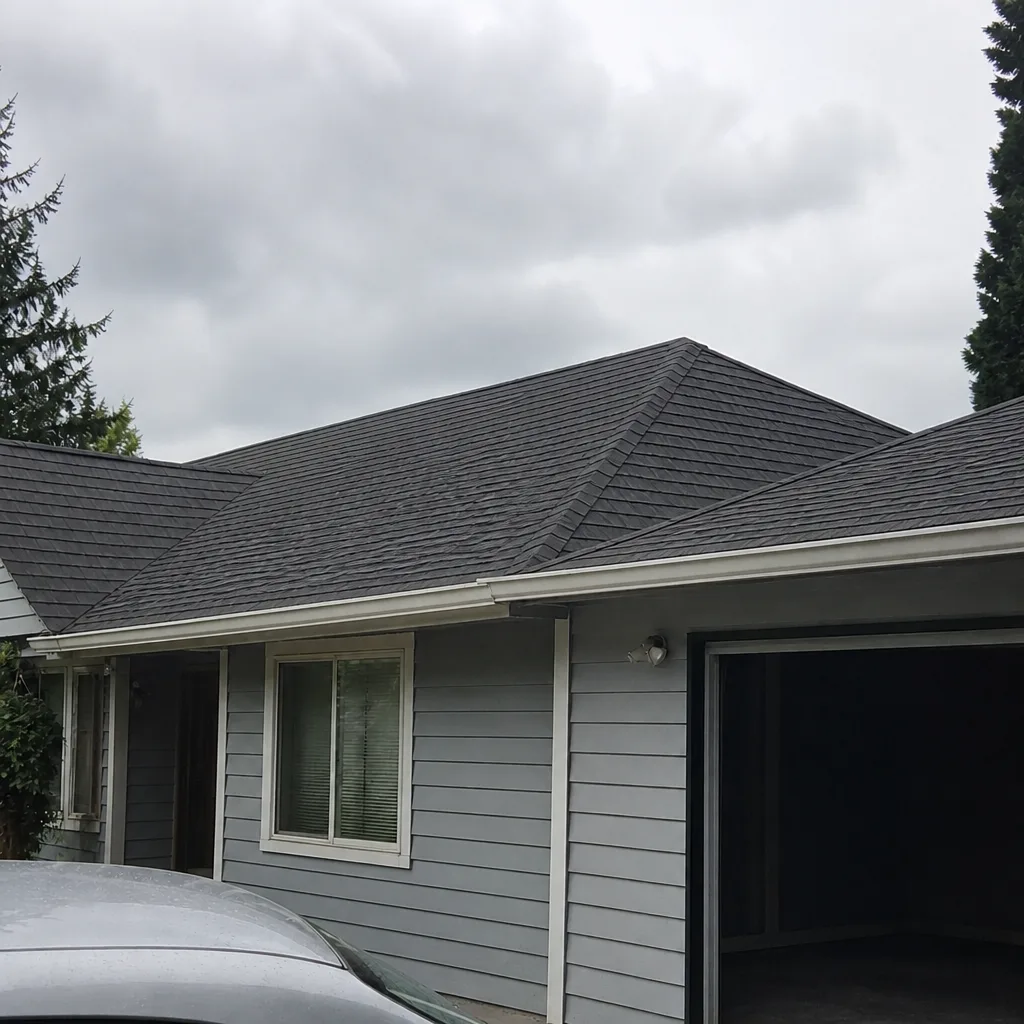 After
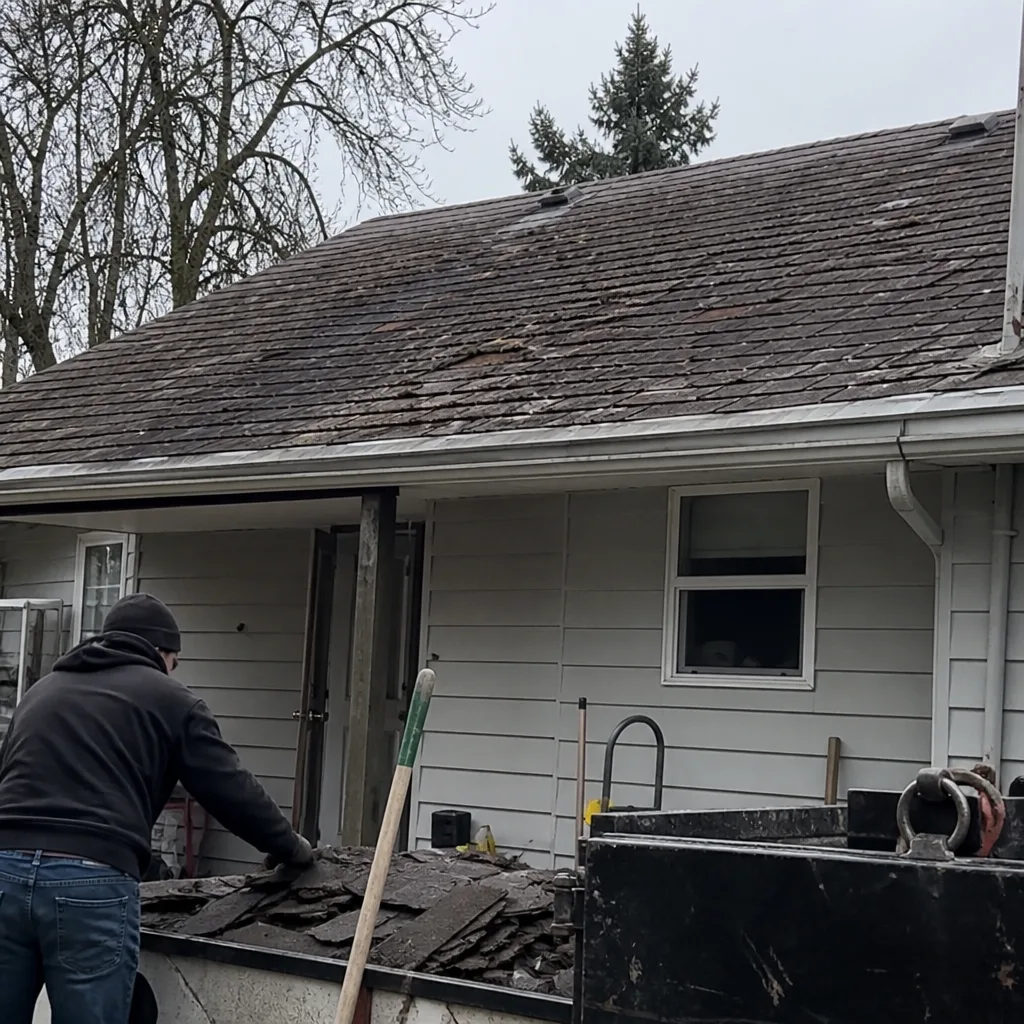 Before
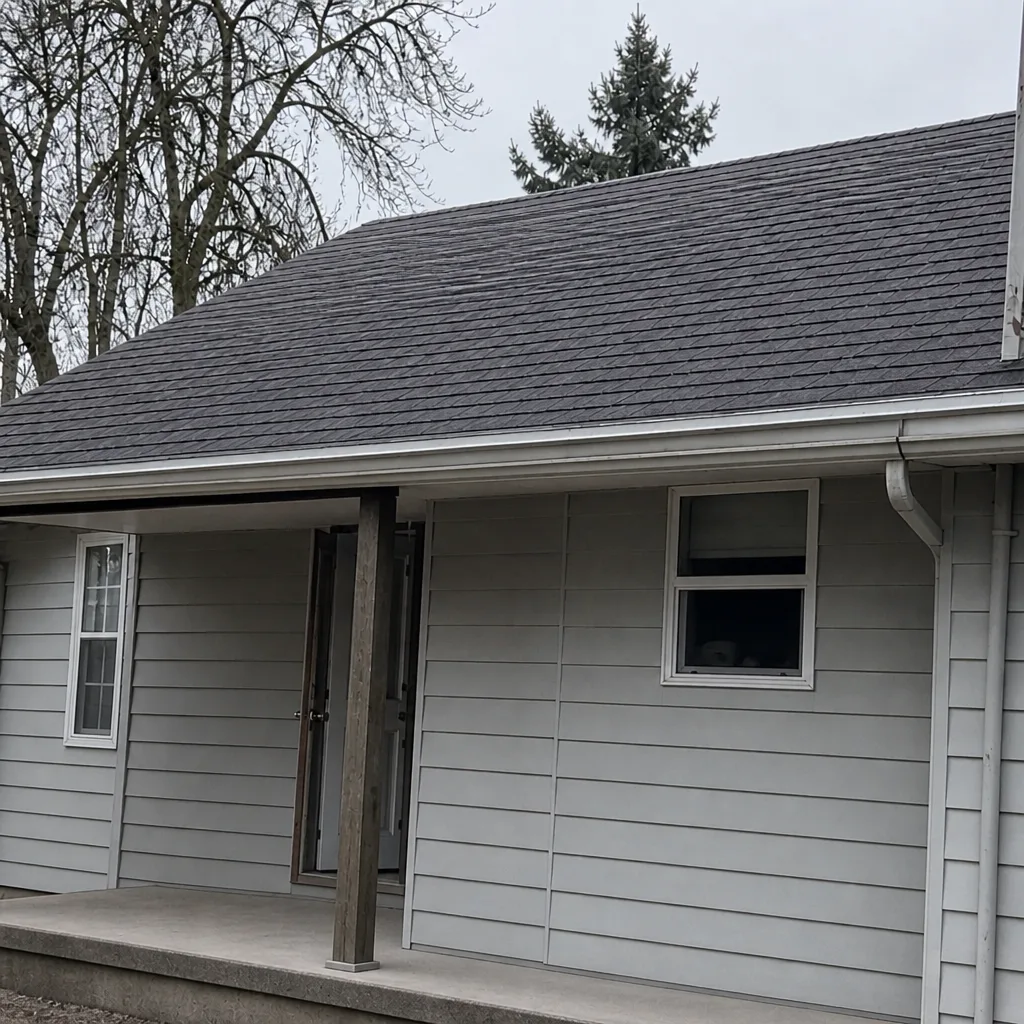 After
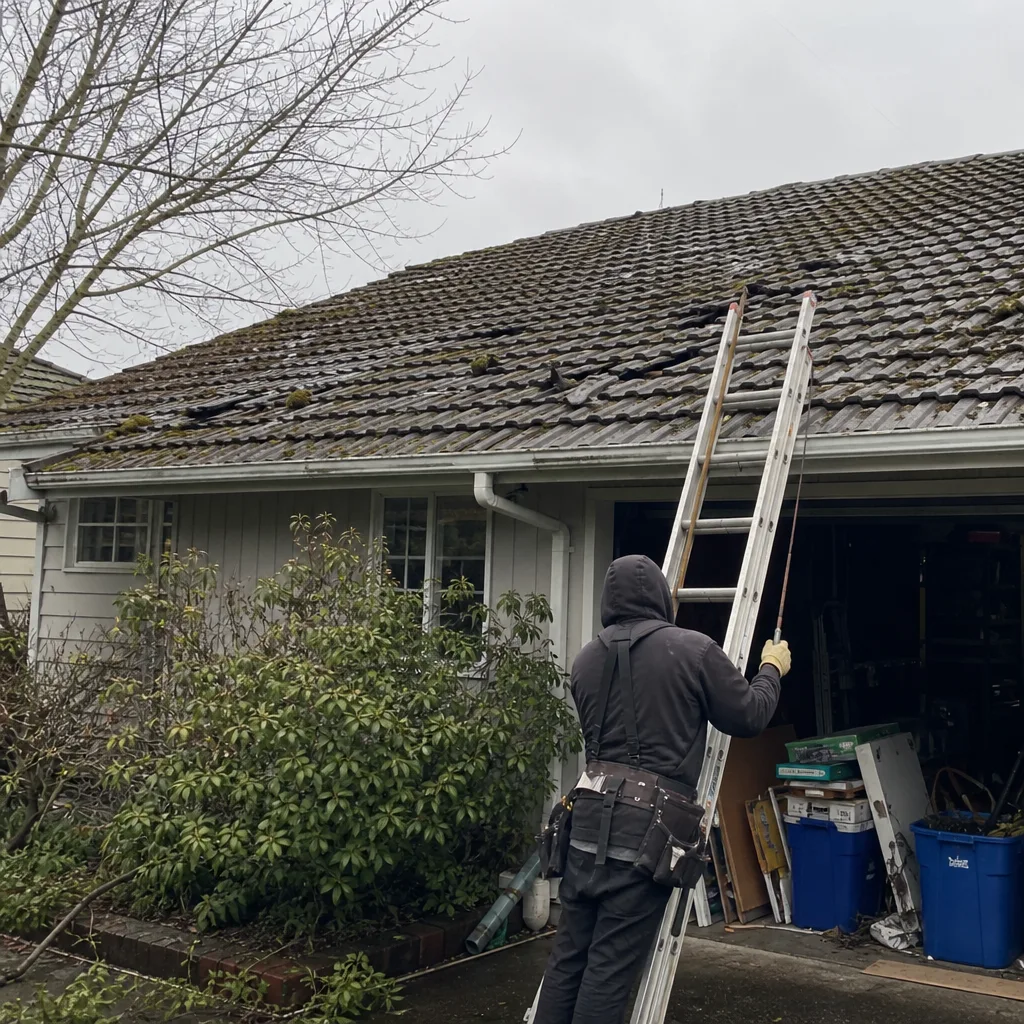 Before
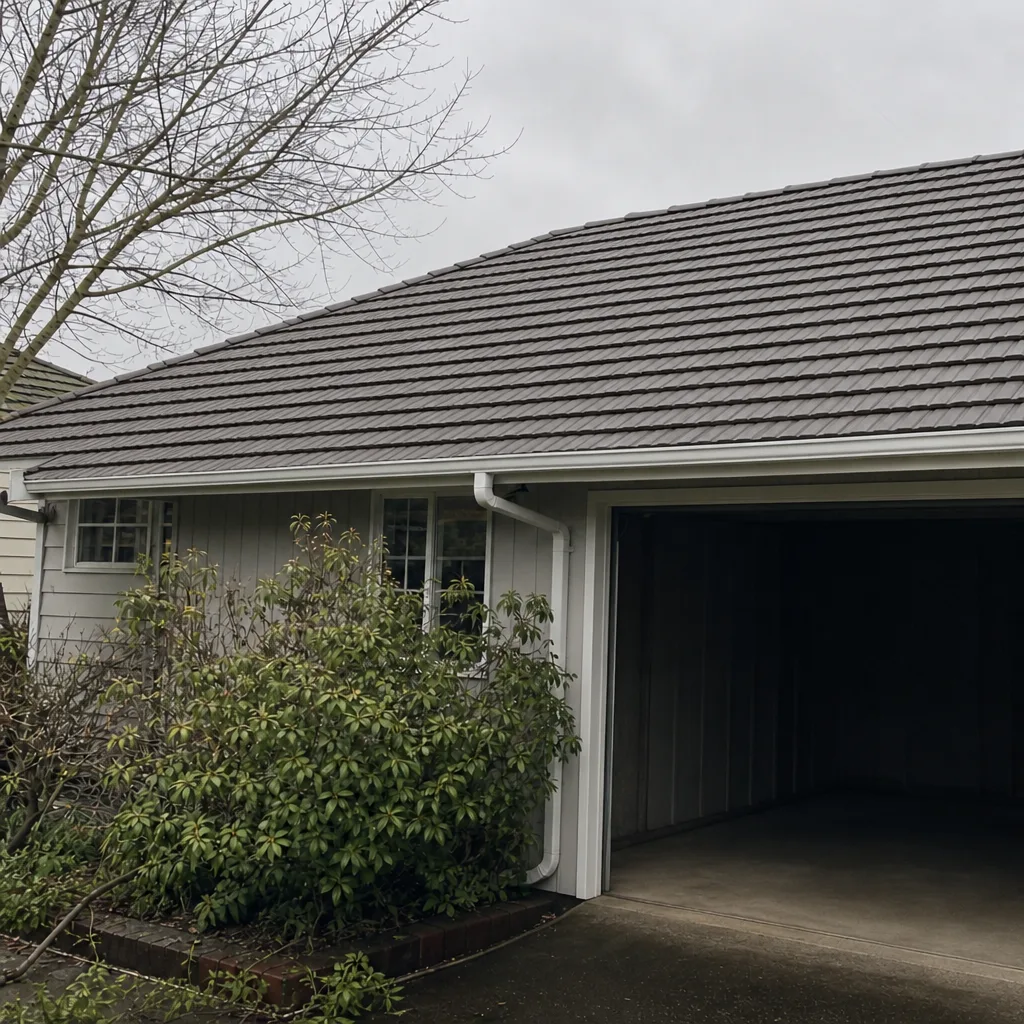 After
When to Call a Professional
Call a professional when the roof is on your primary residence, when the pitch is steep or the roof is complex, when you can’t read the warranty terms and be confident your install qualifies, or when you’re installing metal or tile. Call when you’re unsure what’s under the old shingles, when the wet season is close, or when the property isn’t your primary residence. And call when the honest DIY total cost, including tools, disposal, time, and the voided warranty, lands close enough to a professional bid that the risk stops being worth it. Tacoma Roofing Co offers free estimates in Tacoma. Call (253) 295-5163. We answer 24/7. Fast dispatch from 7am to 7pm, Sunday through Friday.
Frequently Asked Questions
In most cases, yes, provided it’s your primary residence, you live in it, and you pull the permit in your own name. The Washington State homeowner exemption allows you to do the work yourself without a contractor license, but it doesn’t extend to rental properties, flips, or homes held in an LLC or trust. Confirm the current permit requirements with Tacoma’s building department before you start, and call (253) 295-5163 if you’d rather compare a professional bid.
It usually voids the enhanced labor and workmanship portions of the warranty, leaving only limited material defect coverage. Most major manufacturers tie their strongest warranty tiers to certified contractor installation, and homeowner installs typically fall back to a product-only warranty. Read the specific warranty on your chosen shingle before you buy, and call (253) 295-5163 for a free estimate that preserves full warranty coverage.
A professional bid is usually higher than DIY materials alone, but the gap narrows once you add tools, dumpster fees, permit costs, and the value of the labor warranty you give up. The written estimate sets the final price on a professional job, with no change orders once it’s signed. Call (253) 295-5163 for a free written estimate so you can compare line by line.
It’s usually not worth it on a full re-roof over living space, because Tacoma’s wet season compresses the workable window and an open deck can soak fast. DIY makes more sense on a small detached structure or a simple patch. For anything on your primary home, call (253) 295-5163 for a free estimate before you decide.
No, the written estimate sets the final price, and hidden structural damage found after tear-off is scoped and agreed before the crew proceeds. That predictability is a big part of what you’re paying for with a professional install. Call (253) 295-5163 to schedule your free estimate and get the scope in writing.
Yes, permit handling and inspection scheduling are part of the professional scope, and a passed inspection gives you a documented record that the roof was installed to code. That record also protects the manufacturer warranty tier that requires proof of permitted installation. Call (253) 295-5163 to talk through the permit process for your Tacoma roof.
The Bottom Line
The DIY roofing question in Tacoma comes down to three things: whether the property qualifies under the homeowner exemption, whether the warranty you’re giving up is worth more than the labor you’re saving, and whether the roof’s pitch and complexity put you at real personal risk. On a small, simple, detached structure, doing it yourself can be defensible. On a primary residence, especially at the steep pitches common in older Tacoma neighborhoods, the warranty loss and the structural unknowns tip the math toward a professional install. Compare the full cost, not just the materials. Then decide with the whole picture in front of you.
If you’d like that full picture priced out, our team installs shingle, tile, and metal from seven brands so the recommendation fits your home rather than a single inventory line. Call (253) 295-5163 to schedule your free estimate. We answer 24/7. Fast dispatch from 7am to 7pm, Sunday through Friday.
Written by the team at Tacoma Roofing Co.